Umang Sisodia • • 3 min read • 8 views
Why Internships Matter
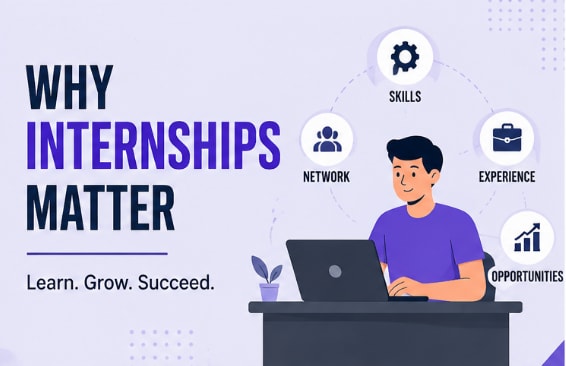
In today's competitive job market, academic knowledge alone is often not enough to secure a successful career. Employers increasingly look for candidates who have practical experience and can apply their skills in real-world situations. This is where internships play a crucial role. Internships provide students and fresh graduates with valuable opportunities to gain hands-on experience, develop professional skills, and prepare for future careers.
Bridging the Gap Between Theory and Practice
College courses teach important concepts and theories, but internships allow students to see how those concepts are applied in actual workplaces. Whether it is software development, marketing, finance, or engineering, interns gain practical exposure that helps them understand industry standards and workflows.
Developing Professional Skills
Internships help students build essential workplace skills such as communication, teamwork, problem-solving, and time management. These skills are difficult to develop fully in a classroom environment but are highly valued by employers.
Building a Strong Resume
Work experience is one of the most important factors employers consider during recruitment. Completing an internship demonstrates initiative, commitment, and a willingness to learn. It also helps candidates stand out from others who may have similar academic qualifications.
Exploring Career Paths
Many students are unsure about which career path they want to pursue. Internships provide an opportunity to experience different roles and industries before committing to a full-time career. This helps students make informed decisions about their professional future.
Expanding Professional Networks
Internships allow students to connect with experienced professionals, mentors, and colleagues. These connections can provide valuable career guidance, references, and future job opportunities. A strong professional network can significantly impact long-term career growth.
Increasing Employment Opportunities
Many companies use internship programs as a way to identify potential full-time employees. Interns who perform well often receive job offers after graduation. Even if an internship does not lead directly to employment, the experience gained can improve a candidate's chances of securing future positions.
Boosting Confidence
Working in a professional environment helps students become more confident in their abilities. By handling real responsibilities and contributing to projects, interns gain a better understanding of their strengths and areas for improvement.
Learning Industry Trends and Tools
Industries constantly evolve with new technologies, methodologies, and best practices. Internships expose students to the latest tools and trends used by professionals, helping them stay current and industry-ready.
Conclusion
Internships are more than just temporary work experiences; they are valuable learning opportunities that help students transition from education to employment. They provide practical experience, develop professional skills, expand networks, and improve career prospects. For students aiming to build successful careers, internships are one of the most effective ways to gain a competitive advantage and prepare for the professional world.

Discussion (0)
Sign in to join the discussion.
No comments yet. Be the first to start the conversation!