Umang Sisodia • • 3 min read • 7 views
Why Mumbai’s Air‑Quality Index Remains Fragmented: The Need for a Unified Architecture
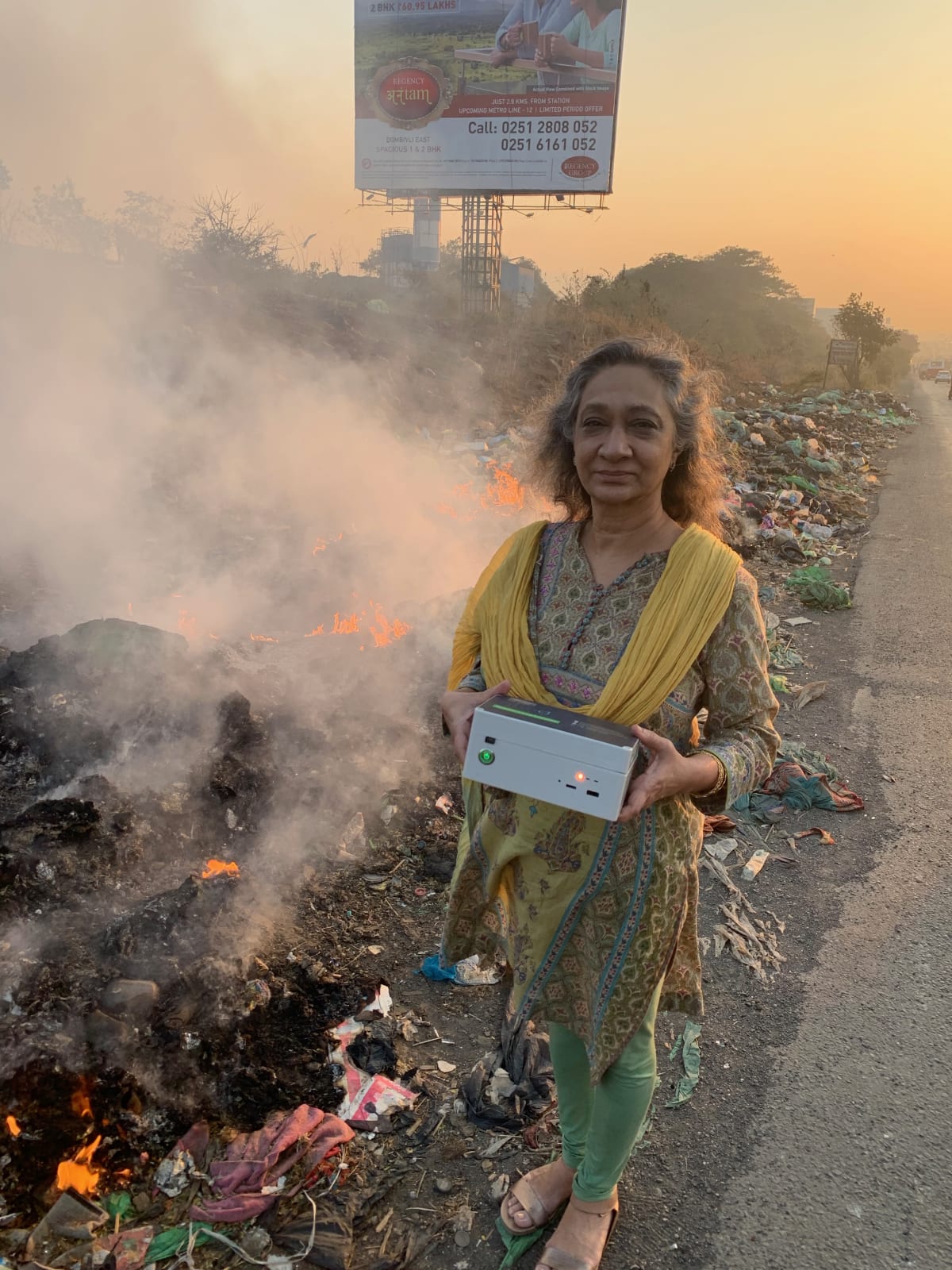
The Promise and the Problem of Mumbai’s AQI
Mumbai, India’s financial capital, is a bustling metropolis of over 20 million people. Its air‑quality index (AQI) is watched closely by commuters, policymakers, and health experts alike. Yet, despite the city’s sophisticated infrastructure in other sectors, its AQI monitoring system suffers from a lack of unified architecture – a patchwork of sensors, data platforms, and reporting mechanisms that hampers timely action.
How the Current System Works
- Multiple data sources – The Maharashtra Pollution Control Board (MPCB), the Brihanmumbai Municipal Corporation (BMC), private firms, and research institutions each operate independent sensor networks.
- Varying standards – Some stations report real‑time PM2.5 and PM10 levels, while others only provide hourly averages for a limited set of pollutants.
- Disparate platforms – Data is published on separate dashboards, mobile apps, and social‑media alerts, often with differing units and colour codes.
These silos mean that a commuter checking the AirNow app may see a different AQI reading than a researcher pulling data from the MPCB portal. The inconsistency erodes public trust and reduces the effectiveness of health advisories.
Why a Unified Architecture Matters
- Real‑time decision‑making – Integrated data streams enable city‑wide alerts for schools, hospitals, and traffic management systems.
- Policy coherence – A single, authoritative AQI platform can guide zoning regulations, construction permits, and emission‑control policies.
- Public empowerment – When citizens receive consistent, easily interpretable information, they can adjust daily routines—such as opting for public transport or wearing masks—more confidently.
Global Benchmarks
Cities like Beijing and Los Angeles have moved from fragmented monitoring to a centralised, cloud‑based architecture. They combine government‑run stations with low‑cost IoT sensors, standardise data formats (e.g., OpenAQ), and expose APIs for developers to build citizen‑focused applications.
Roadmap for Mumbai
| Phase | Action | Expected Outcome |
|---|---|---|
| 1. Data Consolidation | Create a city‑level data lake aggregating all sensor feeds. | Eliminate duplicate reporting and fill spatial gaps. |
| 2. Standardisation | Adopt a common AQI calculation method (e.g., CPCB guidelines) and uniform colour coding. | Ensure every dashboard shows the same number for the same location. |
| 3. Open API Launch | Publish an open API for developers, NGOs, and media. | Foster innovation—apps, visualisations, and predictive models. |
| 4. Community Sensors | Incentivise private citizens and schools to install low‑cost sensors, feeding into the central system. | Increase coverage, especially in underserved suburbs. |
| 5. Real‑time Alerts | Integrate AQI data with traffic control, school notifications, and health advisories. | Reduce exposure during peak pollution episodes. |
Challenges to Anticipate
- Data privacy – Sensor locations must be anonymised to protect residential privacy.
- Funding – While the initial setup is capital‑intensive, public‑private partnerships can offset costs.
- Inter‑agency coordination – Clear governance structures are essential to avoid jurisdictional disputes.
Takeaways
Mumbai’s air‑quality challenges are not just about emissions; they are also about information architecture. By unifying its AQI ecosystem—standardising data, centralising platforms, and opening access—Mumbai can transform raw numbers into actionable insights, safeguarding public health and reinforcing its reputation as a forward‑looking megacity.
For readers interested in the technical side, the open‑source platform OpenAQ offers a ready‑made framework that can be customised for Mumbai’s unique topography and traffic patterns.
Original Reporting & Source: ABP Live Blog

Discussion (0)
Sign in to join the discussion.
No comments yet. Be the first to start the conversation!