Umang Sisodia • • 3 min read • 12 views

Invisible Farm Workers Power India's Economy as AI Turns a Blind Eye
Invisible Farm Workers Power India's Economy as AI Turns a Blind Eye

The Unseen Backbone of India's Growth

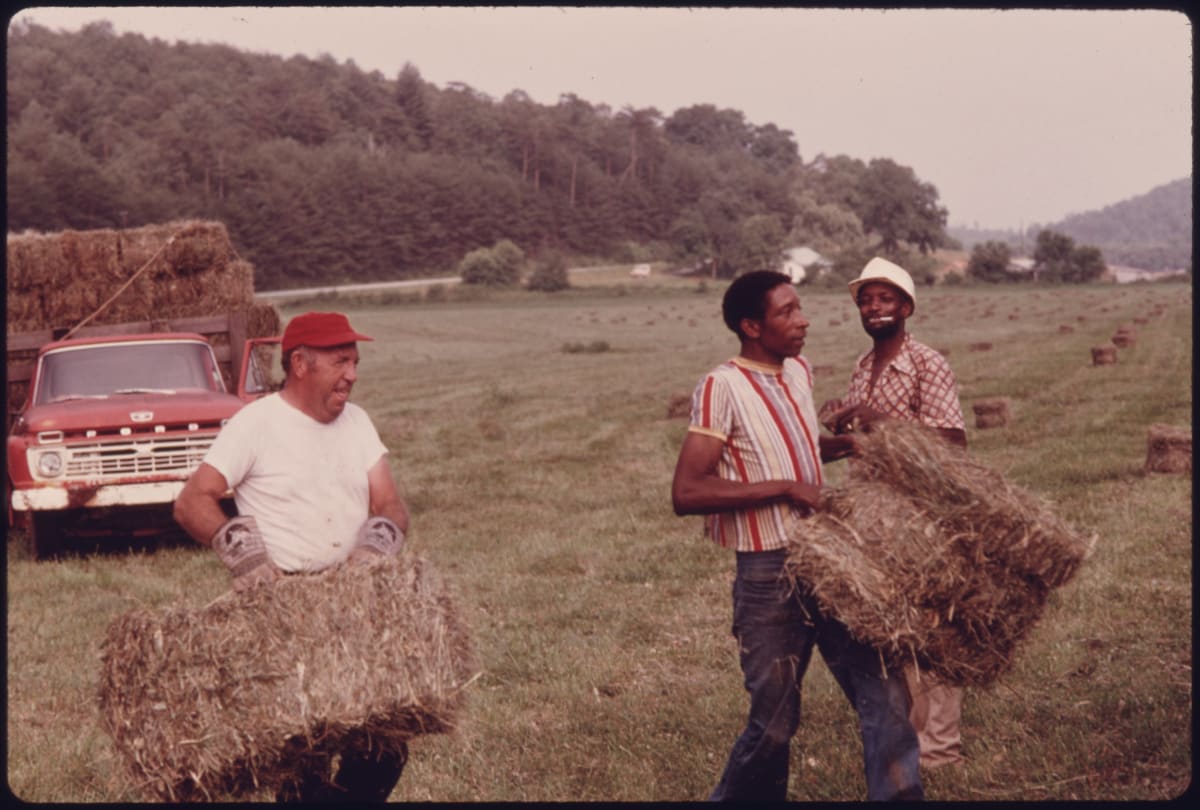
India's agricultural sector employs more than half of the country's workforce, yet the faces behind the fields remain largely invisible in policy debates and tech hype. While headlines celebrate artificial intelligence breakthroughs, the reality on the ground is that manual laborers—often migrant, under‑paid, and lacking social security—continue to feed a nation of 1.4 billion people.

Why Farm Workers Remain Invisible

  • Statistical Overshadowing: National GDP reports highlight services and manufacturing, relegating agriculture to a secondary role despite its contribution to food security.
  • Policy Gaps: Subsidies and credit schemes target landowners, leaving daily wage laborers without formal contracts or health benefits.
  • Tech Narrative Bias: Media and venture capital focus on AI‑driven solutions such as predictive analytics, drones, and robotics, assuming these will replace human hands rather than augment them.

The Economic Engine

India produces roughly 180 million tonnes of cereals each year, a feat achieved by millions of hands planting, weeding, irrigating, and harvesting. These workers generate indirect employment in logistics, processing, and retail, creating a multiplier effect that sustains urban economies. Estimates suggest that every rupee earned by a farm laborer supports up to three rupees of economic activity in other sectors.

AI's Blind Spot

Artificial intelligence promises efficiency, yet its deployment in agriculture often overlooks the human element:

  • Data Collection Gaps: AI models rely on satellite imagery and sensor data that fail to capture the nuanced decisions made by field workers, such as timing of sowing based on local weather cues.
  • Skill Mismatch: Training programs for AI tools are urban‑centric, leaving rural laborers without the digital literacy needed to interface with new technologies.
  • Economic Displacement: Pilot projects introducing autonomous harvesters have sparked fears of job loss, prompting protests in states like Punjab and Maharashtra.

Towards an Inclusive Future

To bridge the divide, policymakers and tech firms must adopt a people‑first approach:

  1. Formalize Labor: Introduce portable employment contracts that grant workers access to insurance, pensions, and grievance mechanisms.
  2. Co‑Design Technology: Involve farm laborers in the development of AI tools to ensure usability and relevance, such as voice‑activated advisory apps in regional languages.
  3. Invest in Rural Connectivity: Expand broadband and electricity to villages, enabling workers to benefit from real‑time market information and digital financial services.
  4. Measure Impact Holistically: Create metrics that assess not only yield improvements but also labor welfare, gender equity, and community resilience.

Takeaway

India's economic narrative cannot be complete without acknowledging the invisible millions who till the soil. As AI continues its rapid ascent, the sector's success will be measured not just by algorithmic precision but by how well it uplifts the very hands that have sustained the nation for centuries.


By focusing on inclusive innovation, India can ensure that technology serves as a partner to its farm workers, rather than a blind spectator.


Original Reporting & Source: ABP Live Blog

Discussion (0)

Sign in to join the discussion.

No comments yet. Be the first to start the conversation!

| |

Invisible Farm Workers Power India's Economy as AI Turns a Blind Eye

By Umang Sisodia • 3 min read • 12 views

The Unseen Backbone of India's Growth

India's agricultural sector employs more than half of the country's workforce, yet the faces behind the fields remain largely invisible in policy debates and tech hype. While headlines celebrate artificial intelligence breakthroughs, the reality on the ground is that manual laborers—often migrant, under‑paid, and lacking social security—continue to feed a nation of 1.4 billion people.

Why Farm Workers Remain Invisible

  • Statistical Overshadowing: National GDP reports highlight services and manufacturing, relegating agriculture to a secondary role despite its contribution to food security.
  • Policy Gaps: Subsidies and credit schemes target landowners, leaving daily wage laborers without formal contracts or health benefits.
  • Tech Narrative Bias: Media and venture capital focus on AI‑driven solutions such as predictive analytics, drones, and robotics, assuming these will replace human hands rather than augment them.

The Economic Engine

India produces roughly 180 million tonnes of cereals each year, a feat achieved by millions of hands planting, weeding, irrigating, and harvesting. These workers generate indirect employment in logistics, processing, and retail, creating a multiplier effect that sustains urban economies. Estimates suggest that every rupee earned by a farm laborer supports up to three rupees of economic activity in other sectors.

AI's Blind Spot

Artificial intelligence promises efficiency, yet its deployment in agriculture often overlooks the human element:

  • Data Collection Gaps: AI models rely on satellite imagery and sensor data that fail to capture the nuanced decisions made by field workers, such as timing of sowing based on local weather cues.
  • Skill Mismatch: Training programs for AI tools are urban‑centric, leaving rural laborers without the digital literacy needed to interface with new technologies.
  • Economic Displacement: Pilot projects introducing autonomous harvesters have sparked fears of job loss, prompting protests in states like Punjab and Maharashtra.

Towards an Inclusive Future

To bridge the divide, policymakers and tech firms must adopt a people‑first approach:

  1. Formalize Labor: Introduce portable employment contracts that grant workers access to insurance, pensions, and grievance mechanisms.
  2. Co‑Design Technology: Involve farm laborers in the development of AI tools to ensure usability and relevance, such as voice‑activated advisory apps in regional languages.
  3. Invest in Rural Connectivity: Expand broadband and electricity to villages, enabling workers to benefit from real‑time market information and digital financial services.
  4. Measure Impact Holistically: Create metrics that assess not only yield improvements but also labor welfare, gender equity, and community resilience.

Takeaway

India's economic narrative cannot be complete without acknowledging the invisible millions who till the soil. As AI continues its rapid ascent, the sector's success will be measured not just by algorithmic precision but by how well it uplifts the very hands that have sustained the nation for centuries.


By focusing on inclusive innovation, India can ensure that technology serves as a partner to its farm workers, rather than a blind spectator.


Original Reporting & Source: ABP Live Blog