Umang Sisodia • • 3 min read • 8 views
India's Nuclear Triad: From Sea to Sky, A Lethal New Era
Introduction
India’s strategic deterrent is undergoing a quiet yet profound transformation. Once limited to a modest land‑based missile force, the country now boasts a full‑fledged nuclear triad—land, sea, and air—that is not only more credible but increasingly lethal. This opinion piece examines the recent developments, the technology behind them, and the geopolitical ripples they create.
The Evolution of India’s Nuclear Triad
India’s nuclear doctrine, articulated in 2003, emphasized a no first use (NFU) policy and a credible minimum deterrent. Over the past two decades, the nation has steadily expanded each leg of the triad:
- Land‑Based Missiles: From the early Agni‑I to the inter‑continental Agni‑V, range has stretched from 700 km to over 5,000 km, enabling strike capability deep into the Indo‑Pacific.
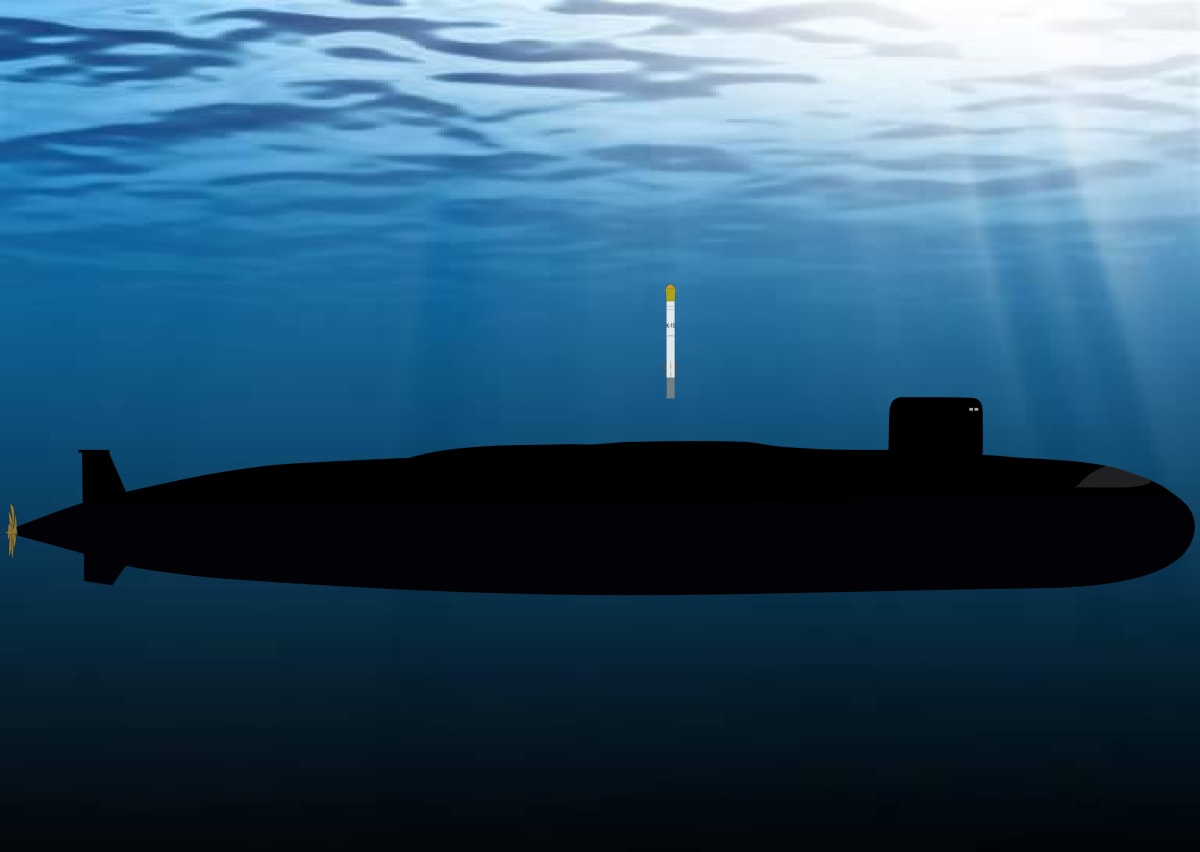
- Sea‑Based Platforms: The indigenously built Arihant‑class ballistic missile submarines (SSBNs) now carry the K‑15 and K‑4 SLBMs, providing a survivable second‑strike option.
- Air‑Launched Systems: The development of the BrahMos‑II hypersonic cruise missile and the integration of nuclear‑capable aircraft such as the Rafale and upgraded Mirage 2000 further round out the triad.
Land‑Based Missiles
The Agni series has seen incremental upgrades in propulsion, guidance, and payload. Recent flight tests of the Agni‑P (a hypersonic boost‑glide vehicle) suggest India is moving toward next‑generation strike capabilities that can evade missile defenses.
Sea‑Based Submarines
The Arihant and its successors, Arihant‑II and Arihant‑III, are nuclear‑powered and equipped with vertical launch tubes. Their stealth, combined with the long‑range K‑4 missile (2,400 km), makes them a formidable deterrent that can survive a first‑strike scenario.
Air‑Launched Platforms
India’s air wing now includes aircraft capable of delivering nuclear payloads on short notice. The BrahMos‑II, with speeds exceeding Mach 7, promises rapid response and deep penetration, complementing the slower but longer‑range land‑based missiles.
Strategic Implications
- Regional Power Balance: A more lethal triad reinforces India’s status as a major power in South Asia and the Indo‑Pacific, prompting neighboring states to reassess their own deterrent postures.
- Deterrence Credibility: Survivability of the sea leg and the speed of hypersonic weapons strengthen the NFU doctrine, reducing the incentive for adversaries to contemplate a pre‑emptive strike.
- Arms Race Dynamics: Enhanced capabilities may accelerate an arms race, especially with China’s expanding missile inventory and Pakistan’s continued development of tactical nuclear weapons.
Challenges & Outlook
- Technological Hurdles: Indigenous development of reliable SLBMs and hypersonic systems remains a complex, costly endeavor.
- Command & Control: Ensuring secure, rapid decision‑making across the three legs is critical to avoid accidental escalation.
- International Perception: While India frames its buildup as defensive, global non‑proliferation regimes may scrutinize the expansion, affecting diplomatic engagements.
Takeaways
- India’s nuclear triad is transitioning from a minimum deterrent to a robust, multi‑vector capability.
- The sea leg now offers the most survivable second‑strike option, while hypersonic advancements boost strike credibility.
- Strategic stability in the region hinges on transparent doctrines, robust command structures, and diplomatic dialogue to prevent misinterpretation of intent.
The trajectory of India’s nuclear arsenal will shape not only its own security calculus but also the broader strategic architecture of the Indo‑Pacific.
Original Reporting & Source: ABP Live Blog

Discussion (0)
Sign in to join the discussion.
No comments yet. Be the first to start the conversation!