Umang Sisodia • • 4 min read • 9 views
Will the Thackeray Brothers Reunite? Maharashtra’s High‑Stakes Quest to Revive Balasaheb’s Vision
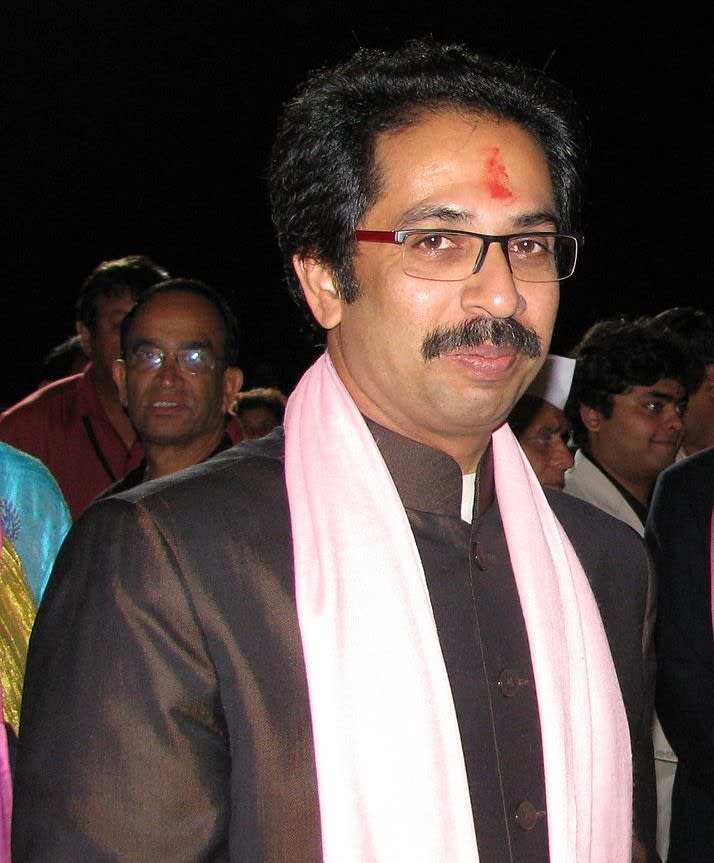
The Thackeray Split: A Brief Recap
In 2006, a rift that shocked Maharashtra’s political landscape began when Raj Thackeray, the charismatic nephew of Shiv Sena founder Balasaheb Thackeray, broke away to form the Maharashtra Navnirman Sena (MNS). The split was more than a family feud; it fractured a movement that had, for decades, combined Marathi pride with a hard‑line Hindutva stance. Over the next fifteen years, the two factions – Uddhav Thackeray’s Shiv Sena and Raj Thackeray’s MNS – contested elections, sometimes as allies, often as bitter rivals, each claiming to be the true inheritor of Balasaheb’s legacy.
Why a Reunion Matters Now
1. Electoral Realities
The 2024 Maharashtra assembly elections have exposed the limits of a divided Marathi vote bank. While the Shiv Sena, now part of the Maha Vikas Aghadi coalition, managed a modest seat haul, the MNS barely crossed the threshold for legislative representation. Political analysts argue that a united front could consolidate Marathi‑language voters, especially in Mumbai’s suburbs where both parties still enjoy grassroots support.
2. Ideological Re‑Alignment
Balasaheb’s original manifesto combined Marathi regionalism with cultural nationalism. Over the years, both factions have drifted – the Shiv Sena leaning towards a broader Hindutva coalition with the BJP, and the MNS focusing on aggressive anti‑migration rhetoric. A reunion could force a re‑examination of the core tenets, potentially crafting a platform that resonates with younger, aspirational Maharashtrians while retaining the elder generation’s cultural pride.
3. Power Vacuum at the Centre
Nationally, the BJP faces a fragmented opposition and growing anti‑incumbency in several states. Maharashtra, as India’s economic powerhouse, is a strategic prize. A consolidated Thackeray bloc could become a kingmaker in future centre‑state negotiations, giving the brothers leverage far beyond state politics.
The Do‑or‑Die Battle for Balasaheb’s Legacy
Balasaheb Thackeray was not merely a political figure; he was a symbolic architect of Marathi identity. Reclaiming his legacy is therefore a high‑stakes battle on three fronts:
- Narrative Control: Both brothers have built distinct mythologies around Balasaheb. Uddhav emphasizes the ‘social justice’ angle, while Raj highlights ‘regional assertiveness.’ A reunion would require a joint narrative that reconciles these strands.
- Organizational Integration: The Shiv Sena’s hierarchical party structure contrasts with the MNS’s more grassroots‑mobilised approach. Merging cadres, assets, and local leadership will test the brothers’ ability to manage egos and loyalties.
- Public Perception: Voters have grown accustomed to the rivalry. Convincing them that the reunion is genuine and not a mere electoral gimmick will demand transparent outreach, possibly through joint rallies and a unified party symbol.
Potential Scenarios
| Scenario | Likelihood | Implications |
|---|---|---|
| Full Merger – a single party under a new name, retaining the Shiv Sena emblem. | Medium | Could reshape Maharashtra’s political map, challenge BJP’s dominance. |
| Strategic Alliance – retain separate identities but contest elections together. | High | Immediate electoral gains, but long‑term ideological friction persists. |
| Status Quo – continued rivalry. | Low | Fragmented Marathi vote, diminishing relevance for both leaders. |
Takeaways
- Timing is crucial – the post‑election environment offers a window for negotiation before the next electoral cycle.
- Balasaheb’s brand is still potent – both factions recognize that invoking his name still mobilises crowds.
- **The brothers must prioritize a shared vision over personal ambition if they hope to translate nostalgia into political power.
The coming months will reveal whether the Thackerays can move beyond their historic feud and present a unified front that honors Balasaheb’s legacy while adapting to contemporary Maharashtra. The stakes are not just regional; they could reverberate across India’s broader political spectrum.
By [Your Name], Senior Chief Editor & Photojournalist Director
Original Reporting & Source: ABP Live Blog

Discussion (0)
Sign in to join the discussion.
No comments yet. Be the first to start the conversation!