Umang Sisodia • • 3 min read • 9 views

Noida’s Chhijarsi Power Heist: 13,000 Illegal Connections Cost ₹1.3 Crore Monthly
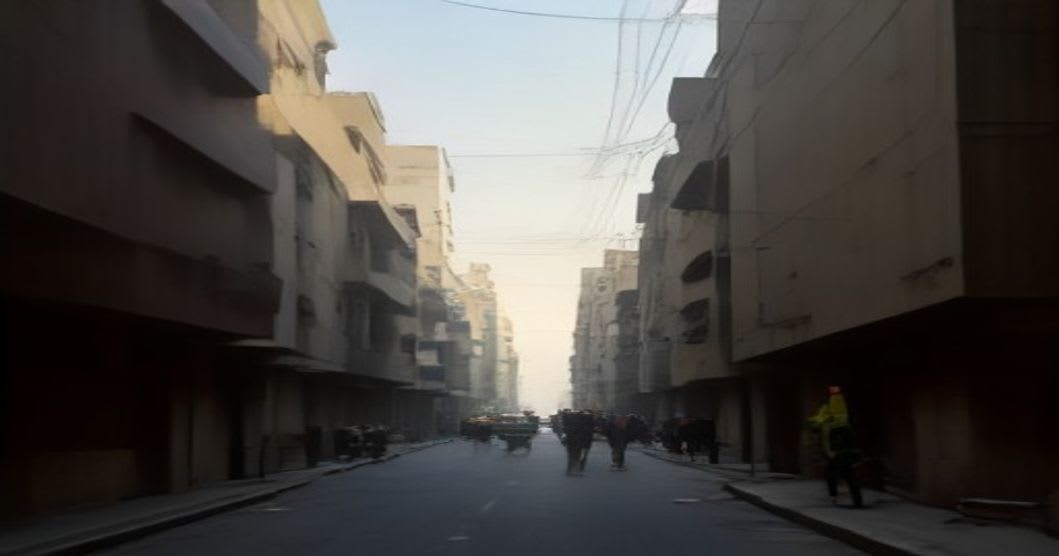
Noida’s Chhijarsi Power Heist: 13,000 Illegal Connections Cost ₹1.3 Crore Monthly

The Scale of the Scam

In the bustling suburb of Chhijarsi, Noida, authorities have uncovered a massive electricity theft operation. Roughly 13,000 illegal connections have been identified, translating to an estimated ₹1.3 crore loss every month for the power utility. This is not merely a case of a few rogue meters; it is an organized network that exploits regulatory loopholes, weak monitoring, and the high demand for cheap electricity in rapidly expanding residential colonies.

How the Illicit Grid Works

  • Tampered meters: Standard consumer meters are either replaced with analog versions that can be easily reversed or are simply bypassed using homemade connectors.
  • Shared supply lines: Several households tap into a single legal line, distributing power through a web of hidden cables that run under footpaths and along building facades.
  • Middlemen: Local contractors, often with informal agreements with utility staff, facilitate the installation and maintenance of these rogue connections for a fee.

Why Power Theft Persists in Noida

  1. Rapid urbanisation – New housing projects outpace the grid’s capacity, prompting residents to seek cheaper alternatives.
  2. Economic pressure – For many low‑income families, the cost of a legal connection and monthly bill is prohibitive.
  3. Regulatory gaps – Inconsistent enforcement and limited real‑time monitoring allow illegal lines to remain undetected for months.
  4. Corruption – Instances of collusion between rogue electricians and utility officials have been reported in other parts of Uttar Pradesh, creating a fertile ground for similar practices in Noida.

The Ripple Effect

  • Financial strain on DISCOMs – The Delhi Electricity Supply Company (DISCOM) reports a dip in revenue, affecting its ability to invest in infrastructure upgrades.
  • Safety hazards – Overloaded illegal lines increase the risk of short‑circuits, fires, and electrocution, endangering entire neighbourhoods.
  • Grid instability – Unaccounted load can cause voltage fluctuations, leading to outages for legitimate consumers.
  • Environmental impact – Power theft encourages the use of diesel generators as backup, contributing to higher emissions.

Government and Utility Response

  • Smart metering rollout – The Uttar Pradesh Power Corporation Limited (UPPCL) has accelerated the installation of Advanced Metering Infrastructure (AMI) to detect anomalies in real time.
  • Targeted raids – Police and utility officials have conducted surprise inspections, sealing illegal connections and filing FIRs against identified offenders.
  • Public awareness campaigns – Posters, community meetings, and social media drives aim to educate residents about the legal and safety implications of electricity theft.
  • Incentive schemes – Subsidised connection fees for low‑income families are being piloted to reduce the incentive for illegal hookups.

Lessons for Other Fast‑Growing Cities

  • Data‑driven monitoring – Leveraging AI‑based load‑forecasting can flag irregular consumption patterns early.
  • Community policing – Engaging local resident welfare associations (RWAs) creates a watchdog network that reports suspicious activity.
  • Transparent billing – Simplified, transparent tariffs reduce the perceived need for illicit shortcuts.
  • Robust legal framework – Strengthening penalties and ensuring swift prosecution deter potential offenders.

Looking Ahead

If Noida’s authorities can curb the Chhijarsi power theft, it will set a precedent for tackling similar challenges across the National Capital Region (NCR). The combination of technology, strict enforcement, and community participation could transform a ₹1.3 crore monthly loss into a model of sustainable urban electricity management.


Prepared by the editorial team, based on reports from India Today Top Stories.


Original Reporting & Source: India Today Top Stories

Discussion (0)

Sign in to join the discussion.

No comments yet. Be the first to start the conversation!

| |

Noida’s Chhijarsi Power Heist: 13,000 Illegal Connections Cost ₹1.3 Crore Monthly

By Umang Sisodia • 3 min read • 9 views

The Scale of the Scam

In the bustling suburb of Chhijarsi, Noida, authorities have uncovered a massive electricity theft operation. Roughly 13,000 illegal connections have been identified, translating to an estimated ₹1.3 crore loss every month for the power utility. This is not merely a case of a few rogue meters; it is an organized network that exploits regulatory loopholes, weak monitoring, and the high demand for cheap electricity in rapidly expanding residential colonies.

How the Illicit Grid Works

  • Tampered meters: Standard consumer meters are either replaced with analog versions that can be easily reversed or are simply bypassed using homemade connectors.
  • Shared supply lines: Several households tap into a single legal line, distributing power through a web of hidden cables that run under footpaths and along building facades.
  • Middlemen: Local contractors, often with informal agreements with utility staff, facilitate the installation and maintenance of these rogue connections for a fee.

Why Power Theft Persists in Noida

  1. Rapid urbanisation – New housing projects outpace the grid’s capacity, prompting residents to seek cheaper alternatives.
  2. Economic pressure – For many low‑income families, the cost of a legal connection and monthly bill is prohibitive.
  3. Regulatory gaps – Inconsistent enforcement and limited real‑time monitoring allow illegal lines to remain undetected for months.
  4. Corruption – Instances of collusion between rogue electricians and utility officials have been reported in other parts of Uttar Pradesh, creating a fertile ground for similar practices in Noida.

The Ripple Effect

  • Financial strain on DISCOMs – The Delhi Electricity Supply Company (DISCOM) reports a dip in revenue, affecting its ability to invest in infrastructure upgrades.
  • Safety hazards – Overloaded illegal lines increase the risk of short‑circuits, fires, and electrocution, endangering entire neighbourhoods.
  • Grid instability – Unaccounted load can cause voltage fluctuations, leading to outages for legitimate consumers.
  • Environmental impact – Power theft encourages the use of diesel generators as backup, contributing to higher emissions.

Government and Utility Response

  • Smart metering rollout – The Uttar Pradesh Power Corporation Limited (UPPCL) has accelerated the installation of Advanced Metering Infrastructure (AMI) to detect anomalies in real time.
  • Targeted raids – Police and utility officials have conducted surprise inspections, sealing illegal connections and filing FIRs against identified offenders.
  • Public awareness campaigns – Posters, community meetings, and social media drives aim to educate residents about the legal and safety implications of electricity theft.
  • Incentive schemes – Subsidised connection fees for low‑income families are being piloted to reduce the incentive for illegal hookups.

Lessons for Other Fast‑Growing Cities

  • Data‑driven monitoring – Leveraging AI‑based load‑forecasting can flag irregular consumption patterns early.
  • Community policing – Engaging local resident welfare associations (RWAs) creates a watchdog network that reports suspicious activity.
  • Transparent billing – Simplified, transparent tariffs reduce the perceived need for illicit shortcuts.
  • Robust legal framework – Strengthening penalties and ensuring swift prosecution deter potential offenders.

Looking Ahead

If Noida’s authorities can curb the Chhijarsi power theft, it will set a precedent for tackling similar challenges across the National Capital Region (NCR). The combination of technology, strict enforcement, and community participation could transform a ₹1.3 crore monthly loss into a model of sustainable urban electricity management.


Prepared by the editorial team, based on reports from India Today Top Stories.


Original Reporting & Source: India Today Top Stories