Umang Sisodia • • 3 min read • 10 views
Six-Year-Old Rescued After Three Days Under Debris in Nepal’s Devastating Floods
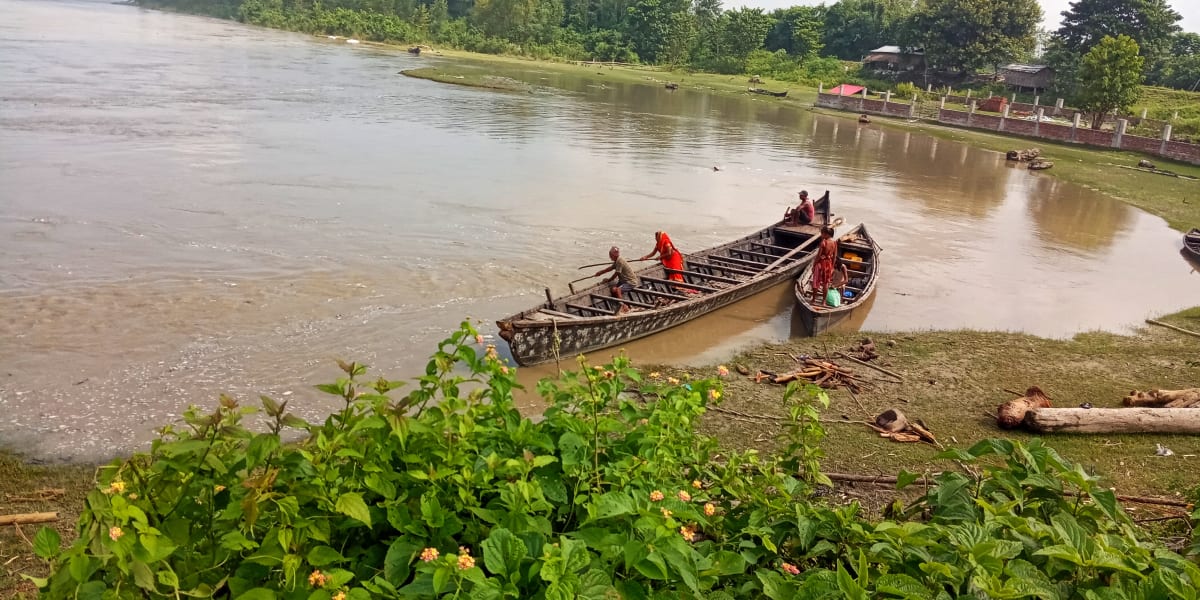
A Harrowing Tale of Survival
In late August 2024, torrential monsoon rains unleashed one of the worst flood events in recent Nepali history. Rivers swelled, embankments gave way, and entire villages were submerged under meters of water and mud. Amid the chaos, a six‑year‑old girl from the Morang district emerged as a symbol of resilience: buried under debris for three days, she was finally rescued alive.
The Flood’s Scope
- Geographic impact: The Koshi and its tributaries overflowed, affecting over 1.2 million people across eastern Nepal.
- Human cost: Preliminary figures reported more than 150 fatalities and thousands displaced.
- Infrastructure damage: Roads, bridges, and schools were washed away, hampering rescue operations.
The Child’s Ordeal
The girl, whose name has been withheld for safety, was swept away while playing near her home. She became trapped beneath a collapsed thatched roof and a pile of mud‑laden timber. Neighbors initially thought she was lost; only after days of relentless searching did rescue teams locate her faint pulse.
Rescue Operations
- Local volunteers: Villagers formed human chains, using makeshift boats and rope ladders to navigate the flood‑ridden terrain.
- National Disaster Response Force (NDRF): Deployed over 200 personnel equipped with sonar‑enabled life‑detectors.
- International aid: Organizations such as the Red Cross and UNICEF supplied medical kits, clean water, and temporary shelters.
The breakthrough came when a drone equipped with thermal imaging identified a heat signature beneath the debris. NDRF divers, guided by the drone feed, carefully removed layers of mud, finally uncovering the exhausted child.
Medical Aftercare
Upon extraction, the girl was rushed to the nearest field hospital in Biratnagar. She suffered severe dehydration, hypothermia, and minor lacerations but, remarkably, no long‑term organ damage. Doctors attribute her survival to:
- Rapid rehydration administered by paramedics.
- Community support that kept her morale high despite the ordeal.
- Early detection via modern rescue technology.
Broader Implications
Climate Change & Monsoon Intensity
Scientists warn that Nepal’s mountainous topography makes it especially vulnerable to climate‑induced extreme weather. The 2024 floods align with a pattern of increasing monsoon intensity, driven by rising global temperatures.
Infrastructure Gaps
Many villages still rely on traditional, flood‑prone construction. The disaster underscores the urgent need for:
- Elevated housing and reinforced embankments.
- Early warning systems integrated with community radio.
- Training for local volunteers in swift water rescue techniques.
Policy Recommendations
- Invest in resilient infrastructure: Allocate funds for flood‑resistant roads and bridges.
- Strengthen disaster preparedness: Conduct regular drills and equip local councils with life‑detectors.
- Promote climate adaptation: Support afforestation and watershed management to reduce runoff.
Takeaway
The survival of this six‑year‑old is not just a heart‑warming anecdote; it is a stark reminder of the human cost of climate‑driven disasters and the power of coordinated rescue efforts. As Nepal rebuilds, the story should galvanize policymakers, NGOs, and citizens to prioritize resilient infrastructure and community‑based preparedness.
Stay informed, stay prepared, and remember that behind every statistic is a story of hope and endurance.
Original Reporting & Source: India Today Top Stories

Discussion (0)
Sign in to join the discussion.
No comments yet. Be the first to start the conversation!