Umang Sisodia • • 3 min read • 5 views

Caught in the Rising Waters: A Mother’s Flight Through Nepal’s Devastating Floods
Caught in the Rising Waters: A Mother’s Flight Through Nepal’s Devastating Floods

The Human Face of Nepal’s Flood Crisis

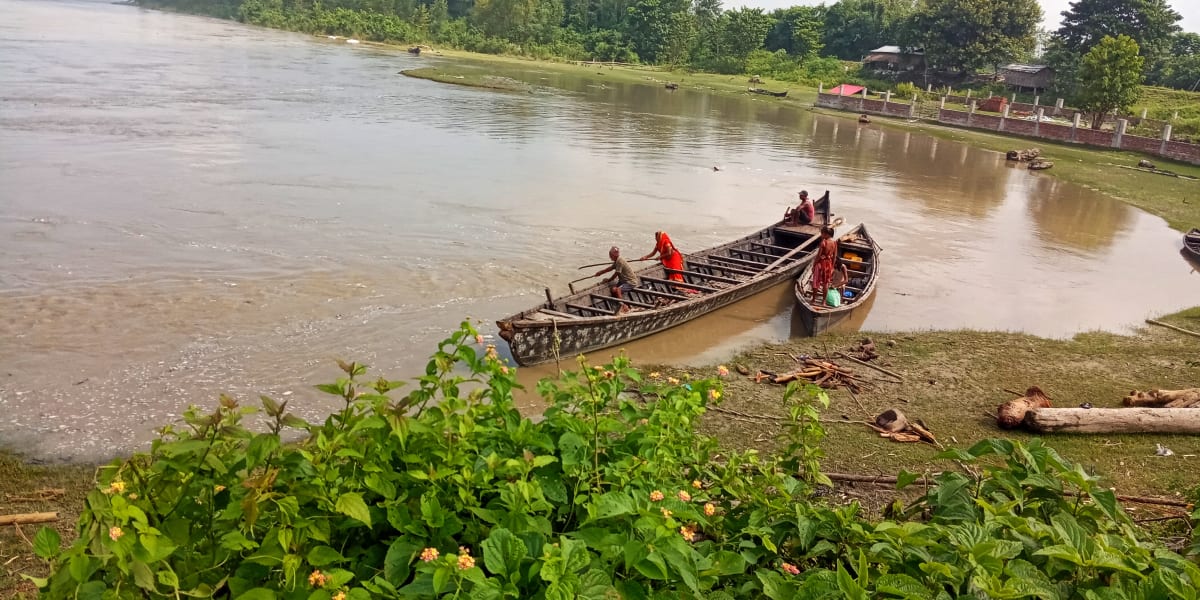
When the monsoon swelled the rivers of eastern Nepal last week, the headlines spoke of displaced families, damaged infrastructure, and a mounting humanitarian response. Yet, amid the statistics, a single image has come to symbolize the sheer urgency of the disaster: a woman stumbling through knee‑deep water, clutching two small children, as floodwaters surge past her.

A Day Like Any Other, Turned Catastrophe

On a humid afternoon in the district of Morang, the woman – identified by locals as Sita – was returning from the market with her two children, ages five and three. The Koshi River, already swollen from relentless rain, burst its banks, turning the narrow village lane into a torrent. Within minutes, the ground beneath Sita’s feet gave way, and she found herself wading through a chaotic mix of water, mud, and floating debris.

  • Immediate reaction – Sita’s first instinct was to protect her children, hoisting the younger boy onto her shoulders while the older girl clung to her waist.
  • Physical challenges – The water’s velocity was enough to knock her off balance, forcing her to stumble repeatedly.
  • Emotional toll – Witnesses described a look of sheer determination mixed with fear, a silent promise to get her children to safety.

The Broader Flood Landscape

The incident is part of a larger emergency that has affected over 200,000 people across Nepal’s eastern plains. According to the National Disaster Risk Reduction and Management Authority (NDRRMA), the monsoon season this year has been 30% above average in terms of rainfall, a trend many scientists link to climate change.

  • Infrastructure damage: More than 1,500 homes have been submerged, and critical roadways, including the Mahendra Highway, remain impassable.
  • Health risks: Stagnant floodwater has raised concerns about water‑borne diseases such as cholera and dengue.
  • Economic impact: Agriculture, the region’s primary livelihood, faces losses estimated at USD 45 million.

Response Efforts and Community Resilience

Local authorities, together with UN agencies, have mobilised rapid‑response teams. Temporary shelters have been set up in schools and community halls, while non‑governmental organizations are distributing dry rations, blankets, and clean water.

  • Rescue operations: Boats and inflatable rafts have been deployed to reach families stranded on rooftops.
  • Volunteer networks: Villagers have formed ad‑hoc groups to ferry the elderly and children to higher ground.
  • Long‑term planning: Experts are urging the government to invest in river embankments and early‑warning systems to mitigate future calamities.

What This Means for the Future

Sita’s harrowing escape underscores a stark reality: climate‑induced extreme weather events are no longer rare anomalies for Nepal. The nation’s geography—nestled between the Himalayas and the Gangetic plains—makes it especially vulnerable.

  • Policy implication: Strengthening disaster preparedness at the district level can save lives and reduce economic loss.
  • Humanitarian focus: Prioritising vulnerable groups—women, children, the elderly—ensures that relief reaches those most at risk.
  • Global responsibility: International climate finance and technology transfer can help Nepal build resilient infrastructure.

Takeaway

The image of a mother stumbling through floodwaters while shielding her children is a powerful reminder that behind every statistic lies a story of courage, fear, and hope. As Nepal rebuilds, the world must remember Sita’s resolve and act decisively to safeguard countless others from the rising tide of climate‑driven disasters.


For continuous updates on the Nepal flood response, stay tuned to India Today Top Stories.


Original Reporting & Source: India Today Top Stories

Discussion (0)

Sign in to join the discussion.

No comments yet. Be the first to start the conversation!

| |

Caught in the Rising Waters: A Mother’s Flight Through Nepal’s Devastating Floods

By Umang Sisodia • 3 min read • 5 views

The Human Face of Nepal’s Flood Crisis

When the monsoon swelled the rivers of eastern Nepal last week, the headlines spoke of displaced families, damaged infrastructure, and a mounting humanitarian response. Yet, amid the statistics, a single image has come to symbolize the sheer urgency of the disaster: a woman stumbling through knee‑deep water, clutching two small children, as floodwaters surge past her.

A Day Like Any Other, Turned Catastrophe

On a humid afternoon in the district of Morang, the woman – identified by locals as Sita – was returning from the market with her two children, ages five and three. The Koshi River, already swollen from relentless rain, burst its banks, turning the narrow village lane into a torrent. Within minutes, the ground beneath Sita’s feet gave way, and she found herself wading through a chaotic mix of water, mud, and floating debris.

  • Immediate reaction – Sita’s first instinct was to protect her children, hoisting the younger boy onto her shoulders while the older girl clung to her waist.
  • Physical challenges – The water’s velocity was enough to knock her off balance, forcing her to stumble repeatedly.
  • Emotional toll – Witnesses described a look of sheer determination mixed with fear, a silent promise to get her children to safety.

The Broader Flood Landscape

The incident is part of a larger emergency that has affected over 200,000 people across Nepal’s eastern plains. According to the National Disaster Risk Reduction and Management Authority (NDRRMA), the monsoon season this year has been 30% above average in terms of rainfall, a trend many scientists link to climate change.

  • Infrastructure damage: More than 1,500 homes have been submerged, and critical roadways, including the Mahendra Highway, remain impassable.
  • Health risks: Stagnant floodwater has raised concerns about water‑borne diseases such as cholera and dengue.
  • Economic impact: Agriculture, the region’s primary livelihood, faces losses estimated at USD 45 million.

Response Efforts and Community Resilience

Local authorities, together with UN agencies, have mobilised rapid‑response teams. Temporary shelters have been set up in schools and community halls, while non‑governmental organizations are distributing dry rations, blankets, and clean water.

  • Rescue operations: Boats and inflatable rafts have been deployed to reach families stranded on rooftops.
  • Volunteer networks: Villagers have formed ad‑hoc groups to ferry the elderly and children to higher ground.
  • Long‑term planning: Experts are urging the government to invest in river embankments and early‑warning systems to mitigate future calamities.

What This Means for the Future

Sita’s harrowing escape underscores a stark reality: climate‑induced extreme weather events are no longer rare anomalies for Nepal. The nation’s geography—nestled between the Himalayas and the Gangetic plains—makes it especially vulnerable.

  • Policy implication: Strengthening disaster preparedness at the district level can save lives and reduce economic loss.
  • Humanitarian focus: Prioritising vulnerable groups—women, children, the elderly—ensures that relief reaches those most at risk.
  • Global responsibility: International climate finance and technology transfer can help Nepal build resilient infrastructure.

Takeaway

The image of a mother stumbling through floodwaters while shielding her children is a powerful reminder that behind every statistic lies a story of courage, fear, and hope. As Nepal rebuilds, the world must remember Sita’s resolve and act decisively to safeguard countless others from the rising tide of climate‑driven disasters.


For continuous updates on the Nepal flood response, stay tuned to India Today Top Stories.


Original Reporting & Source: India Today Top Stories