Umang Sisodia • • 3 min read • 8 views
US Hits Iranian Missile Launchers in Hormuz; Tehran Vows Retaliation
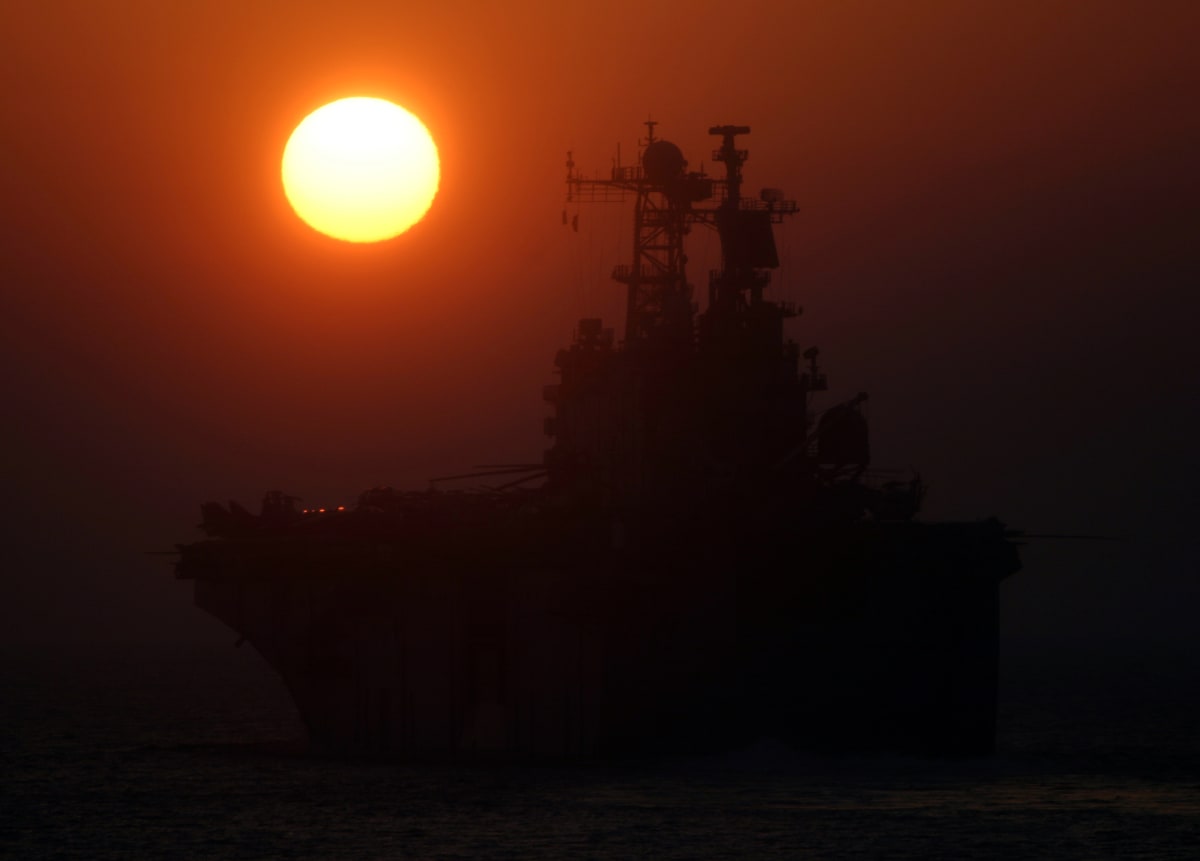
A New Flashpoint in the Strait of Hormuz
On [date], the United States launched a precision strike against Iranian surface‑to‑air missile launchers positioned near the strategic Strait of Hormuz. The operation, carried out by U.S. Navy destroyers and carrier‑based aircraft, marked the first direct kinetic engagement between the two adversaries in the waterway since the 2019 attacks on oil tankers.
Why the Strait Matters
- Global Oil Flow: Roughly 20% of the world’s petroleum transits the Hormuz corridor daily. Any disruption can ripple through energy markets, inflating prices worldwide.
- Geopolitical Choke Point: The narrow passage, only 21 nautical miles wide at its tightest point, is flanked by Iranian‑controlled islands, giving Tehran a de‑facto lever over maritime traffic.
- Security Dilemma: Both Washington and Tehran maintain a heavy naval presence, creating a classic security dilemma where defensive postures are perceived as offensive threats.
The Strike: What We Know
- Target Selection – U.S. intelligence identified a cluster of mobile SAM (surface‑to‑air missile) launchers that had been used to track and potentially engage allied vessels.
- Execution – Carrier‑based F‑35s and naval Tomahawk missiles were employed, achieving a “high‑probability of kill” on the launchers without collateral damage to civilian shipping.
- Immediate Aftermath – Iranian state media reported damage to the launchers and claimed the attack violated international law, while the U.S. Defence Department framed the strike as a pre‑emptive defensive measure.
Tehran’s Response: Retaliation on the Table
Iran’s foreign ministry issued a stark warning: “Any further aggression will be met with a proportional and decisive response.” Analysts note that Tehran’s rhetoric often serves dual purposes – signaling resolve domestically while buying diplomatic space for covert escalation.
- Potential Counter‑measures could include missile launches from the Persian Gulf, cyber‑operations against U.S. naval assets, or leveraging proxy groups in the region.
- Diplomatic Channels remain open, with European mediators urging restraint to prevent a broader conflict.
Broader Implications
- Energy Markets – Following the strike, Brent crude rose $2‑$3 per barrel, reflecting market anxiety over supply disruptions.
- Regional Alliances – Gulf Cooperation Council (GCC) states, already wary of Iranian ambitions, have reaffirmed support for U.S. freedom‑of‑navigation operations.
- U.S. Strategy – The action underscores Washington’s “maximum pressure” policy, aiming to degrade Iran’s asymmetric capabilities without committing ground forces.
Looking Ahead
The episode illustrates the precarious balance of power in the Hormuz Strait. While the United States seeks to deter Iranian aggression, Tehran’s vow of retaliation keeps the risk of miscalculation high. Observers stress the need for clear communication channels, confidence‑building measures, and a renewed diplomatic push to avoid an inadvertent escalation that could jeopardize global energy stability.
The situation remains fluid. Updates will follow as new intelligence and official statements emerge.
Original Reporting & Source: India Today Top Stories

Discussion (0)
Sign in to join the discussion.
No comments yet. Be the first to start the conversation!