Umang Sisodia • • 4 min read • 12 views

Uttarakhand Flood Tragedy: 5 Dead as Monsoon Rains Swell Rivers and Crush Roads
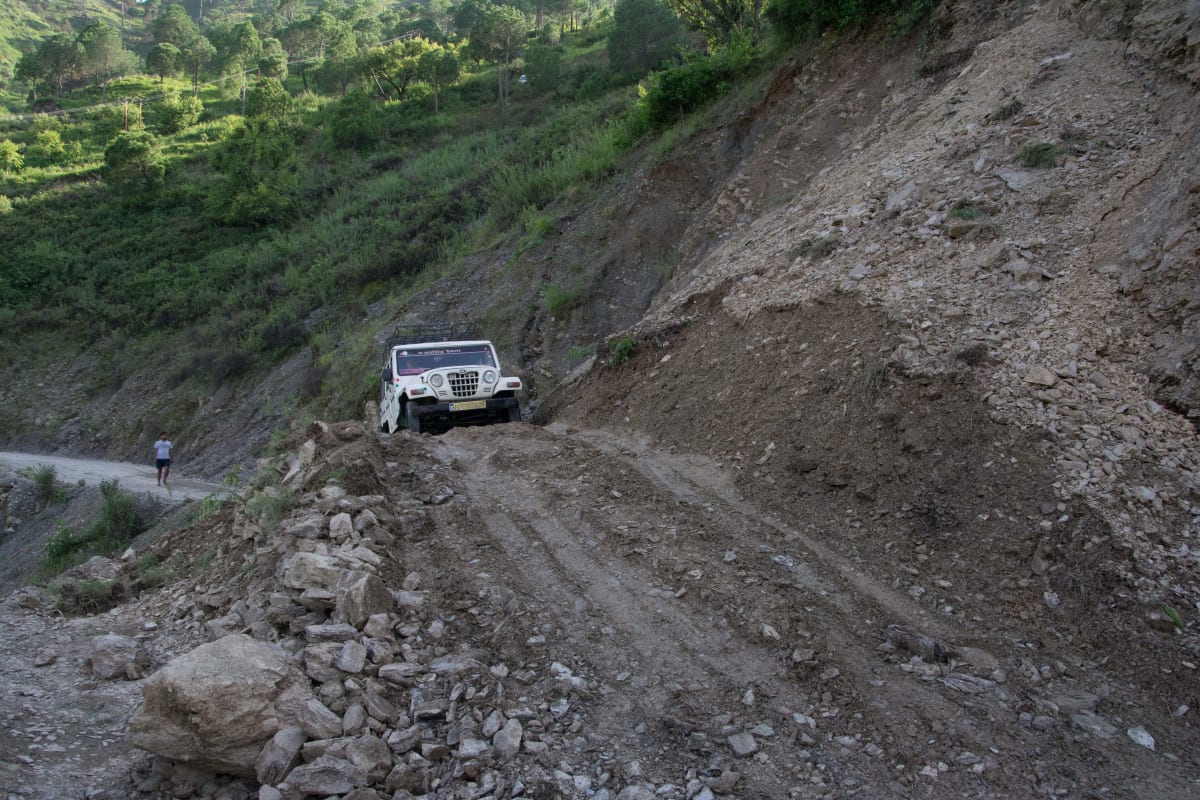
Uttarakhand Flood Tragedy: 5 Dead as Monsoon Rains Swell Rivers and Crush Roads

A Deadly Deluge in the Himalayas

The Indian state of Uttarakhand was thrust into chaos this week when relentless monsoon downpours caused rivers to burst their banks, sending torrents of water and massive boulders crashing onto mountain roads. The disaster claimed five lives and left dozens injured, while isolated villages grappled with disrupted supplies and blocked evacuation routes.


What Happened?

  • Heavy rain: A slow‑moving low‑pressure system stalled over the central Himalayas, delivering more than 250 mm of rain in 24 hours across the district of Chamoli and neighboring areas.
  • Rising rivers: The Alaknanda and Dhauliganga rivers, already swollen from earlier showers, surged beyond their capacity.
  • Landslides & boulders: Saturated soil gave way on steep slopes, sending huge boulders tumbling onto the National Highway 7 and local feeder roads.
  • Casualties: Five people were confirmed dead – three locals and two trekkers – while emergency services rescued over 30 individuals trapped in their homes or vehicles.

The Human Toll

The victims included a family of three from a remote hamlet near Joshimath, whose home was engulfed by a sudden surge, and two adventure tourists caught in a flash flood while trekking near Rudraprayag. Survivors recounted harrowing scenes of water rising within minutes, forcing them to climb onto rooftops and cling to trees for safety.

"The water came so fast, we barely had time to think. It was like a wall of water and rocks," said Anita Sharma, a resident who helped pull injured neighbors to higher ground.


Rescue Operations and Challenges

The National Disaster Response Force (NDRF), along with the Indian Army, State Disaster Management Authority, and local volunteers, launched a coordinated rescue mission:

  • Helicopter air‑lifts: Two CH‑47 Chinooks evacuated stranded trekkers from inaccessible valleys.
  • Road clearance: Engineering units worked around the clock to remove fallen boulders and restore the NH‑7 corridor, a vital lifeline for supplies.
  • Medical aid: Temporary field hospitals were set up in Rishikesh and Dehradun to treat injuries ranging from fractures to hypothermia.

However, the rugged terrain, ongoing rain, and landslide‑blocked passes hampered swift movement, underscoring the region’s vulnerability to extreme weather events.


Why Uttarakhand is Prone to Such Disasters

Uttarakhand’s geography—a narrow river valley hemmed by steep mountains—makes it a natural flash‑flood hotspot. Several factors amplify the risk:

  1. Deforestation: Unchecked logging and construction have reduced forest cover, destabilising slopes.
  2. Climate change: Scientific studies link rising temperatures to more intense monsoon bursts, increasing the frequency of sudden, high‑volume rainfall.
  3. Infrastructure gaps: Many mountain roads lack adequate drainage, and older bridges were not designed for today’s extreme flow rates.

The 2021 Chamoli disaster, where a sudden surge from a glacial lake outburst caused massive loss of life, serves as a grim reminder that the state’s disaster‑management framework must evolve.


Looking Ahead: Mitigation and Preparedness

Experts advocate a multi‑pronged approach:

  • Reforestation of catchment areas to improve soil absorption.
  • Early warning systems leveraging satellite‑based rainfall monitoring to alert communities in real time.
  • Upgrading road infrastructure with reinforced embankments and proper culverts.
  • Community training on evacuation protocols and first‑aid.

The recent tragedy has reignited calls for the central and state governments to prioritize these measures, ensuring that the breathtaking beauty of the Himalayas does not come at the cost of human lives.


Final Thoughts

While the monsoon season is a lifeline for agriculture, its unchecked fury can turn the very rivers that nourish the land into agents of destruction. Uttarakhand’s recent calamity is a stark illustration of this duality. As rescue teams continue to search for missing persons and restore connectivity, the broader lesson is clear: preparedness, sustainable development, and climate‑resilient planning must become non‑negotiable pillars of policy.

Stay informed, stay safe, and support relief efforts through verified channels.


Original Reporting & Source: India Today Top Stories

Discussion (0)

Sign in to join the discussion.

No comments yet. Be the first to start the conversation!

| |

Uttarakhand Flood Tragedy: 5 Dead as Monsoon Rains Swell Rivers and Crush Roads

By Umang Sisodia • 4 min read • 12 views

A Deadly Deluge in the Himalayas

The Indian state of Uttarakhand was thrust into chaos this week when relentless monsoon downpours caused rivers to burst their banks, sending torrents of water and massive boulders crashing onto mountain roads. The disaster claimed five lives and left dozens injured, while isolated villages grappled with disrupted supplies and blocked evacuation routes.


What Happened?

  • Heavy rain: A slow‑moving low‑pressure system stalled over the central Himalayas, delivering more than 250 mm of rain in 24 hours across the district of Chamoli and neighboring areas.
  • Rising rivers: The Alaknanda and Dhauliganga rivers, already swollen from earlier showers, surged beyond their capacity.
  • Landslides & boulders: Saturated soil gave way on steep slopes, sending huge boulders tumbling onto the National Highway 7 and local feeder roads.
  • Casualties: Five people were confirmed dead – three locals and two trekkers – while emergency services rescued over 30 individuals trapped in their homes or vehicles.

The Human Toll

The victims included a family of three from a remote hamlet near Joshimath, whose home was engulfed by a sudden surge, and two adventure tourists caught in a flash flood while trekking near Rudraprayag. Survivors recounted harrowing scenes of water rising within minutes, forcing them to climb onto rooftops and cling to trees for safety.

"The water came so fast, we barely had time to think. It was like a wall of water and rocks," said Anita Sharma, a resident who helped pull injured neighbors to higher ground.


Rescue Operations and Challenges

The National Disaster Response Force (NDRF), along with the Indian Army, State Disaster Management Authority, and local volunteers, launched a coordinated rescue mission:

  • Helicopter air‑lifts: Two CH‑47 Chinooks evacuated stranded trekkers from inaccessible valleys.
  • Road clearance: Engineering units worked around the clock to remove fallen boulders and restore the NH‑7 corridor, a vital lifeline for supplies.
  • Medical aid: Temporary field hospitals were set up in Rishikesh and Dehradun to treat injuries ranging from fractures to hypothermia.

However, the rugged terrain, ongoing rain, and landslide‑blocked passes hampered swift movement, underscoring the region’s vulnerability to extreme weather events.


Why Uttarakhand is Prone to Such Disasters

Uttarakhand’s geography—a narrow river valley hemmed by steep mountains—makes it a natural flash‑flood hotspot. Several factors amplify the risk:

  1. Deforestation: Unchecked logging and construction have reduced forest cover, destabilising slopes.
  2. Climate change: Scientific studies link rising temperatures to more intense monsoon bursts, increasing the frequency of sudden, high‑volume rainfall.
  3. Infrastructure gaps: Many mountain roads lack adequate drainage, and older bridges were not designed for today’s extreme flow rates.

The 2021 Chamoli disaster, where a sudden surge from a glacial lake outburst caused massive loss of life, serves as a grim reminder that the state’s disaster‑management framework must evolve.


Looking Ahead: Mitigation and Preparedness

Experts advocate a multi‑pronged approach:

  • Reforestation of catchment areas to improve soil absorption.
  • Early warning systems leveraging satellite‑based rainfall monitoring to alert communities in real time.
  • Upgrading road infrastructure with reinforced embankments and proper culverts.
  • Community training on evacuation protocols and first‑aid.

The recent tragedy has reignited calls for the central and state governments to prioritize these measures, ensuring that the breathtaking beauty of the Himalayas does not come at the cost of human lives.


Final Thoughts

While the monsoon season is a lifeline for agriculture, its unchecked fury can turn the very rivers that nourish the land into agents of destruction. Uttarakhand’s recent calamity is a stark illustration of this duality. As rescue teams continue to search for missing persons and restore connectivity, the broader lesson is clear: preparedness, sustainable development, and climate‑resilient planning must become non‑negotiable pillars of policy.

Stay informed, stay safe, and support relief efforts through verified channels.


Original Reporting & Source: India Today Top Stories