Umang Sisodia • • 3 min read • 10 views
Pakistan Takes SCO Chair as Modi Condemns Terror as a ‘Strategic Asset’
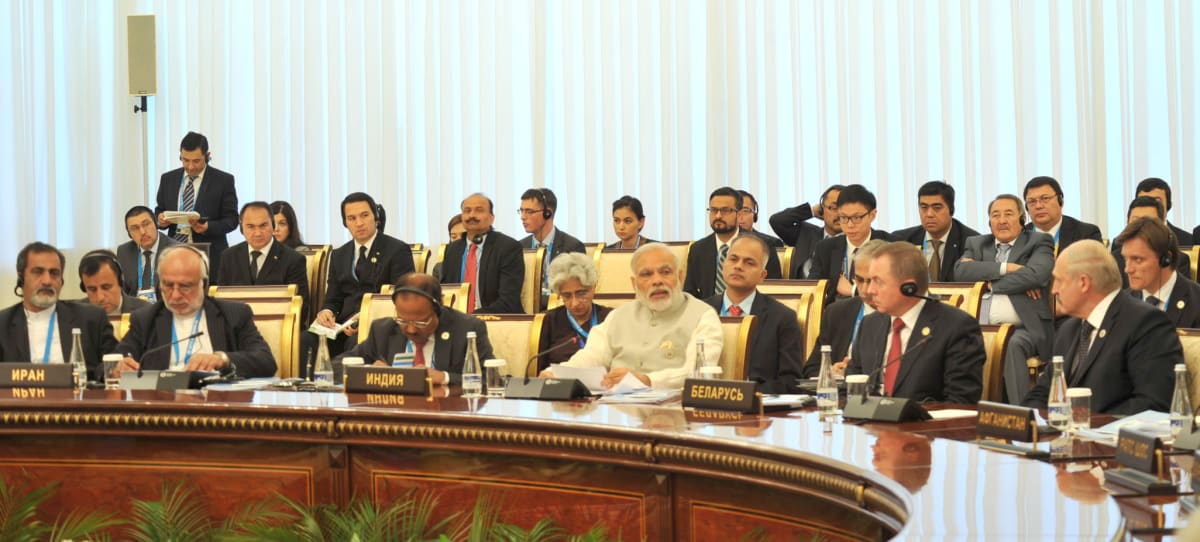
The Shanghai Cooperation Organisation’s New Leadership
On September 1 2026, the Shanghai Cooperation Organisation (SCO) formally handed over its chairmanship to Pakistan. The move, announced at the summit in Astana, marks a significant shift in the regional bloc’s power dynamics, bringing the country that has long been a flashpoint in South Asian security to the helm of a 12‑nation platform that includes China, Russia, India, and Central Asian states.
Modi’s Sharp Rebuke
Indian Prime Minister Narendra Modi seized the moment to deliver a pointed critique of Pakistan’s role in regional stability. In a televised address, he warned that “terrorism is being weaponised as a strategic asset” by Islamabad, a phrase that reverberated through the conference hall and quickly made headlines across the sub‑continent.
“When a state adopts terror as a tool of policy, it not only jeopardises its neighbours but also undermines the very purpose of multilateral institutions like the SCO,” Modi said.
The Broader Geopolitical Context
- SCO’s Expanding Agenda – Originally a security‑focused grouping, the SCO now tackles trade, connectivity, and climate cooperation. Pakistan’s chairmanship could tilt the agenda toward security concerns, especially along the volatile Afghan‑Pakistani frontier.
- India‑Pakistan Tensions – The latest flare‑up comes amid renewed disputes over the Indus Waters Treaty and cross‑border infiltration accusations. Both capitals are using the SCO platform to broadcast their narratives to a global audience.
- China‑Russia Alignment – With both powers backing Pakistan’s leadership bid, New Delhi finds itself navigating a delicate balancing act: cooperating on Afghanistan while countering any tacit endorsement of terror‑linked policies.
Reactions from the SCO Members
- China welcomed Pakistan’s chairmanship, emphasizing “continuity and stability” in the organization’s security architecture.
- Russia highlighted the need for “collective action against extremism,” echoing Modi’s concerns but stopping short of naming any member.
- Central Asian Presidents called for “enhanced economic cooperation,” signalling a desire to keep the summit’s focus broad despite political undercurrents.
What This Means for Regional Security
- Increased Scrutiny on Pakistan – As chair, Islamabad will be under the microscope, with member states likely demanding concrete steps to curb militant networks operating from its soil.
- India’s Diplomatic Leverage – Modi’s public condemnation serves a dual purpose: it pressures Pakistan while positioning India as a responsible stakeholder advocating for a terror‑free SCO.
- Potential Realignment – If Pakistan leans heavily on security narratives, other members may push back, potentially reshaping the SCO’s consensus‑driven decision‑making process.
Takeaways
- The SCO summit has become a stage for India‑Pakistan rivalry, with each side using diplomatic language to signal broader strategic intentions.
- Modi’s framing of terrorism as a strategic asset is a calculated move to delegitimize Pakistan’s international standing while rallying domestic support.
- The coming months will reveal whether Pakistan can balance its chair responsibilities with the international community’s expectations for counter‑terrorism action.
The SCO’s next meeting is slated for 2027, and the outcomes of Pakistan’s tenure will likely influence the organization’s direction for years to come.
Original Reporting & Source: The Times of India

Discussion (0)
Sign in to join the discussion.
No comments yet. Be the first to start the conversation!