Umang Sisodia • • 3 min read • 12 views

Tiger Woods to Change Plea in Florida DUI Case After Records Review
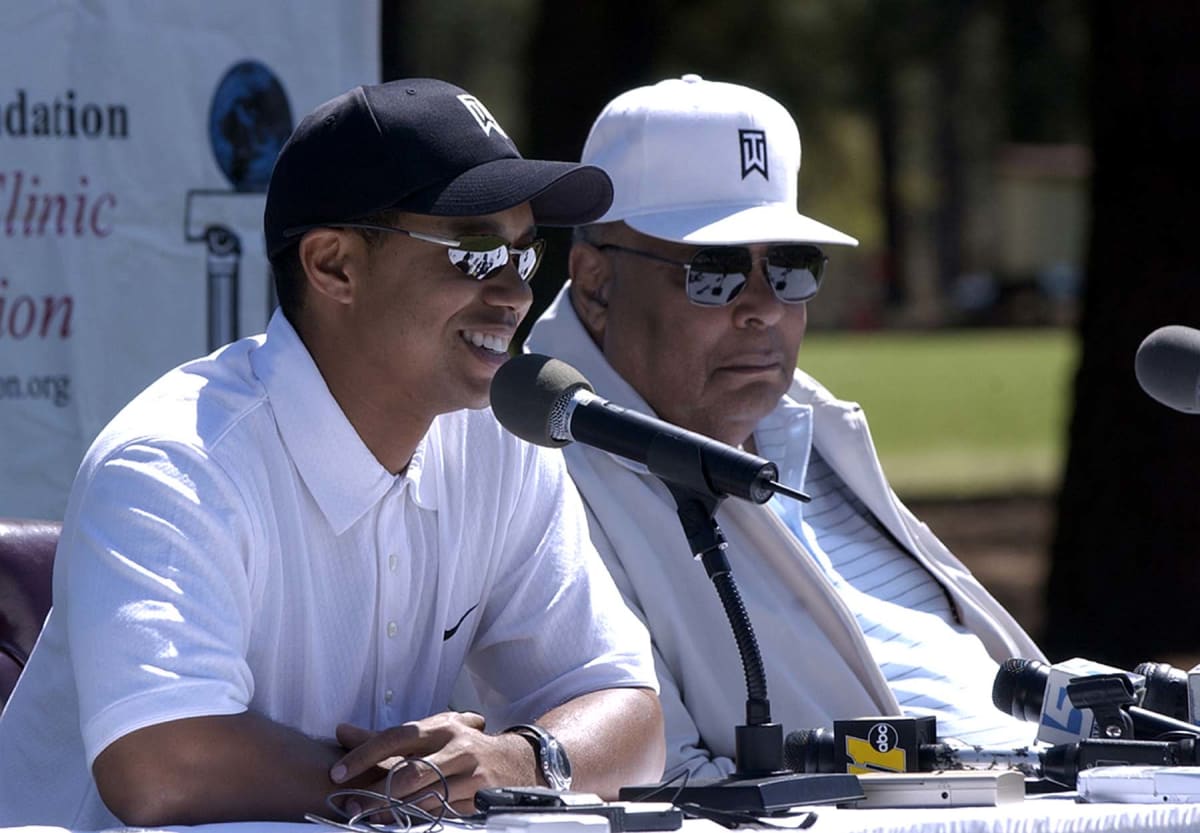
Tiger Woods to Change Plea in Florida DUI Case After Records Review

Overview

Tiger Woods, the 15‑time major champion, has announced that he will change his plea in the Florida DUI case pending in Palm Beach County. The decision follows a meticulous review of police and court records, which his legal team says reveals new evidence that could affect the outcome of the case. While the plea shift does not yet indicate a final verdict, it signals a strategic move that could reshape the narrative around the golfer’s legal troubles and his broader public image.


  • Initial charge: In February 2024, Woods was stopped on I‑95 near West Palm Beach for alleged driving under the influence. He was subsequently arrested and charged with a misdemeanor DUI.
  • First plea: Woods entered a no‑contest plea, a common approach that avoids an explicit admission of guilt while allowing the court to impose penalties.
  • Records review: Over the past month, Woods’ attorneys have examined dash‑cam footage, officer notes, and toxicology reports. They claim inconsistencies—particularly concerning the timing of the breath‑test and the officer’s field‑sobriety observations.
  • New plea: The upcoming hearing will see Woods request a plea to the lesser charge of reckless driving, or possibly a conditional discharge if the court accepts the newly presented evidence.

Implications for Woods' Career

  1. Financial stakes: Woods remains under a multi‑year endorsement deal with major brands such as Nike, Rolex, and Bridgestone. A conviction could trigger morality clauses, risking millions in sponsorship revenue.
  2. Tournament eligibility: While a misdemeanor DUI does not automatically bar him from PGA Tour events, repeated legal issues could prompt the Tour’s disciplinary committee to impose restrictions.
  3. Legacy considerations: Woods has spent the past decade rebuilding his reputation after the 2021 car crash. A favorable resolution could reinforce his comeback narrative, whereas a harsher penalty might reignite past criticisms.

Public & Sponsorship Reaction

  • Fans: Social media sentiment is split. A significant portion of Woods’ fanbase expresses empathy, emphasizing his contributions to golf and charitable work. Others argue that high‑profile athletes must face stricter scrutiny.
  • Sponsors: Statements from corporate partners have been cautiously supportive, emphasizing “due process” while reiterating their commitment to ethical standards.
  • Media: Sports journalists are focusing on the procedural aspects of the case, highlighting how the plea change reflects a broader trend of athletes leveraging legal expertise to navigate complex criminal proceedings.

What Might Change?

  • Reduced penalties: If the court accepts the new plea, Woods could face a reduced fine, community service, or a suspended license rather than jail time.
  • Probation terms: The judge may impose a mandatory alcohol‑education program, which could become a public‑relations focal point for Woods.
  • Future legal strategy: This case may set a precedent for how high‑profile athletes negotiate plea bargains when new evidence surfaces.

Takeaways

  • The plea change underscores the importance of comprehensive evidence review in criminal cases, especially for public figures.
  • Woods’ legal team is employing a strategic pivot that could mitigate both legal and commercial fallout.
  • The outcome will likely influence sponsorship contracts, tour participation, and the broader conversation about accountability for elite athletes.

As the hearing approaches, stakeholders—from fans to sponsors—will be watching closely to see whether Woods can once again turn a legal setback into a controlled narrative.


Original Reporting & Source: India Today Top Stories

Discussion (0)

Sign in to join the discussion.

No comments yet. Be the first to start the conversation!

| |

Tiger Woods to Change Plea in Florida DUI Case After Records Review

By Umang Sisodia • 3 min read • 12 views

Overview

Tiger Woods, the 15‑time major champion, has announced that he will change his plea in the Florida DUI case pending in Palm Beach County. The decision follows a meticulous review of police and court records, which his legal team says reveals new evidence that could affect the outcome of the case. While the plea shift does not yet indicate a final verdict, it signals a strategic move that could reshape the narrative around the golfer’s legal troubles and his broader public image.


  • Initial charge: In February 2024, Woods was stopped on I‑95 near West Palm Beach for alleged driving under the influence. He was subsequently arrested and charged with a misdemeanor DUI.
  • First plea: Woods entered a no‑contest plea, a common approach that avoids an explicit admission of guilt while allowing the court to impose penalties.
  • Records review: Over the past month, Woods’ attorneys have examined dash‑cam footage, officer notes, and toxicology reports. They claim inconsistencies—particularly concerning the timing of the breath‑test and the officer’s field‑sobriety observations.
  • New plea: The upcoming hearing will see Woods request a plea to the lesser charge of reckless driving, or possibly a conditional discharge if the court accepts the newly presented evidence.

Implications for Woods' Career

  1. Financial stakes: Woods remains under a multi‑year endorsement deal with major brands such as Nike, Rolex, and Bridgestone. A conviction could trigger morality clauses, risking millions in sponsorship revenue.
  2. Tournament eligibility: While a misdemeanor DUI does not automatically bar him from PGA Tour events, repeated legal issues could prompt the Tour’s disciplinary committee to impose restrictions.
  3. Legacy considerations: Woods has spent the past decade rebuilding his reputation after the 2021 car crash. A favorable resolution could reinforce his comeback narrative, whereas a harsher penalty might reignite past criticisms.

Public & Sponsorship Reaction

  • Fans: Social media sentiment is split. A significant portion of Woods’ fanbase expresses empathy, emphasizing his contributions to golf and charitable work. Others argue that high‑profile athletes must face stricter scrutiny.
  • Sponsors: Statements from corporate partners have been cautiously supportive, emphasizing “due process” while reiterating their commitment to ethical standards.
  • Media: Sports journalists are focusing on the procedural aspects of the case, highlighting how the plea change reflects a broader trend of athletes leveraging legal expertise to navigate complex criminal proceedings.

What Might Change?

  • Reduced penalties: If the court accepts the new plea, Woods could face a reduced fine, community service, or a suspended license rather than jail time.
  • Probation terms: The judge may impose a mandatory alcohol‑education program, which could become a public‑relations focal point for Woods.
  • Future legal strategy: This case may set a precedent for how high‑profile athletes negotiate plea bargains when new evidence surfaces.

Takeaways

  • The plea change underscores the importance of comprehensive evidence review in criminal cases, especially for public figures.
  • Woods’ legal team is employing a strategic pivot that could mitigate both legal and commercial fallout.
  • The outcome will likely influence sponsorship contracts, tour participation, and the broader conversation about accountability for elite athletes.

As the hearing approaches, stakeholders—from fans to sponsors—will be watching closely to see whether Woods can once again turn a legal setback into a controlled narrative.


Original Reporting & Source: India Today Top Stories