Umang Sisodia • • 3 min read • 11 views
Uttarakhand Floods Kill 7, Close 172 Roads; UP & Jharkhand Also Struck
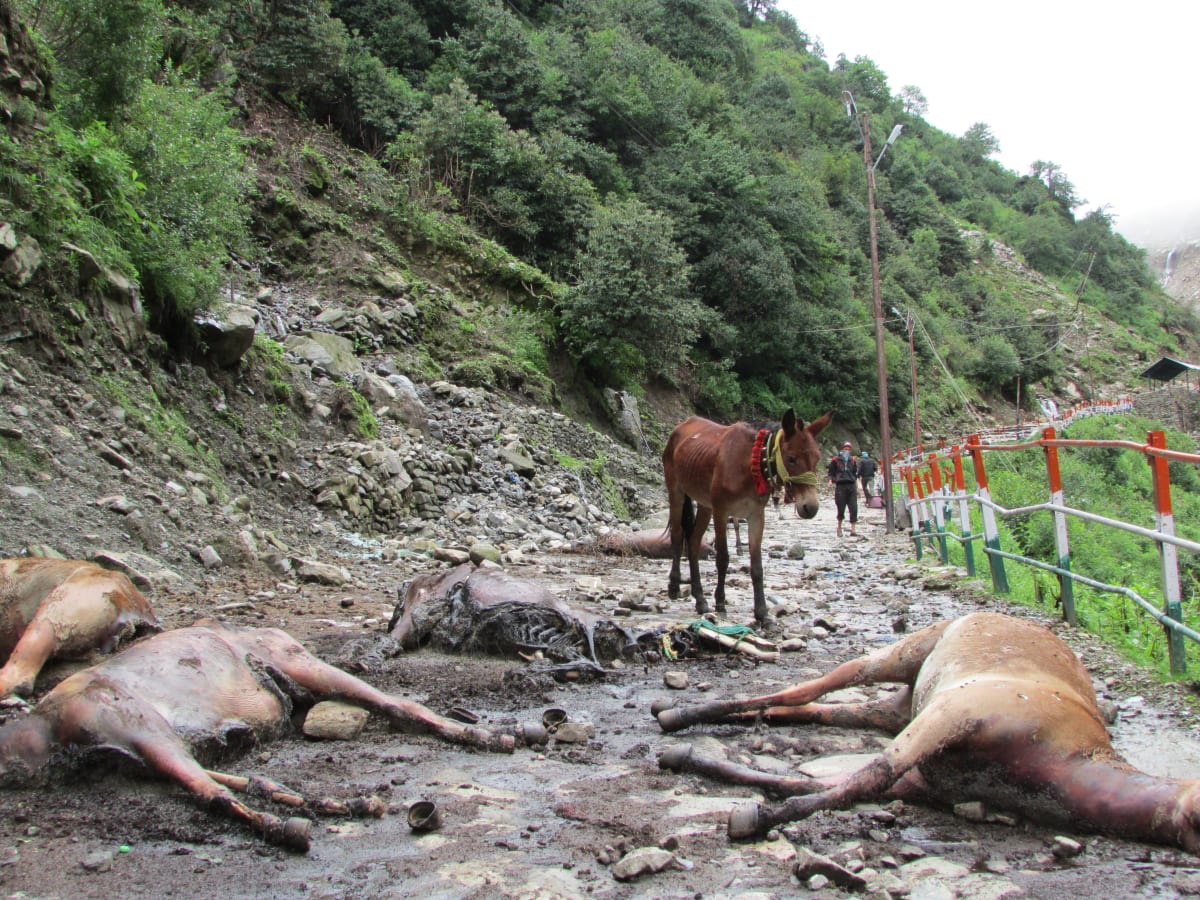
Overview
The Himalayan state of Uttarakhand has been hit by a sudden deluge that has turned its winding roads into rivers of mud and water. As of today, seven lives have been lost and 172 roads have been shut due to landslides, flash floods and debris flow. The heavy rains have not been confined to the hills; neighbouring states Uttar Pradesh (UP) and Jharkhand are also grappling with water‑logged streets, disrupted transport and rising panic among residents.
Human Toll
- 7 confirmed deaths in Uttarakhand, primarily due to landslides on the Char Dham highway and in remote villages.
- Several families have been rescued from flooded homes in Rudraprayag and Chamoli districts.
- In UP, rising water levels in the Ganga and its tributaries have forced evacuations in Kanpur and Prayagraj.
- Jharkhand’s Ranchi district reports dozens of displaced families after roads collapsed under the weight of saturated soil.
Infrastructure Impact
- 172 roads across Uttarakhand, including key national highways (NH 7, NH 107), are closed for safety checks.
- Bridges over the Alaknanda and Bhagirathi rivers have been declared unsafe, halting commercial traffic.
- Power outages affect over 45,000 households in the hill zones, while UP’s power grid reports intermittent supply in Meerut.
- In Jharkhand, railway tracks near Dhanbad have been washed out, delaying freight movements.
Regional Spread
| State | Key Affected Areas | Primary Hazard |
|---|---|---|
| Uttarakhand | Chamoli, Rudraprayag, Dehradun | Landslides & flash floods |
| Uttar Pradesh | Kanpur, Prayagraj, Lucknow outskirts | River overflow |
| Jharkhand | Ranchi, Dhanbad, Jamshedpur periphery | Urban flooding |
The monsoon’s reach has expanded beyond the usual belt, underscoring how climate anomalies are stretching traditional flood‑prone zones.
Government Response
- National Disaster Management Authority (NDMA) has dispatched 150 rescue teams equipped with boats, inflatable rafts and high‑power pumps.
- State Disaster Relief Funds of ₹500 crore have been released for immediate relief and road repair.
- Air‑lift operations are underway to evacuate stranded patients from remote mountain clinics.
- In UP and Jharkhand, local administrations have set up temporary shelters in schools and community halls, providing food packets and medical kits.
Climate Context
Meteorologists attribute the extreme precipitation to a strengthened monsoon trough combined with anomalous sea‑surface temperatures in the Arabian Sea. The Inter‑Governmental Panel on Climate Change (IPCC) warns that such intense, short‑duration rain events are likely to become more frequent in the Himalayan region, raising the spectre of glacier‑lake outburst floods (GLOFs) and chronic landslide hazards.
What Lies Ahead?
- Road reopening is expected to take 2‑3 weeks after thorough geotechnical assessments.
- Long‑term mitigation plans include slope‑stabilisation, early‑warning systems and the construction of rain‑water harvesting structures to reduce runoff.
- Citizens are urged to stay updated via local radio and government alert apps, especially in low‑lying urban pockets of UP and Jharkhand.
The current crisis is a stark reminder that infrastructure resilience and community preparedness must evolve hand‑in‑hand with the changing climate. As rescue teams work round the clock, the collective hope rests on swift relief, transparent communication, and a robust strategy to safeguard lives against future monsoon fury.
Stay tuned for live updates and detailed safety guidelines from the Ministry of Home Affairs and State Disaster Management Departments.
Original Reporting & Source: India Today Top Stories

Discussion (0)
Sign in to join the discussion.
No comments yet. Be the first to start the conversation!