Umang Sisodia • • 3 min read • 12 views

Kangana Ranaut Dismisses Therapy, Calls ‘Hanuman Ansh’ a ‘Satsang’ – A Deep Dive into Bollywood’s Mental‑Health Narrative
Kangana Ranaut Dismisses Therapy, Calls ‘Hanuman Ansh’ a ‘Satsang’ – A Deep Dive into Bollywood’s Mental‑Health Narrative

The Provocative Statement

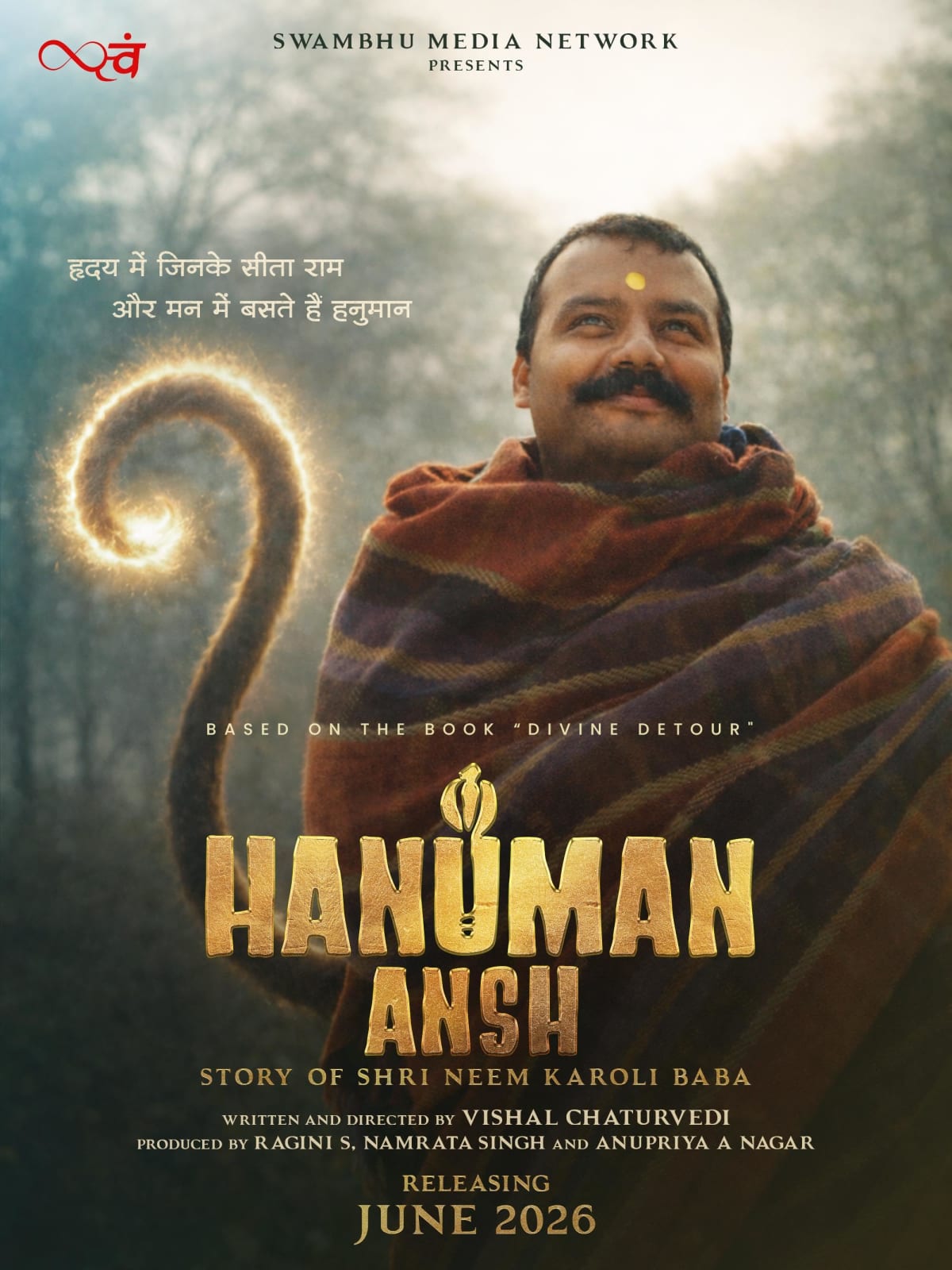
Kangana Ranaut, one of Bollywood’s most outspoken stars, recently sparked a fresh wave of debate by proclaiming that viewers could skip therapy and instead watch the newly released devotional drama “Hanuman Ansh.” In a candid interview, she described the film as a "satsang" – a spiritual gathering that, in her view, offers the same healing that a therapist might provide.


Context: A Pattern of Controversial Commentary

Kangana’s career has been marked by a series of bold, often polarising remarks. From challenging industry hierarchies to openly criticizing political leaders, her voice rarely conforms to the conventional expectations of a Bollywood star. This latest comment adds another layer to her public persona:

  • Self‑help through cinema: By positioning a movie as a substitute for professional mental‑health support, she blurs the line between entertainment and therapy.
  • Cultural framing: Referring to the film as a satsang taps into India’s deep‑rooted spiritual traditions, suggesting that religious or devotional content can serve therapeutic purposes.
  • Media amplification: The statement quickly trended on social platforms, prompting both praise from spiritual communities and concern from mental‑health advocates.

Why “Hanuman Ansh” Became the Focal Point

“Hanuman Ansh,” directed by [Director’s Name], narrates the mythic exploits of Lord Hanuman, intertwining contemporary storytelling with classic mythology. While the film aims to inspire devotion, critics argue that its melodramatic style may not resonate with everyone seeking genuine emotional relief.

Key Takeaways from the Film

  • Narrative structure: The plot follows a linear hero’s journey, emphasizing perseverance and faith.
  • Visual aesthetics: Grand set pieces, vibrant costumes, and CGI‑enhanced action sequences create a larger‑than‑life experience.
  • Message: The central theme advocates surrender to a higher power as a pathway to inner peace.

The Mental‑Health Angle: Therapy vs. Spirituality

India’s mental‑health ecosystem faces several challenges: stigma, limited access to qualified professionals, and a shortage of affordable services. While spiritual practices can complement well‑being, experts caution against replacing clinical therapy with cinematic experiences.

  • Evidence‑based therapy: Cognitive‑behavioral approaches, medication, and counseling have documented success rates for anxiety, depression, and trauma.
  • Spiritual coping: Practices like meditation, prayer, and community gatherings can provide comfort, but they work best alongside professional care.
  • Potential risks: Suggesting a film as a therapeutic substitute may deter individuals from seeking necessary help, especially in a country where mental‑health literacy is still evolving.

Public Reaction and Industry Implications

The statement ignited a mixed response:

  • Supporters praised Kangana for championing Indian spirituality and encouraging audiences to explore cultural roots.
  • Critics warned that celebrity influence carries responsibility, especially when addressing health‑related topics.
  • Industry peers remain largely silent, perhaps wary of entering a debate that intertwines art, religion, and health.

What This Means for Bollywood

  1. Content responsibility: Filmmakers may need to consider the societal impact of positioning movies as therapeutic tools.
  2. Collaborations: Future projects could partner with mental‑health NGOs to provide resources alongside screenings.
  3. Narrative diversification: Audiences are increasingly seeking nuanced portrayals of mental health, opening space for more authentic storytelling.

Bottom Line

Kangana Ranaut’s declaration that “Hanuman Ansh” can replace therapy is a stark reminder of the power celebrities wield over public discourse. While spiritual narratives hold undeniable value, they should complement—not replace—professional mental‑health care. As Bollywood continues to shape cultural conversations, a balanced approach that respects both artistic expression and scientific rigor will be essential for fostering a healthier, more informed society.


For readers seeking support, the National Helpline (080-46110000) offers free, confidential counseling across India.


Original Reporting & Source: India Today Top Stories

Discussion (0)

Sign in to join the discussion.

No comments yet. Be the first to start the conversation!

| |

Kangana Ranaut Dismisses Therapy, Calls ‘Hanuman Ansh’ a ‘Satsang’ – A Deep Dive into Bollywood’s Mental‑Health Narrative

By Umang Sisodia • 3 min read • 12 views

The Provocative Statement

Kangana Ranaut, one of Bollywood’s most outspoken stars, recently sparked a fresh wave of debate by proclaiming that viewers could skip therapy and instead watch the newly released devotional drama “Hanuman Ansh.” In a candid interview, she described the film as a "satsang" – a spiritual gathering that, in her view, offers the same healing that a therapist might provide.


Context: A Pattern of Controversial Commentary

Kangana’s career has been marked by a series of bold, often polarising remarks. From challenging industry hierarchies to openly criticizing political leaders, her voice rarely conforms to the conventional expectations of a Bollywood star. This latest comment adds another layer to her public persona:

  • Self‑help through cinema: By positioning a movie as a substitute for professional mental‑health support, she blurs the line between entertainment and therapy.
  • Cultural framing: Referring to the film as a satsang taps into India’s deep‑rooted spiritual traditions, suggesting that religious or devotional content can serve therapeutic purposes.
  • Media amplification: The statement quickly trended on social platforms, prompting both praise from spiritual communities and concern from mental‑health advocates.

Why “Hanuman Ansh” Became the Focal Point

“Hanuman Ansh,” directed by [Director’s Name], narrates the mythic exploits of Lord Hanuman, intertwining contemporary storytelling with classic mythology. While the film aims to inspire devotion, critics argue that its melodramatic style may not resonate with everyone seeking genuine emotional relief.

Key Takeaways from the Film

  • Narrative structure: The plot follows a linear hero’s journey, emphasizing perseverance and faith.
  • Visual aesthetics: Grand set pieces, vibrant costumes, and CGI‑enhanced action sequences create a larger‑than‑life experience.
  • Message: The central theme advocates surrender to a higher power as a pathway to inner peace.

The Mental‑Health Angle: Therapy vs. Spirituality

India’s mental‑health ecosystem faces several challenges: stigma, limited access to qualified professionals, and a shortage of affordable services. While spiritual practices can complement well‑being, experts caution against replacing clinical therapy with cinematic experiences.

  • Evidence‑based therapy: Cognitive‑behavioral approaches, medication, and counseling have documented success rates for anxiety, depression, and trauma.
  • Spiritual coping: Practices like meditation, prayer, and community gatherings can provide comfort, but they work best alongside professional care.
  • Potential risks: Suggesting a film as a therapeutic substitute may deter individuals from seeking necessary help, especially in a country where mental‑health literacy is still evolving.

Public Reaction and Industry Implications

The statement ignited a mixed response:

  • Supporters praised Kangana for championing Indian spirituality and encouraging audiences to explore cultural roots.
  • Critics warned that celebrity influence carries responsibility, especially when addressing health‑related topics.
  • Industry peers remain largely silent, perhaps wary of entering a debate that intertwines art, religion, and health.

What This Means for Bollywood

  1. Content responsibility: Filmmakers may need to consider the societal impact of positioning movies as therapeutic tools.
  2. Collaborations: Future projects could partner with mental‑health NGOs to provide resources alongside screenings.
  3. Narrative diversification: Audiences are increasingly seeking nuanced portrayals of mental health, opening space for more authentic storytelling.

Bottom Line

Kangana Ranaut’s declaration that “Hanuman Ansh” can replace therapy is a stark reminder of the power celebrities wield over public discourse. While spiritual narratives hold undeniable value, they should complement—not replace—professional mental‑health care. As Bollywood continues to shape cultural conversations, a balanced approach that respects both artistic expression and scientific rigor will be essential for fostering a healthier, more informed society.


For readers seeking support, the National Helpline (080-46110000) offers free, confidential counseling across India.


Original Reporting & Source: India Today Top Stories