Umang Sisodia • • 3 min read • 11 views

US Drone Strike on Iranian Wedding House in Kuhestak Leaves Four Dead
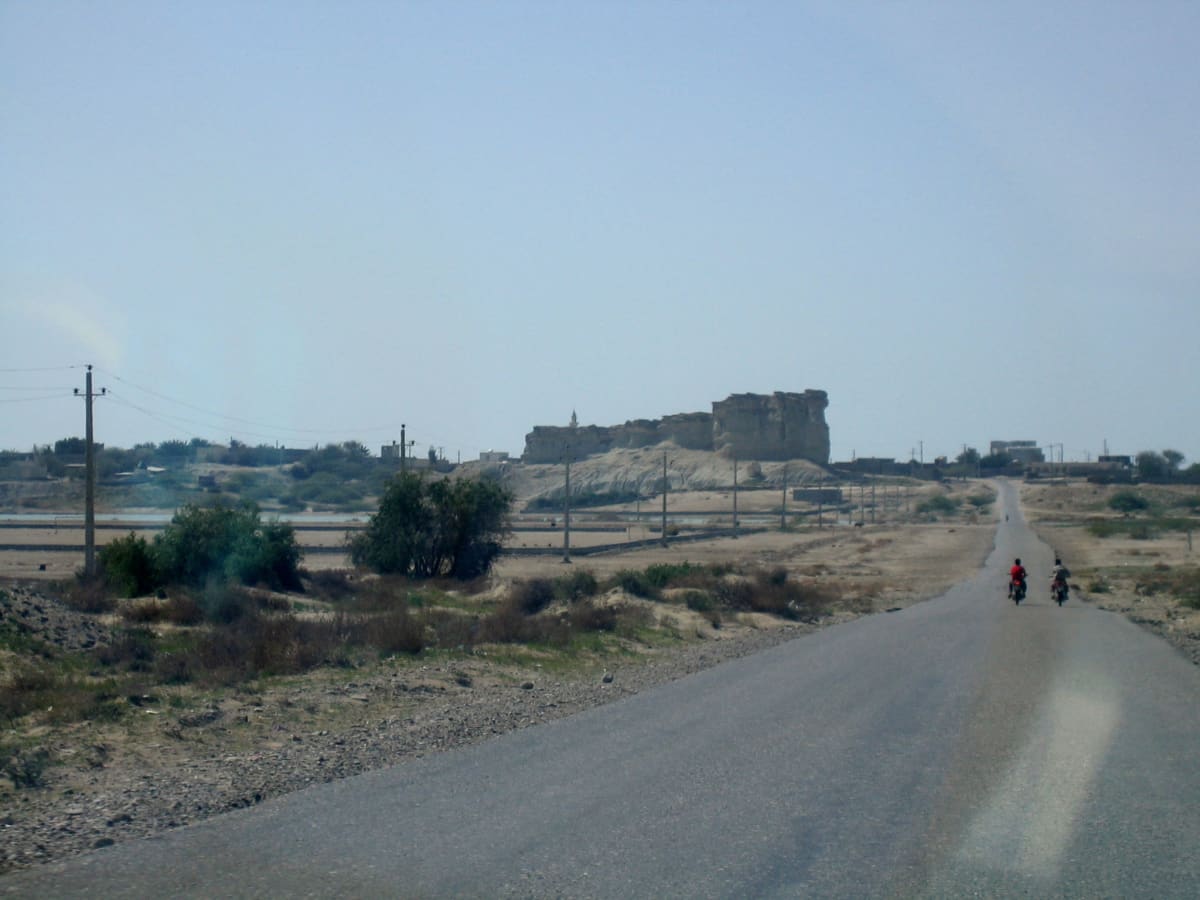
US Drone Strike on Iranian Wedding House in Kuhestak Leaves Four Dead

Incident Overview

On the morning of [date not specified], a U.S. drone strike targeted a residential building in the coastal town of Kuhestak, Iran. The structure was being used as a wedding venue when the strike hit, killing four people and injuring several others. Local authorities confirmed the casualties and reported extensive damage to the building, which collapsed partially under the impact.

Background of US‑Iran Tensions

  • Recent escalations: The strike follows a series of tit‑for‑tat actions between Washington and Tehran, including the killing of Iranian commanders in Syria and Iranian attacks on U.S. assets in the Middle East.
  • Strategic rationale: U.S. officials have repeatedly stated that such operations aim to neutralise individuals linked to attacks on American personnel, even if they are embedded within civilian settings.
  • Historical precedent: Similar strikes have occurred in the past, notably the 2020 Baghdad International Airport attack and the 2022 drone hits on Iranian Revolutionary Guard facilities.

Human Cost and Local Impact

The victims were reportedly cousins of the bride‑groom, attending a private ceremony when the explosion occurred. Families gathered at the site, expressing shock and grief. The local hospital in Bandar Abbas was overwhelmed with the injured, many of whom suffered burns and shrapnel wounds.

  • Casualties: 4 dead, dozens injured.
  • Property loss: The wedding house, a modest two‑story structure, was rendered unusable.
  • Community response: Residents held an impromptu vigil, lighting candles and reciting prayers for the deceased.

International Reactions

  • Iranian government: Tehran condemned the strike as a blatant violation of sovereignty, promising “appropriate retaliation.”
  • U.S. administration: The Pentagon described the operation as “targeted” and claimed it was aimed at “high‑value militants,” refusing to comment on civilian casualties.
  • Global voices: The United Nations called for an independent investigation, while several European capitals urged restraint to avoid further civilian harm.

Strategic Implications

The incident underscores the blurred lines between counter‑terrorism operations and civilian safety in densely populated areas. Analysts note that such strikes risk fueling anti‑U.S. sentiment and could embolden extremist recruitment within Iran and the broader region. Moreover, the timing—coinciding with diplomatic overtures on the nuclear front—adds a layer of complexity to any potential negotiations.

Key Takeaways

  • Civilian protection remains a contested issue in modern drone warfare.
  • Escalation risk: Each strike raises the probability of reciprocal attacks, potentially spiralling into broader conflict.
  • Diplomatic leverage: The incident may weaken Tehran’s bargaining position in nuclear talks, yet also hardens its resolve to resist perceived aggression.
  • Humanitarian focus: Immediate medical aid and reconstruction assistance are crucial to prevent long‑term trauma in affected communities.

Looking Ahead

Both Washington and Tehran face a delicate balancing act: pursuing security objectives while avoiding a humanitarian crisis that could destabilise the already volatile Persian Gulf region. The Kuhestak strike serves as a stark reminder that the cost of conflict is often borne by ordinary citizens, and any path forward must reckon with that reality.


Original Reporting & Source: India Today Top Stories

Discussion (0)

Sign in to join the discussion.

No comments yet. Be the first to start the conversation!

| |

US Drone Strike on Iranian Wedding House in Kuhestak Leaves Four Dead

By Umang Sisodia • 3 min read • 11 views

Incident Overview

On the morning of [date not specified], a U.S. drone strike targeted a residential building in the coastal town of Kuhestak, Iran. The structure was being used as a wedding venue when the strike hit, killing four people and injuring several others. Local authorities confirmed the casualties and reported extensive damage to the building, which collapsed partially under the impact.

Background of US‑Iran Tensions

  • Recent escalations: The strike follows a series of tit‑for‑tat actions between Washington and Tehran, including the killing of Iranian commanders in Syria and Iranian attacks on U.S. assets in the Middle East.
  • Strategic rationale: U.S. officials have repeatedly stated that such operations aim to neutralise individuals linked to attacks on American personnel, even if they are embedded within civilian settings.
  • Historical precedent: Similar strikes have occurred in the past, notably the 2020 Baghdad International Airport attack and the 2022 drone hits on Iranian Revolutionary Guard facilities.

Human Cost and Local Impact

The victims were reportedly cousins of the bride‑groom, attending a private ceremony when the explosion occurred. Families gathered at the site, expressing shock and grief. The local hospital in Bandar Abbas was overwhelmed with the injured, many of whom suffered burns and shrapnel wounds.

  • Casualties: 4 dead, dozens injured.
  • Property loss: The wedding house, a modest two‑story structure, was rendered unusable.
  • Community response: Residents held an impromptu vigil, lighting candles and reciting prayers for the deceased.

International Reactions

  • Iranian government: Tehran condemned the strike as a blatant violation of sovereignty, promising “appropriate retaliation.”
  • U.S. administration: The Pentagon described the operation as “targeted” and claimed it was aimed at “high‑value militants,” refusing to comment on civilian casualties.
  • Global voices: The United Nations called for an independent investigation, while several European capitals urged restraint to avoid further civilian harm.

Strategic Implications

The incident underscores the blurred lines between counter‑terrorism operations and civilian safety in densely populated areas. Analysts note that such strikes risk fueling anti‑U.S. sentiment and could embolden extremist recruitment within Iran and the broader region. Moreover, the timing—coinciding with diplomatic overtures on the nuclear front—adds a layer of complexity to any potential negotiations.

Key Takeaways

  • Civilian protection remains a contested issue in modern drone warfare.
  • Escalation risk: Each strike raises the probability of reciprocal attacks, potentially spiralling into broader conflict.
  • Diplomatic leverage: The incident may weaken Tehran’s bargaining position in nuclear talks, yet also hardens its resolve to resist perceived aggression.
  • Humanitarian focus: Immediate medical aid and reconstruction assistance are crucial to prevent long‑term trauma in affected communities.

Looking Ahead

Both Washington and Tehran face a delicate balancing act: pursuing security objectives while avoiding a humanitarian crisis that could destabilise the already volatile Persian Gulf region. The Kuhestak strike serves as a stark reminder that the cost of conflict is often borne by ordinary citizens, and any path forward must reckon with that reality.


Original Reporting & Source: India Today Top Stories