Umang Sisodia • • 3 min read • 6 views
Tragedy in Madhya Pradesh: Four Brothers Die Within Days After Waterfall Trip
A Heart‑Wrenching Loss in Central India
In a shocking turn of events, four teenage boys from the same family in Madhya Pradesh passed away within ten days of returning from a weekend excursion to a local waterfall. The deaths have rattled the small community, raised urgent questions about rural healthcare, and sparked a broader debate on safety standards for adventure tourism in remote Indian locales.
Timeline of Events
| Date | Event |
|---|---|
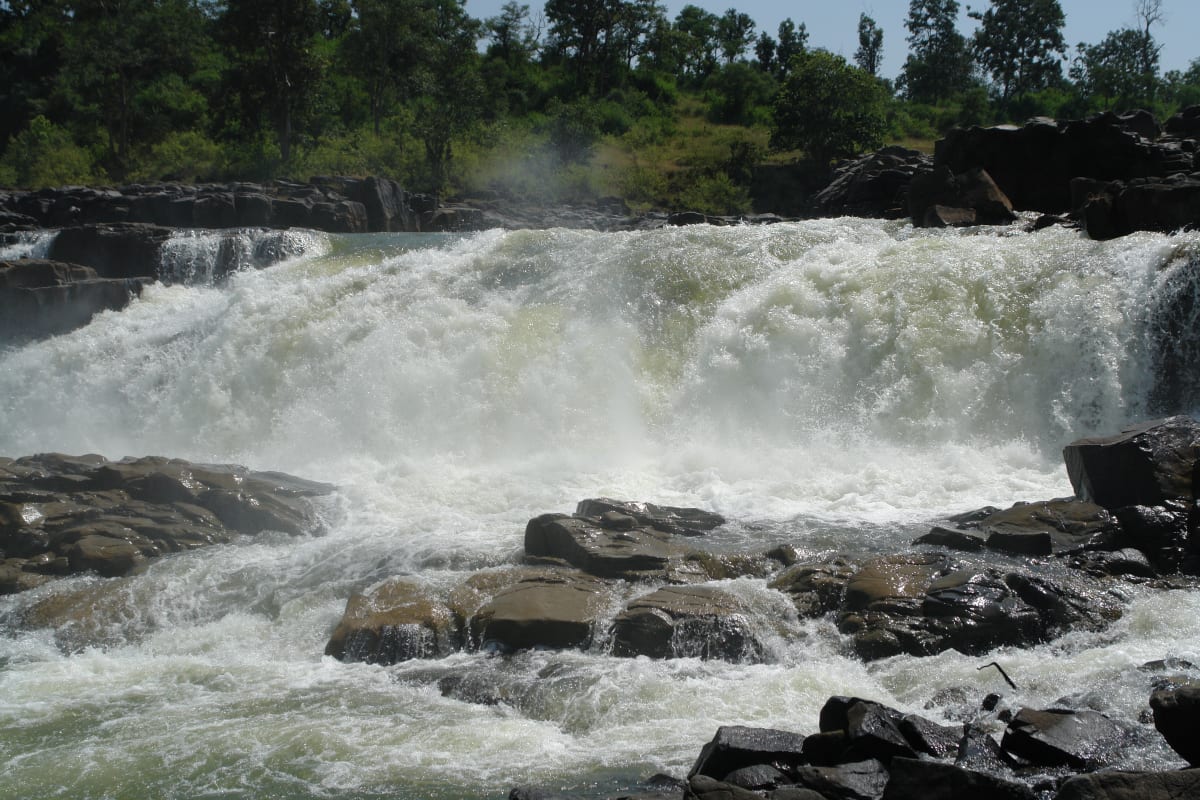
| Day 1 | The family of six, hailing from a village near Panna district, set out for a day‑trip to the Bhimkund waterfall. They spent the afternoon swimming and picnicking. |
| Day 2‑3 | The boys reported mild fever, headache, and stomach discomfort. Their parents attributed it to “exhaustion” and “sun exposure”. |
| Day 4 | Symptoms worsened; one boy was taken to the nearest primary health centre (PHC) in Satna, where he received oral rehydration salts and antipyretics. |
| Day 5‑7 | All four boys developed high‑grade fever, vomiting, and respiratory distress. The family rushed two of them to the district hospital in Satna; the other two remained at home under the care of a local health worker. |
| Day 8 | All four boys were admitted to the Satna District Hospital with suspected water‑borne infection and possible viral encephalitis. Despite aggressive treatment, the children succumbed to multi‑organ failure. |
| Day 10 | The bodies were returned to the village for last rites. Local authorities opened an inquiry. |
Possible Causes: What Went Wrong?
- Water‑borne Pathogens – The waterfall is fed by a seasonal river that often carries leptospira, E. coli, and Vibrio cholerae during the monsoon. Inadequate water testing and lack of signage warning visitors about potential contamination are common in remote sites.
- Delayed Medical Intervention – The nearest PHC is 12 km away, with limited diagnostic tools. The initial treatment focused on dehydration rather than comprehensive infection screening.
- Lack of Emergency Transport – The family relied on a local tractor‑trolley for transport, which delayed critical care. Ambulance services in the district have a response time of over two hours.
- Underlying Health Vulnerabilities – Rural children often suffer from malnutrition and iron‑deficiency anemia, weakening their immune response to infections.
Broader Implications
- Tourism Safety: While adventure tourism is being promoted to boost local economies, there is a glaring need for risk assessments, visitor education, and basic medical facilities at popular natural sites.
- Healthcare Gaps: The tragedy underscores systemic deficiencies in primary health infrastructure—from lack of laboratory capabilities to insufficient trained personnel.
- Policy Recommendations:
- Install real‑time water quality monitoring stations at tourist waterfalls.
- Deploy mobile health units during peak tourist seasons.
- Mandate first‑aid training for local guides and community volunteers.
- Strengthen ambulance networks with GPS‑enabled dispatch.
Community Response
Villagers have organized a memorial march demanding better medical facilities and stricter safety protocols for tourist spots. Local NGOs are raising funds to set up a community health kiosk equipped with basic diagnostic kits.
The loss of these four young lives is a stark reminder that adventure should never come at the cost of safety. As Madhya Pradesh strives to showcase its natural beauty, a parallel commitment to health and security must be cemented to prevent such tragedies from recurring.
If you or someone you know has experienced a similar incident, consider reaching out to the Madhya Pradesh State Health Mission for support and guidance.
Original Reporting & Source: India Today Top Stories

Discussion (0)
Sign in to join the discussion.
No comments yet. Be the first to start the conversation!