Umang Sisodia • • 3 min read • 6 views

South Africa Reinstates Envoy Amid Zuma‑Gupta Temple Controversy in India
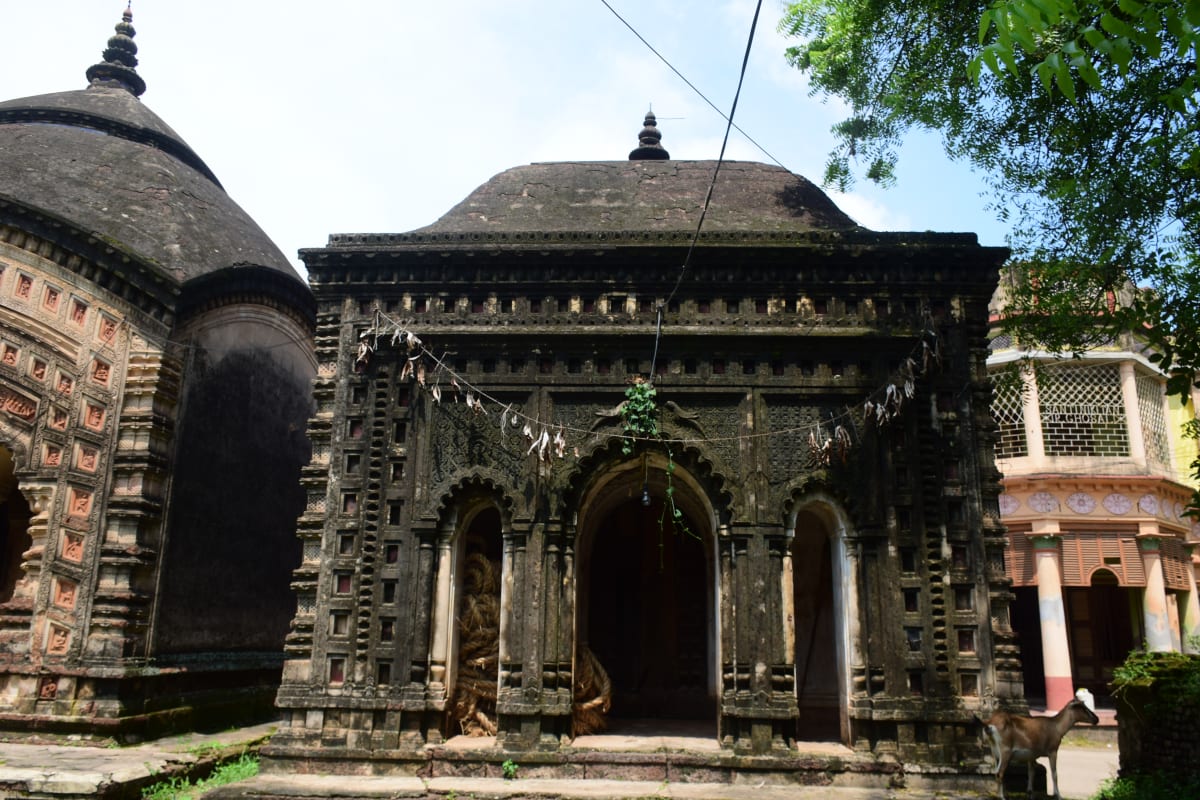
South Africa Reinstates Envoy Amid Zuma‑Gupta Temple Controversy in India

Background

In early September 2024, a diplomatic flashpoint erupted when a South African envoy attended a religious ceremony in India that featured Jacob Zuma, the former South African president, and members of the controversial Gupta family. The event, held at a prominent Hindu temple in New Delhi, sparked a wave of criticism both in South Africa and abroad, reigniting debates over the Gupta‑Zuma nexus that once dominated South African politics.

The Temple Event

  • Date & Venue: The ceremony took place on 3 September at the historic ISKCON Temple in New Delhi.
  • Key Figures: Jacob Zuma, his close ally Mandla Gupta, and several senior members of the Gupta family were photographed participating in a traditional puja.
  • South African Representation: The South African High Commission’s Deputy High Commissioner, Mr. Thabo Mokoena, was present as the official envoy, handing over a ceremonial garland to the guests.

Diplomatic Fallout

The presence of the envoy was immediately flagged by opposition parties in South Africa, who argued that the government was tacitly endorsing the Gupta family, still under investigation for alleged state capture and corruption. Critics demanded the envoy’s removal, citing potential damage to South Africa’s international reputation.

Reactions in South Africa

  • Parliamentary Pressure: Members of the Democratic Alliance (DA) and Economic Freedom Fighters (EFF) lodged formal complaints, urging the President’s Office to act swiftly.
  • Public Outcry: Social media trended with hashtags such as #ZumaGuptaRow and #EnvoyRecall, reflecting widespread disapproval.
  • Government Response: The Department of International Relations and Cooperation (DIRCO) announced an internal review, emphasizing that the envoy’s attendance was a personal invitation, not a state‑sponsored endorsement.

India's Stance

India’s Ministry of External Affairs clarified that the temple event was a cultural gathering, not a diplomatic function. Indian officials stressed that the invitation was extended by private members of the Indian diaspora, and that the South African envoy’s presence was in line with standard diplomatic courtesy.

Analysis

The episode underscores the lingering sensitivities surrounding the Gupta‑Zuma saga. Even years after the Gupta family fled South Africa, any association with them can trigger diplomatic ripples. For South Africa, the incident is a reminder that its foreign service must navigate not only geopolitical interests but also the domestic political ramifications of perceived affiliations.

  • Reputation Management: Reinstating the envoy after a brief suspension signals a desire to contain the controversy without escalating diplomatic tensions.
  • Policy Implications: DIRCO may tighten protocols for future diplomatic engagements, ensuring that envoys are briefed on potential political baggage attached to private events.
  • Broader Lessons: The case illustrates how personal networks across continents can intersect with statecraft, demanding heightened vigilance from foreign ministries worldwide.

Takeaways

  1. Diplomatic prudence is essential when attending events with politically exposed persons.
  2. Domestic politics can shape foreign policy decisions, especially in democracies with active opposition.
  3. Transparent communication from both host and visiting nations can mitigate misunderstandings.

In the coming weeks, observers will watch how South Africa balances its diplomatic outreach to India with the need to uphold a clean image at home.


The story continues to develop as the internal review by DIRCO proceeds.


Original Reporting & Source: India Today Top Stories

Discussion (0)

Sign in to join the discussion.

No comments yet. Be the first to start the conversation!

| |

South Africa Reinstates Envoy Amid Zuma‑Gupta Temple Controversy in India

By Umang Sisodia • 3 min read • 6 views

Background

In early September 2024, a diplomatic flashpoint erupted when a South African envoy attended a religious ceremony in India that featured Jacob Zuma, the former South African president, and members of the controversial Gupta family. The event, held at a prominent Hindu temple in New Delhi, sparked a wave of criticism both in South Africa and abroad, reigniting debates over the Gupta‑Zuma nexus that once dominated South African politics.

The Temple Event

  • Date & Venue: The ceremony took place on 3 September at the historic ISKCON Temple in New Delhi.
  • Key Figures: Jacob Zuma, his close ally Mandla Gupta, and several senior members of the Gupta family were photographed participating in a traditional puja.
  • South African Representation: The South African High Commission’s Deputy High Commissioner, Mr. Thabo Mokoena, was present as the official envoy, handing over a ceremonial garland to the guests.

Diplomatic Fallout

The presence of the envoy was immediately flagged by opposition parties in South Africa, who argued that the government was tacitly endorsing the Gupta family, still under investigation for alleged state capture and corruption. Critics demanded the envoy’s removal, citing potential damage to South Africa’s international reputation.

Reactions in South Africa

  • Parliamentary Pressure: Members of the Democratic Alliance (DA) and Economic Freedom Fighters (EFF) lodged formal complaints, urging the President’s Office to act swiftly.
  • Public Outcry: Social media trended with hashtags such as #ZumaGuptaRow and #EnvoyRecall, reflecting widespread disapproval.
  • Government Response: The Department of International Relations and Cooperation (DIRCO) announced an internal review, emphasizing that the envoy’s attendance was a personal invitation, not a state‑sponsored endorsement.

India's Stance

India’s Ministry of External Affairs clarified that the temple event was a cultural gathering, not a diplomatic function. Indian officials stressed that the invitation was extended by private members of the Indian diaspora, and that the South African envoy’s presence was in line with standard diplomatic courtesy.

Analysis

The episode underscores the lingering sensitivities surrounding the Gupta‑Zuma saga. Even years after the Gupta family fled South Africa, any association with them can trigger diplomatic ripples. For South Africa, the incident is a reminder that its foreign service must navigate not only geopolitical interests but also the domestic political ramifications of perceived affiliations.

  • Reputation Management: Reinstating the envoy after a brief suspension signals a desire to contain the controversy without escalating diplomatic tensions.
  • Policy Implications: DIRCO may tighten protocols for future diplomatic engagements, ensuring that envoys are briefed on potential political baggage attached to private events.
  • Broader Lessons: The case illustrates how personal networks across continents can intersect with statecraft, demanding heightened vigilance from foreign ministries worldwide.

Takeaways

  1. Diplomatic prudence is essential when attending events with politically exposed persons.
  2. Domestic politics can shape foreign policy decisions, especially in democracies with active opposition.
  3. Transparent communication from both host and visiting nations can mitigate misunderstandings.

In the coming weeks, observers will watch how South Africa balances its diplomatic outreach to India with the need to uphold a clean image at home.


The story continues to develop as the internal review by DIRCO proceeds.


Original Reporting & Source: India Today Top Stories