Umang Sisodia • • 3 min read • 8 views

US Sanctions Hit Castro Grandson’s Energy Firm, Deepening Cuba’s Power Crisis
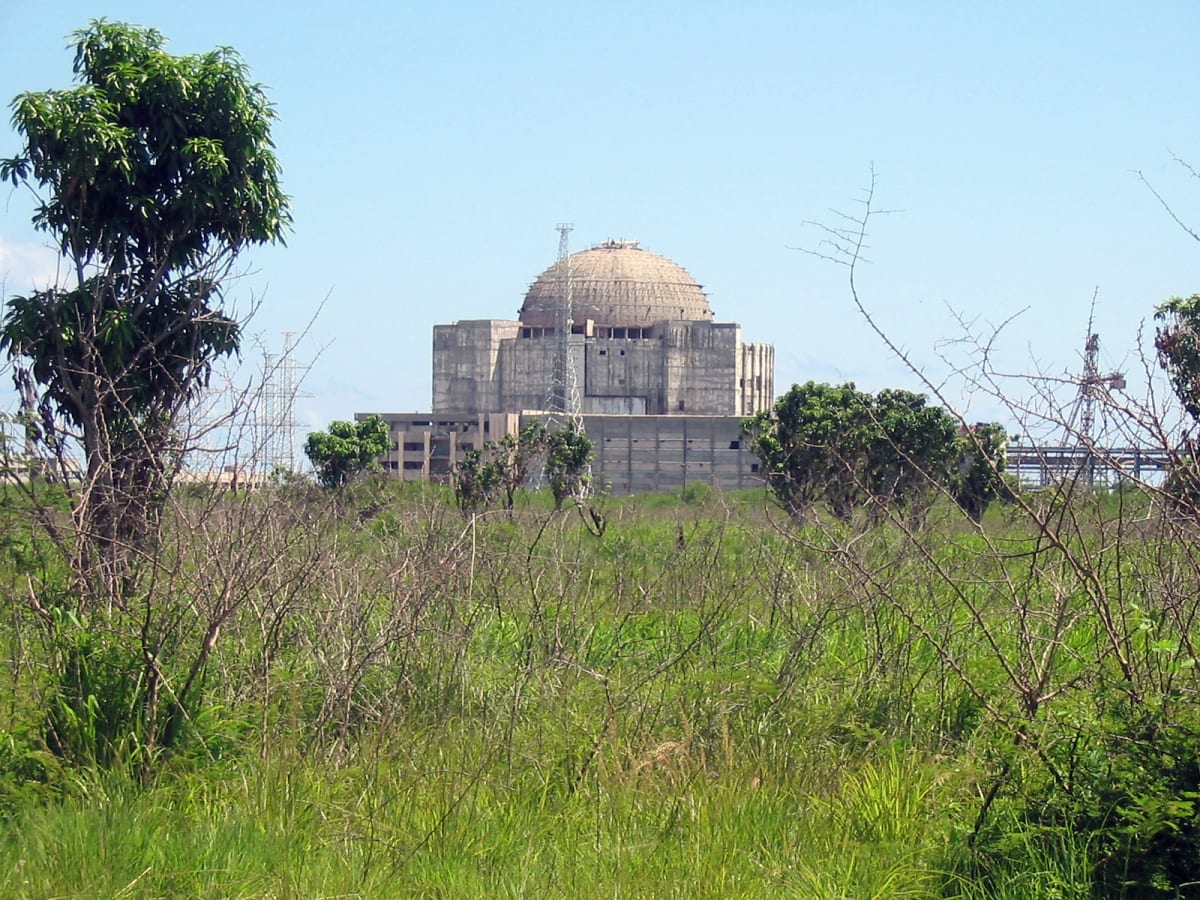
US Sanctions Hit Castro Grandson’s Energy Firm, Deepening Cuba’s Power Crisis

Overview

The United States has imposed sanctions on Alejandro Castro Ramos, the grandson of former Cuban leader Fidel Castro, and on Abapet, a state‑linked power generation company. The move comes amid a worsening electricity shortage that has left large swathes of Cuba in darkness. While the sanctions are framed as a response to alleged corruption and human‑rights concerns, analysts warn they could exacerbate an already fragile energy sector and deepen the daily hardships faced by ordinary Cubans.

Background: Cuba’s Chronic Energy Deficit

  • Aging infrastructure: Most of Cuba’s power plants were built in the 1970s and 1980s, relying heavily on imported diesel and outdated turbines.
  • Fuel shortages: U.S. embargoes and limited access to cheap oil have forced the island to ration fuel, leading to frequent load‑shedding.
  • Economic strain: The COVID‑19 pandemic slashed tourism revenue, cutting the government’s ability to invest in grid upgrades.
  • Political entanglements: Key energy assets are often linked to families of the revolutionary elite, blurring the line between state policy and personal profit.

The Sanctions Explained

The Office of Foreign Assets Control (OFAC) added Alejandro Castro Ramos and Abapet to the Specially Designated Nationals (SDN) list. This designation:

  1. Freezes any U.S.‑based assets held by the individuals or entities.
  2. Prohibits U.S. persons from conducting transactions with them.
  3. Signals to third‑party nations that dealing with the sanctioned parties could expose them to secondary penalties.

The U.S. Treasury justified the action by citing “corruption, illicit enrichment, and the perpetuation of a regime that suppresses fundamental freedoms.”

Immediate Impact on the Power Crisis

  • Reduced fuel imports: Abapet, which operates several diesel‑fuelled plants, now faces obstacles securing financing for fuel purchases.
  • Operational disruptions: Sanctioned executives are barred from traveling abroad, limiting their ability to negotiate technical assistance or procurement deals.
  • Public backlash: Residents of Havana, Santiago de Cuba, and smaller towns have reported longer black‑out periods, with streetlights flickering and hospitals relying on backup generators.

“Every night feels longer,” says María Gómez, a vendor in Old Havana, “we can’t keep food cold, and the kids can’t study after dark.”

Regional and Global Implications

  • Energy geopolitics: The sanctions may push Cuba to deepen ties with Russia, China, or Venezuela, countries less constrained by U.S. secondary sanctions, potentially reshaping the Caribbean’s power dynamics.
  • Humanitarian concerns: International NGOs warn that prolonged outages could compromise medical services and food safety, prompting calls for humanitarian exemptions.
  • Diplomatic signaling: By targeting a member of the Castro lineage, Washington underscores its willingness to pressure the regime’s inner circle, a tactic reminiscent of earlier sanctions on Venezuelan officials.

What Lies Ahead?

  • Potential exemptions: The U.S. could carve out narrow waivers for essential medical and humanitarian electricity needs.
  • Domestic reforms: The Cuban government may be forced to accelerate its long‑overdue grid modernization, perhaps by courting renewable‑energy partners.
  • Public sentiment: Continued power cuts risk fueling public dissent, which could influence future electoral dynamics or prompt policy shifts.

Takeaway

The sanctions against Alejandro Castro Ramos and Abapet are more than a symbolic strike; they intersect directly with Cuba’s chronic energy shortages. While the United States aims to pressure the regime on human‑rights grounds, the collateral damage falls on everyday Cubans who already endure frequent blackouts. The coming weeks will reveal whether diplomatic pressure can coexist with humanitarian imperatives, or whether the island’s power crisis will deepen into a broader socioeconomic crisis.


Original Reporting & Source: India Today Top Stories

Discussion (0)

Sign in to join the discussion.

No comments yet. Be the first to start the conversation!

| |

US Sanctions Hit Castro Grandson’s Energy Firm, Deepening Cuba’s Power Crisis

By Umang Sisodia • 3 min read • 8 views

Overview

The United States has imposed sanctions on Alejandro Castro Ramos, the grandson of former Cuban leader Fidel Castro, and on Abapet, a state‑linked power generation company. The move comes amid a worsening electricity shortage that has left large swathes of Cuba in darkness. While the sanctions are framed as a response to alleged corruption and human‑rights concerns, analysts warn they could exacerbate an already fragile energy sector and deepen the daily hardships faced by ordinary Cubans.

Background: Cuba’s Chronic Energy Deficit

  • Aging infrastructure: Most of Cuba’s power plants were built in the 1970s and 1980s, relying heavily on imported diesel and outdated turbines.
  • Fuel shortages: U.S. embargoes and limited access to cheap oil have forced the island to ration fuel, leading to frequent load‑shedding.
  • Economic strain: The COVID‑19 pandemic slashed tourism revenue, cutting the government’s ability to invest in grid upgrades.
  • Political entanglements: Key energy assets are often linked to families of the revolutionary elite, blurring the line between state policy and personal profit.

The Sanctions Explained

The Office of Foreign Assets Control (OFAC) added Alejandro Castro Ramos and Abapet to the Specially Designated Nationals (SDN) list. This designation:

  1. Freezes any U.S.‑based assets held by the individuals or entities.
  2. Prohibits U.S. persons from conducting transactions with them.
  3. Signals to third‑party nations that dealing with the sanctioned parties could expose them to secondary penalties.

The U.S. Treasury justified the action by citing “corruption, illicit enrichment, and the perpetuation of a regime that suppresses fundamental freedoms.”

Immediate Impact on the Power Crisis

  • Reduced fuel imports: Abapet, which operates several diesel‑fuelled plants, now faces obstacles securing financing for fuel purchases.
  • Operational disruptions: Sanctioned executives are barred from traveling abroad, limiting their ability to negotiate technical assistance or procurement deals.
  • Public backlash: Residents of Havana, Santiago de Cuba, and smaller towns have reported longer black‑out periods, with streetlights flickering and hospitals relying on backup generators.

“Every night feels longer,” says María Gómez, a vendor in Old Havana, “we can’t keep food cold, and the kids can’t study after dark.”

Regional and Global Implications

  • Energy geopolitics: The sanctions may push Cuba to deepen ties with Russia, China, or Venezuela, countries less constrained by U.S. secondary sanctions, potentially reshaping the Caribbean’s power dynamics.
  • Humanitarian concerns: International NGOs warn that prolonged outages could compromise medical services and food safety, prompting calls for humanitarian exemptions.
  • Diplomatic signaling: By targeting a member of the Castro lineage, Washington underscores its willingness to pressure the regime’s inner circle, a tactic reminiscent of earlier sanctions on Venezuelan officials.

What Lies Ahead?

  • Potential exemptions: The U.S. could carve out narrow waivers for essential medical and humanitarian electricity needs.
  • Domestic reforms: The Cuban government may be forced to accelerate its long‑overdue grid modernization, perhaps by courting renewable‑energy partners.
  • Public sentiment: Continued power cuts risk fueling public dissent, which could influence future electoral dynamics or prompt policy shifts.

Takeaway

The sanctions against Alejandro Castro Ramos and Abapet are more than a symbolic strike; they intersect directly with Cuba’s chronic energy shortages. While the United States aims to pressure the regime on human‑rights grounds, the collateral damage falls on everyday Cubans who already endure frequent blackouts. The coming weeks will reveal whether diplomatic pressure can coexist with humanitarian imperatives, or whether the island’s power crisis will deepen into a broader socioeconomic crisis.


Original Reporting & Source: India Today Top Stories