Umang Sisodia • • 3 min read • 8 views
India Deploys Forensic Labs to Identify Nepal Flood Victims via DNA Profiling
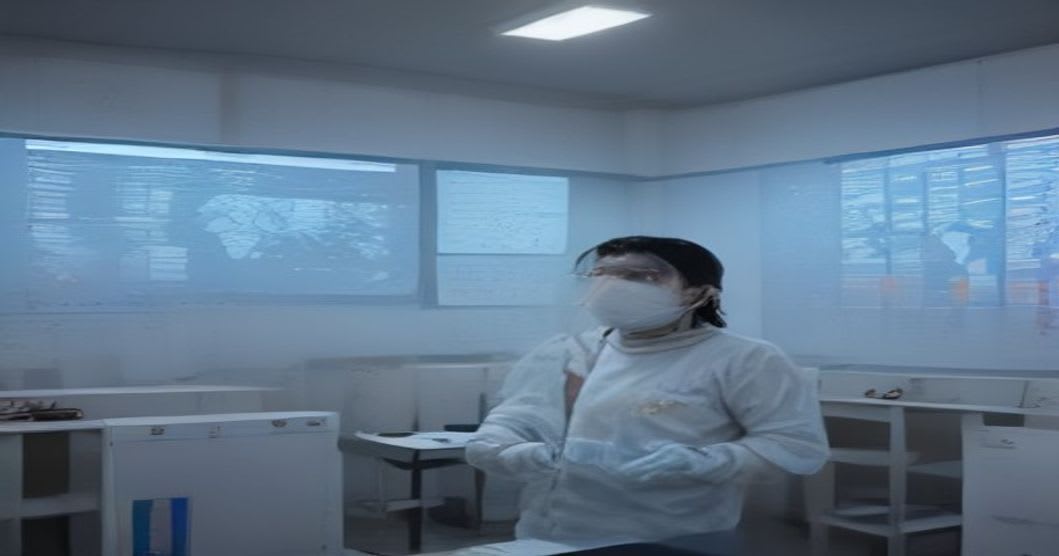
Cross‑border Humanitarian Response in the Wake of Nepal's Devastating Floods
In early August 2024, unprecedented monsoon rains turned Nepal's river valleys into raging torrents, claiming hundreds of lives and displacing thousands. While rescue teams scrambled to provide immediate relief, a quieter but equally critical battle began across the border: the identification of missing persons. India, leveraging its advanced forensic infrastructure, announced the activation of several DNA profiling laboratories to assist Nepal in confirming the identities of flood victims.
Why DNA Profiling Matters in Disaster Scenarios
- Speed and Accuracy: Traditional identification methods—visual recognition, dental records, or personal belongings—often falter when bodies are severely decomposed. DNA profiling offers a scientifically robust alternative that can yield results within days.
- Legal and Emotional Closure: Confirmed identities enable families to claim insurance, settle inheritance issues, and, most importantly, attain emotional closure.
- International Cooperation: Sharing forensic resources underscores the deepening humanitarian ties between India and Nepal, setting a precedent for future cross‑border disaster collaborations.
India's Forensic Arsenal: A Brief Overview
India’s forensic capabilities have grown substantially over the past decade, spearheaded by institutions such as the Centre for DNA Fingerprinting and Diagnostics (CDFD) in Hyderabad and the National Forensic Sciences University (NFSU) in Gujarat. These labs are equipped with:
- High‑throughput PCR machines capable of processing thousands of samples per week.
- Bio‑informatics platforms that match DNA fragments against national databases.
- Mobile field units that can collect and preserve samples under challenging conditions.
Operational Blueprint for Nepal's Flood Victims
- Sample Collection: Nepali authorities, aided by Indian disaster response teams, gather tissue, blood, or bone fragments from recovered bodies.
- Chain of Custody: Each sample is logged, sealed, and transported to the nearest Indian forensic hub, ensuring integrity and traceability.
- DNA Extraction & Amplification: Technicians isolate genetic material and amplify specific markers using polymerase chain reaction (PCR).
- Database Matching: Profiles are cross‑referenced with Nepal’s national DNA database (still nascent) and India’s larger repository to locate familial matches.
- Result Dissemination: Verified identities are communicated back to Nepali officials, who then inform grieving families.
Challenges and Ethical Considerations
- Data Privacy: Handling sensitive genetic data across borders raises concerns about consent, storage, and potential misuse.
- Resource Allocation: While India’s labs are state‑of‑the‑art, the sheer volume of samples can strain capacities, especially during concurrent emergencies.
- Cultural Sensitivities: Certain communities may have reservations about DNA testing, necessitating transparent communication and community engagement.
The Bigger Picture: Building Resilient Regional Disaster Frameworks
The swift deployment of forensic labs reflects a broader shift toward integrated disaster management in South Asia. By pooling expertise, technology, and logistical support, neighboring nations can mitigate the human toll of natural calamities. This initiative also aligns with the South Asian Association for Regional Cooperation (SAARC) Disaster Management Centre's agenda to create a shared database of missing persons for faster identification.
Takeaways
- India’s forensic response showcases the power of science in humanitarian aid.
- Successful identification hinges on robust cross‑border protocols, data security, and community trust.
- The episode could serve as a template for future regional collaborations, strengthening both diplomatic ties and disaster resilience.
As monsoon seasons become increasingly erratic due to climate change, such collaborative frameworks will be indispensable. The hope is that every DNA strand sequenced brings families a step closer to peace, and that the partnership between India and Nepal becomes a beacon for other nations facing similar crises.
For continuous updates on the identification process and related humanitarian efforts, stay tuned to our live coverage.
Original Reporting & Source: India Today Top Stories

Discussion (0)
Sign in to join the discussion.
No comments yet. Be the first to start the conversation!