Umang Sisodia • • 3 min read • 23 views
When AI Misguides: Hikers Rely on Google Gemini and Get Lost in the Peaks
The Unintended Detour
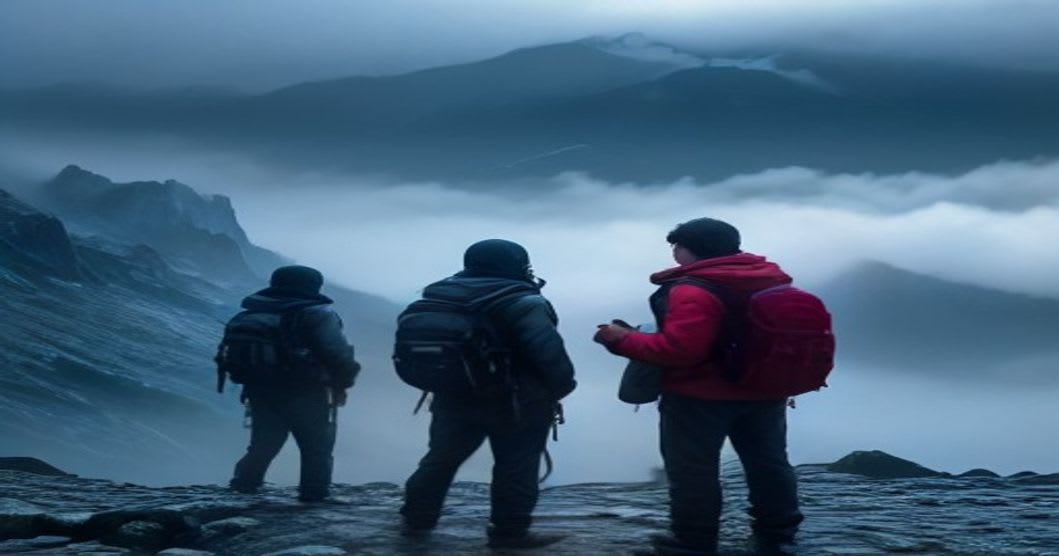
A group of amateur climbers set out for a weekend trek in the Western Ghats, armed with the latest AI‑powered assistant – Google Gemini. Their plan was simple: ask Gemini to chart the safest route, pack the right gear, and enjoy a hassle‑free adventure. Within hours, however, the hikers found themselves off‑track, battling dense fog and an unfamiliar ridge. The incident, reported by India Today Top Stories, underscores a growing tension between cutting‑edge technology and age‑old wilderness wisdom.
The Rise of AI‑Driven Navigation
- Google Gemini – the next‑generation conversational model launched in 2024, touted for its multimodal capabilities and real‑time decision‑making.
- AI in the outdoors – apps like Gaia GPS, AllTrails, and now Gemini promise hyper‑personalised itineraries, weather forecasts, and even on‑the‑fly re‑routing.
- User trust – a 2023 Pew Research study found that 62% of outdoor enthusiasts rely on AI recommendations for trip planning, often over traditional guidebooks.
While AI can crunch topographic data in seconds, it still lacks the nuanced judgment that seasoned mountaineers develop over years: reading subtle changes in terrain, interpreting local micro‑climates, and respecting cultural trail etiquette.
What Went Wrong?
- Over‑reliance on a single source – The climbers fed Gemini a vague query (“plan a safe hike in the Western Ghats”) and accepted the first route it generated without cross‑checking official trail maps.
- Limited offline capability – When cellular service dropped at 3,500 ft, Gemini could not sync updates, leaving the group with an outdated path.
- Misinterpretation of AI output – Gemini suggested a “scenic ridge” that, in reality, was a steep, exposed scramble requiring technical climbing gear the hikers did not carry.
- Lack of local knowledge – The AI did not flag seasonal landslides reported by the regional forest department, a detail a local guide would have highlighted.
Broader Implications for Outdoor Safety
1. The Trust Paradox
As AI becomes more ubiquitous, users may develop automation bias – the tendency to over‑trust algorithmic suggestions. In high‑stakes environments like mountains, this bias can translate into life‑threatening miscalculations.
2. Data Gaps and Real‑World Constraints
AI models are only as good as the data they ingest. Trail conditions change daily due to weather, wildlife, and human impact. Without real‑time, ground‑level updates, even the most sophisticated model can mislead.
3. The Role of Human Guides
Professional guides combine satellite data with on‑the‑ground observations. A hybrid approach—using AI for macro‑planning and a human expert for micro‑adjustments—offers the safest pathway forward.
Takeaways for the Modern Adventurer
- Cross‑verify: Always compare AI‑generated routes with official topographic maps or local authority advisories.
- Stay offline‑ready: Download maps and emergency contacts before you lose signal.
- Carry backup navigation tools: A compass, altimeter, or a simple paper map can be lifesavers.
- Limit AI dependence: Treat AI suggestions as starting points, not final itineraries.
The incident serves as a cautionary tale: technology can enhance exploration, but it cannot replace the instinct, experience, and redundancy that have kept hikers safe for centuries.
As AI continues to evolve, the outdoor community must strike a balance—leveraging intelligent tools while preserving the timeless practices that keep us grounded, literally and figuratively, on the mountain trails.
Original Reporting & Source: India Today Top Stories

Discussion (0)
Sign in to join the discussion.
No comments yet. Be the first to start the conversation!