Umang Sisodia • • 3 min read • 10 views
Two Workers Rescued from Flood‑Engulfed Trishuli Hydropower Tunnel: Nepal’s Ongoing Flood Crisis
Overview
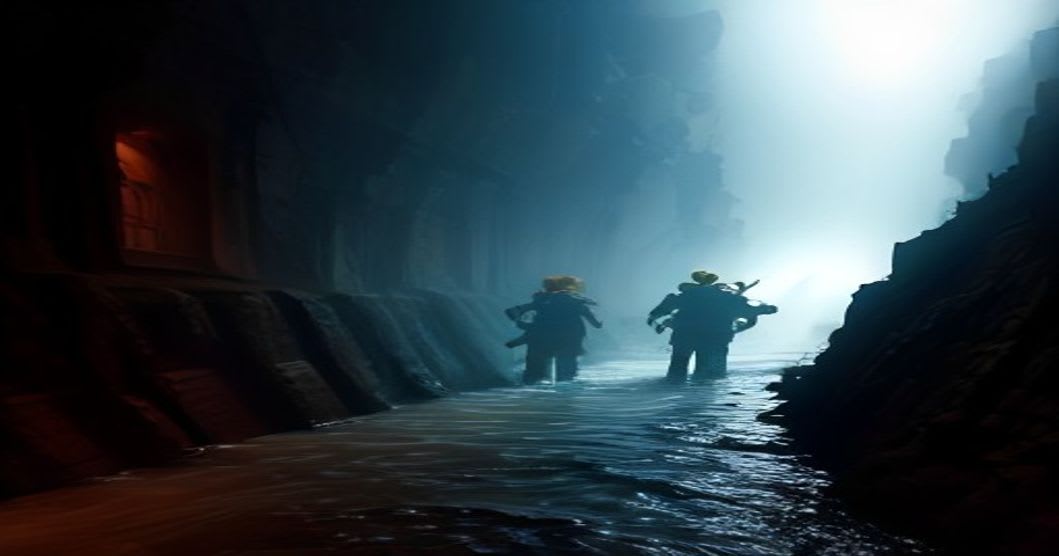
In early September 2024, torrential monsoon rains triggered unprecedented flooding across central Nepal. Among the many emergencies, two laborers were trapped inside the Trishuli Hydropower tunnel – a critical infrastructure project that supplies electricity to the Kathmandu Valley. Thanks to a coordinated rescue effort by local fire‑fighters, army engineers, and community volunteers, both workers emerged alive after hours of perilous extraction.
The Flood’s Fury
- Monsoon intensity: The 2024 monsoon season recorded a 30% increase in rainfall compared to the 30‑year average, swelling the Trishuli River beyond its banks.
- Geographic vulnerability: The Trishuli basin sits in a steep, tectonically active valley where landslides and flash floods are common.
- Human impact: Over 1,200 families were displaced in the districts of Nuwakot and Dhading, and dozens of roads were rendered impassable.
These conditions set the stage for the tunnel incident. Heavy rainwater seeped into the underground conduit, flooding the worksite and cutting off the two men who were conducting routine maintenance.
Inside the Trishuli Tunnel
The Trishuli Hydropower Project, a 72‑MW run‑of‑river plant, relies on a network of tunnels that channel water from the river to turbines. The tunnel where the workers were trapped is approximately 1.2 km long, with limited ventilation and narrow access shafts. When floodwaters surged, the tunnel’s drainage pumps failed, and water levels rose to chest height within minutes.
- Safety protocols: While the project follows Nepal’s hydropower safety guidelines, the sudden flash flood overwhelmed early warning systems.
- Worker profile: Both rescued individuals are local contractors, aged 34 and 39, who have been employed on the project for over three years.
Rescue Operations
The rescue unfolded in three phases:
- Rapid assessment – Local fire‑fighters, equipped with portable sonar devices, located the workers within 30 minutes of the alarm.
- Water management – Army engineers deployed high‑capacity submersible pumps to lower water levels, buying precious time for the extraction.
- Extraction – Using a combination of inflatable rescue rafts and rope‑winch systems, the team lifted the men through a narrow access shaft. Medical personnel provided on‑site first‑aid before transporting them to the nearest field hospital.
The operation was praised for its swift inter‑agency coordination, a model that could inform future disaster response in Nepal’s mountainous terrain.
Broader Implications
Climate Resilience
The incident underscores the growing need for climate‑resilient infrastructure. Hydropower, while renewable, must be designed to withstand extreme weather events that are becoming more frequent due to global warming.
Policy Recommendations
- Upgrade early‑warning systems: Install real‑time water‑level sensors throughout tunnel networks.
- Strengthen training: Conduct regular joint drills for fire‑fighters, army engineers, and project contractors.
- Invest in flood‑proofing: Incorporate sealed bulkheads and redundant pump stations in future tunnel designs.
Takeaways
- The successful rescue of the two workers demonstrates Nepal’s improving emergency response capabilities.
- However, the broader flood crisis highlights systemic vulnerabilities that require urgent attention.
- By integrating climate adaptation measures into hydropower projects, Nepal can protect both its energy future and the lives of those who build it.
As monsoon rains continue to batter the Himalayas, the story of the Trishuli tunnel rescue serves as a stark reminder: infrastructure, people, and nature are inextricably linked, and preparedness is the only sustainable path forward.
Original Reporting & Source: India Today Top Stories

Discussion (0)
Sign in to join the discussion.
No comments yet. Be the first to start the conversation!