Umang Sisodia • • 3 min read • 12 views
Jantar Mantar Protest: FIR Filed Against Swatantra Bharadwaj Under POCSO, SC/ST Acts
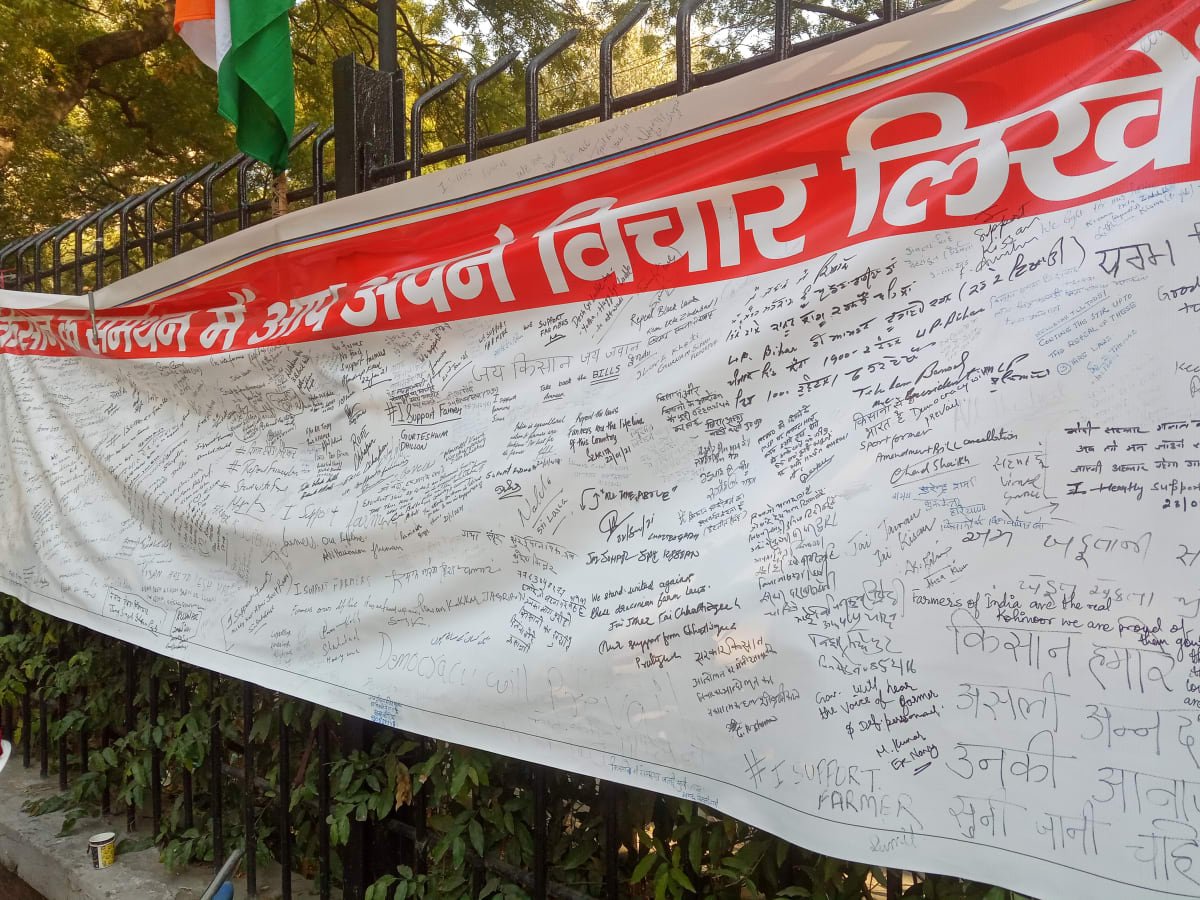
Overview
On [date], Delhi’s iconic Jantar Mantar became the epicentre of a fresh political flashpoint when authorities registered a First Information Report (FIR) against activist Swatantra Bharadwaj. The FIR, unusually, invoked not only the Protection of Children from Sexual Offences (POCSO) Act but also incorporated sections of the SC/ST (Prevention of Atrocities) Act. The move has ignited a heated debate over the use of stringent laws to curb dissent, raising questions about civil liberties, the role of the judiciary, and the political climate ahead of upcoming elections.
Timeline of Events
- Morning, 10 AM – A group of activists, led by Swatantra Bharadwaj, began a sit‑in at Jantar Mantar demanding the release of political prisoners.
- Afternoon, 2 PM – Police issued a notice to disperse. The protestors refused, citing constitutional rights.
- Evening, 5 PM – Delhi Police filed an FIR under the POCSO Act, alleging alleged misconduct against a minor present at the protest. Simultaneously, sections of the SC/ST Act were added, accusing the protestors of “atrocious behaviour” towards a Dalit participant.
- Night, 9 PM – Bharadwaj’s legal team filed a petition in the Delhi High Court, claiming the FIR is a politically motivated attempt to stifle dissent.
Legal Angles
POCSO Act
The POCSO Act (2012) is a child‑friendly law aimed at protecting children from sexual offences. Its inclusion in the FIR is controversial because the alleged incident reportedly involved a verbal altercation, not a sexual crime. Critics argue that the law is being weaponised to create a criminal narrative where none exists.
SC/ST (Prevention of Atrocities) Act
The SC/ST Act (1989) seeks to prevent atrocities against Scheduled Castes and Scheduled Tribes. Adding this provision suggests that a Dalit individual may have been harassed during the protest. While the police claim a complaint was lodged, civil‑rights groups contend the complaint was fabricated to add a layer of legal severity.
Political Context
The protest aligns with a broader wave of dissent against the ruling government’s policies on civil liberties and minority rights. With state elections looming in several Indian states, opposition leaders are capitalising on the Jantar Mantar platform to rally support. The FIR’s dual‑act approach could be interpreted as a pre‑emptive crackdown to deter future mass mobilisations.
Reactions
- Opposition Parties – Accused the government of “misusing child protection laws for political ends”.
- Human Rights NGOs – Urged the judiciary to scrutinise the FIR for procedural irregularities and demanded an independent inquiry.
- Legal Experts – Highlighted that filing an FIR under two unrelated statutes may violate the principle of lex specialis and could be struck down if proven malicious.
What Lies Ahead?
The Delhi High Court’s decision on the petition will set a precedent for how aggressively the state can invoke protective statutes against political protest. If the court dismisses the FIR, it could embolden activists and signal a check on executive overreach. Conversely, an up‑holding of the FIR may usher in a stricter legal environment for dissent, potentially chilling democratic expression.
Takeaways
- The FIR’s dual‑act nature underscores a growing trend of legal over‑reach in political protests.
- Judicial scrutiny will be pivotal in balancing child‑protection statutes with fundamental rights.
- The episode reflects the heightened stakes of political mobilisation ahead of upcoming elections.
This article provides an independent analysis of the Jantar Mantar protest FIR. All facts are based on publicly available reports and court filings.
Original Reporting & Source: India Today Top Stories

Discussion (0)
Sign in to join the discussion.
No comments yet. Be the first to start the conversation!