Umang Sisodia • • 3 min read • 10 views

Tragedy Strikes Dahi Handi: One Dead, 42 Injured as Human Pyramids Topple in Maharashtra
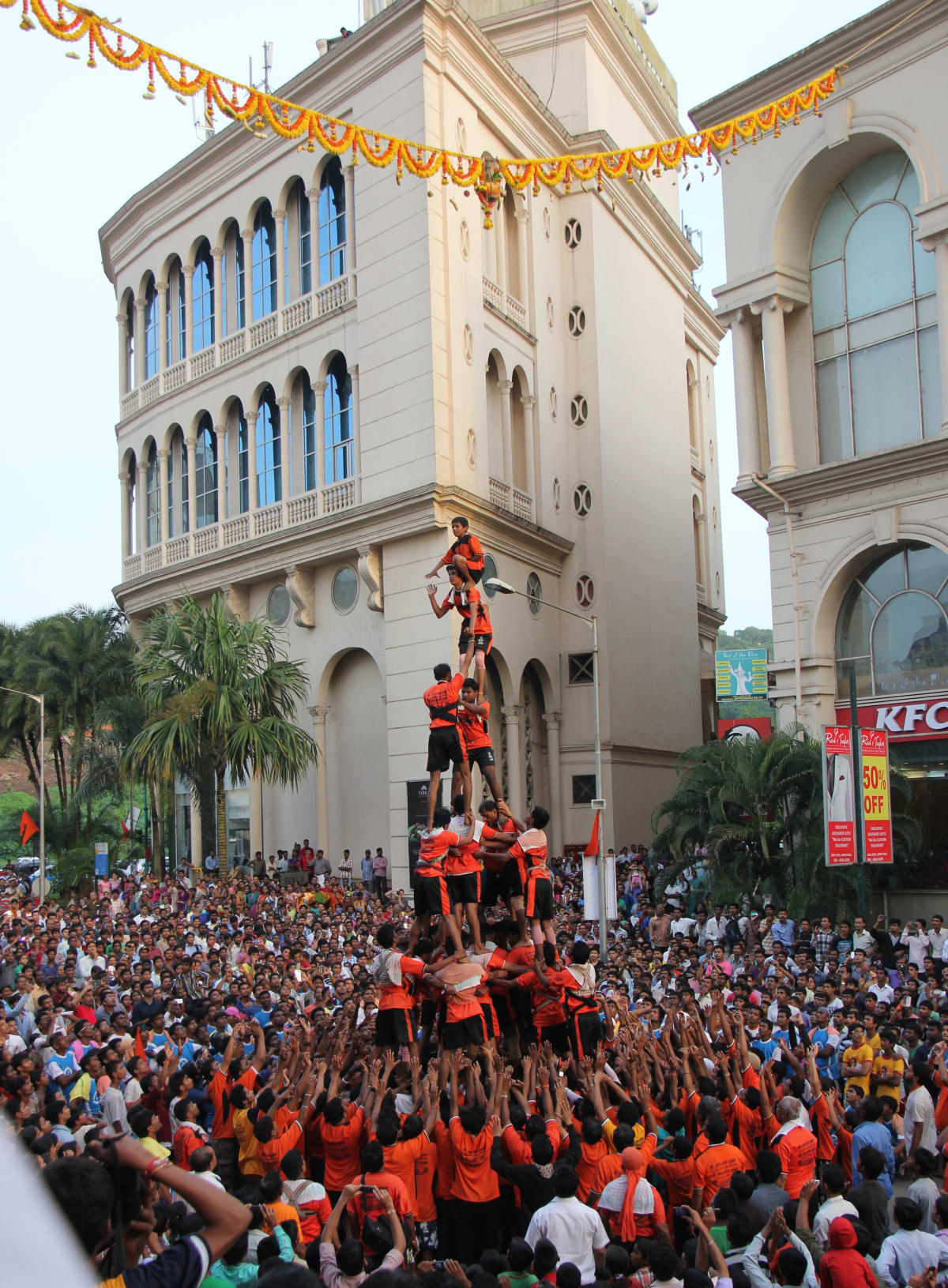
Tragedy Strikes Dahi Handi: One Dead, 42 Injured as Human Pyramids Topple in Maharashtra

A Fatal Turn in a Beloved Festival

On the bustling streets of Maharashtra, the traditional Dahi Handi celebrations turned grim when a 32‑year‑old woman was crushed to death and 42 participants (Govindas) suffered injuries ranging from minor bruises to broken bones. The incident unfolded during the evening rush of the Govinda human‑pyramid competitions, a hallmark of the Janmashtami festivities that commemorate Lord Krishna’s childhood.


What is Dahi Handi?

  • Cultural Roots: Originates from the legend of Lord Krishna stealing butter (dahi) from hanging pots.
  • Modern Practice: Youth groups form towering human pyramids to reach a pot suspended high above the ground, often filled with curd, milk, and sweets.
  • Scale: In major cities like Mumbai, Pune, and Nagpur, dozens of teams compete, drawing crowds of thousands and attracting corporate sponsorships.

The Day’s Sequence of Events

  1. Evening Preparations – Teams assembled in the early evening, rehearsing their formations while local vendors sold snacks and soft drinks.
  2. The Collapse – As a five‑tier pyramid attempted to reach the pot, the middle tier gave way. The woman, who was part of the base, was crushed under the weight of the upper tiers.
  3. Emergency Response – Ambulances arrived within minutes, but the sheer number of injured strained the local hospitals. Police cordoned off the area and began an investigation.
  4. After‑math – The pot was retrieved, but the celebratory mood vanished. Organisers announced a temporary halt to the event pending safety reviews.

Why Do Such Accidents Happen?

  • Lack of Standardized Safety Protocols – While some municipalities issue permits and require safety gear, many events operate under informal guidelines.
  • Competitive Pressure – Teams vie for the biggest pot and the highest prize money, pushing participants to attempt risky, higher pyramids.
  • Insufficient Supervision – Police and municipal officials often monitor only the crowd, leaving the actual pyramid formation unchecked.
  • Alcohol Consumption – Vendors sell liquor nearby, and intoxication can impair coordination among participants.

Government and Community Response

  • Immediate Action: The Maharashtra State Government ordered an inquiry, promising stricter enforcement of safety norms.
  • Proposed Measures:
    • Mandatory first‑aid kits and on‑site medical teams for every Dahi Handi site.
    • Maximum height limits for pyramids (no more than three tiers for untrained groups).
    • Safety briefings for participants, with a requirement for helmets and padded mats.
  • Long‑Term Vision: A state‑wide charter on festival safety, modeled after successful protocols in Gujarat’s Navratri celebrations.

Lessons for Future Celebrations

  • Balancing Tradition and Safety – Cultural heritage can thrive when modern risk‑management practices are woven into the festivities.
  • Community Involvement – Local NGOs and schools can run awareness drives, teaching safe pyramid techniques.
  • Technology Aid – Drone surveillance and crowd‑density analytics could help officials monitor unsafe crowd build‑ups in real time.

Takeaway

The tragic loss of a life during Dahi Handi is a stark reminder that celebration should never compromise safety. As Maharashtra revisits its festival protocols, the hope is that future Janmashtami events will retain their joyous spirit without risking the well‑being of participants.


Stay informed on safety updates and support initiatives that aim to protect our cultural traditions.


Original Reporting & Source: India Today Top Stories

Discussion (0)

Sign in to join the discussion.

No comments yet. Be the first to start the conversation!

| |

Tragedy Strikes Dahi Handi: One Dead, 42 Injured as Human Pyramids Topple in Maharashtra

By Umang Sisodia • 3 min read • 10 views

A Fatal Turn in a Beloved Festival

On the bustling streets of Maharashtra, the traditional Dahi Handi celebrations turned grim when a 32‑year‑old woman was crushed to death and 42 participants (Govindas) suffered injuries ranging from minor bruises to broken bones. The incident unfolded during the evening rush of the Govinda human‑pyramid competitions, a hallmark of the Janmashtami festivities that commemorate Lord Krishna’s childhood.


What is Dahi Handi?

  • Cultural Roots: Originates from the legend of Lord Krishna stealing butter (dahi) from hanging pots.
  • Modern Practice: Youth groups form towering human pyramids to reach a pot suspended high above the ground, often filled with curd, milk, and sweets.
  • Scale: In major cities like Mumbai, Pune, and Nagpur, dozens of teams compete, drawing crowds of thousands and attracting corporate sponsorships.

The Day’s Sequence of Events

  1. Evening Preparations – Teams assembled in the early evening, rehearsing their formations while local vendors sold snacks and soft drinks.
  2. The Collapse – As a five‑tier pyramid attempted to reach the pot, the middle tier gave way. The woman, who was part of the base, was crushed under the weight of the upper tiers.
  3. Emergency Response – Ambulances arrived within minutes, but the sheer number of injured strained the local hospitals. Police cordoned off the area and began an investigation.
  4. After‑math – The pot was retrieved, but the celebratory mood vanished. Organisers announced a temporary halt to the event pending safety reviews.

Why Do Such Accidents Happen?

  • Lack of Standardized Safety Protocols – While some municipalities issue permits and require safety gear, many events operate under informal guidelines.
  • Competitive Pressure – Teams vie for the biggest pot and the highest prize money, pushing participants to attempt risky, higher pyramids.
  • Insufficient Supervision – Police and municipal officials often monitor only the crowd, leaving the actual pyramid formation unchecked.
  • Alcohol Consumption – Vendors sell liquor nearby, and intoxication can impair coordination among participants.

Government and Community Response

  • Immediate Action: The Maharashtra State Government ordered an inquiry, promising stricter enforcement of safety norms.
  • Proposed Measures:
    • Mandatory first‑aid kits and on‑site medical teams for every Dahi Handi site.
    • Maximum height limits for pyramids (no more than three tiers for untrained groups).
    • Safety briefings for participants, with a requirement for helmets and padded mats.
  • Long‑Term Vision: A state‑wide charter on festival safety, modeled after successful protocols in Gujarat’s Navratri celebrations.

Lessons for Future Celebrations

  • Balancing Tradition and Safety – Cultural heritage can thrive when modern risk‑management practices are woven into the festivities.
  • Community Involvement – Local NGOs and schools can run awareness drives, teaching safe pyramid techniques.
  • Technology Aid – Drone surveillance and crowd‑density analytics could help officials monitor unsafe crowd build‑ups in real time.

Takeaway

The tragic loss of a life during Dahi Handi is a stark reminder that celebration should never compromise safety. As Maharashtra revisits its festival protocols, the hope is that future Janmashtami events will retain their joyous spirit without risking the well‑being of participants.


Stay informed on safety updates and support initiatives that aim to protect our cultural traditions.


Original Reporting & Source: India Today Top Stories