Umang Sisodia • • 3 min read • 7 views

Apoorva Mukhija Responds to NYU Donation Admission Allegations – A Deep Dive into Elite Access
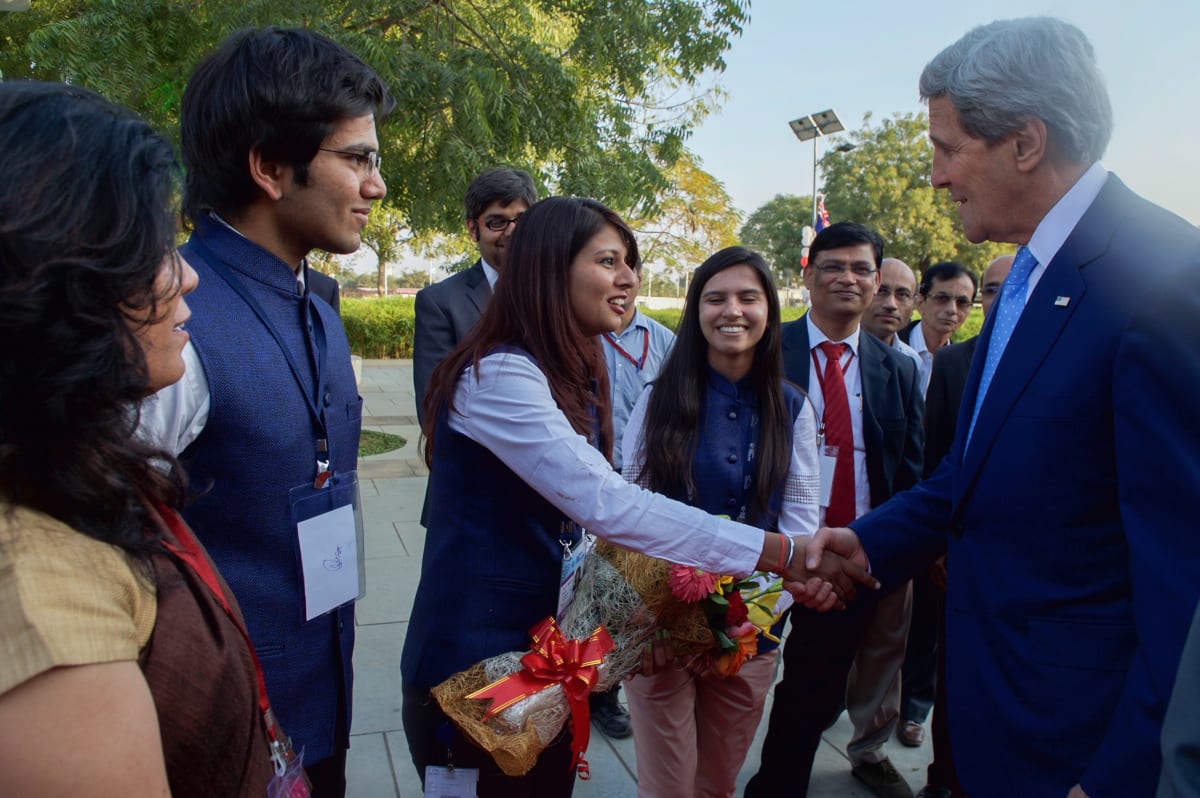
Apoorva Mukhija Responds to NYU Donation Admission Allegations – A Deep Dive into Elite Access

The Controversy in Brief

Apoorva Mukhija, a 21‑year‑old Indian student who recently secured a place at New York University (NYU), has publicly addressed swirling rumors that she bought her admission through a hefty donation. The claim, first circulated on social media platforms, suggested that Mukhija’s family paid a six‑figure sum to secure her spot, igniting a debate about merit, privilege, and the opaque nature of university fundraising.

What Mukhija Said

In a candid Instagram Live session, Mukhija broke her silence:

  • Denial of Donation: She categorically denied any monetary transaction linked to her admission, emphasizing that her acceptance was based on academic credentials, extracurricular achievements, and a strong personal statement.
  • Clarification of Financial Aid: Mukhija disclosed that she received a merit‑based scholarship covering a portion of tuition, but her family is still responsible for the remaining fees, which are being financed through a standard education loan.
  • Call for Responsible Reporting: She urged media outlets and netizens to verify facts before amplifying unverified claims, warning that such narratives can tarnish reputations and fuel xenophobic sentiments against Indian students abroad.

The Bigger Picture: Donation‑Based Admissions

While Mukhija’s case may be resolved, it shines a light on a broader, systemic issue:

  • Legacy and Donation Slots: Elite U.S. institutions, including NYU, maintain donor‑influenced admissions pathways. These are often opaque, allowing wealthy families to contribute large sums that can, directly or indirectly, improve a candidate’s odds.
  • Impact on International Students: For aspirants from developing economies, the perception that money trumps merit can be demoralising. It also fuels a narrative that Indian students are “cash‑rich” rather than academically accomplished.
  • Policy Responses: Some universities have pledged greater transparency. NYU, for instance, recently released a report outlining the proportion of its class admitted through merit versus donor‑influenced channels, though critics argue the data remains insufficiently granular.

Why the Story Resonates in India

  • Educational Aspirations: With a burgeoning middle class, studying abroad is a status symbol and a perceived gateway to better career prospects. Any hint of unfair advantage strikes a chord.
  • Political Overtones: The controversy has been seized upon by certain political factions to critique the Indian elite’s pursuit of foreign education, framing it as a symptom of systemic inequality.
  • Social Media Amplification: Platforms like Twitter and Instagram thrive on sensational headlines. The rapid spread of the donation rumor underscores the need for media literacy and responsible sharing.

Takeaways and Looking Forward

  1. Transparency is Key: Universities must continue to demystify their admissions processes, especially concerning donor influence.
  2. Fact‑Checking Culture: Readers should seek corroborated sources before accepting viral claims.
  3. Support for Genuine Talent: Scholarships and merit‑based aid should be expanded to ensure that bright minds, irrespective of financial background, can access world‑class education.

Apoorva Mukhija’s response may have quieted the immediate firestorm, but the underlying questions about equity, privilege, and the true cost of a global education remain unresolved. As the conversation evolves, stakeholders—from university administrators to policymakers—must grapple with these challenges to preserve the integrity of higher‑education pathways.


For more in‑depth analysis on admission controversies and international education trends, stay tuned to our weekly briefing.


Original Reporting & Source: India Today Top Stories

Discussion (0)

Sign in to join the discussion.

No comments yet. Be the first to start the conversation!

| |

Apoorva Mukhija Responds to NYU Donation Admission Allegations – A Deep Dive into Elite Access

By Umang Sisodia • 3 min read • 7 views

The Controversy in Brief

Apoorva Mukhija, a 21‑year‑old Indian student who recently secured a place at New York University (NYU), has publicly addressed swirling rumors that she bought her admission through a hefty donation. The claim, first circulated on social media platforms, suggested that Mukhija’s family paid a six‑figure sum to secure her spot, igniting a debate about merit, privilege, and the opaque nature of university fundraising.

What Mukhija Said

In a candid Instagram Live session, Mukhija broke her silence:

  • Denial of Donation: She categorically denied any monetary transaction linked to her admission, emphasizing that her acceptance was based on academic credentials, extracurricular achievements, and a strong personal statement.
  • Clarification of Financial Aid: Mukhija disclosed that she received a merit‑based scholarship covering a portion of tuition, but her family is still responsible for the remaining fees, which are being financed through a standard education loan.
  • Call for Responsible Reporting: She urged media outlets and netizens to verify facts before amplifying unverified claims, warning that such narratives can tarnish reputations and fuel xenophobic sentiments against Indian students abroad.

The Bigger Picture: Donation‑Based Admissions

While Mukhija’s case may be resolved, it shines a light on a broader, systemic issue:

  • Legacy and Donation Slots: Elite U.S. institutions, including NYU, maintain donor‑influenced admissions pathways. These are often opaque, allowing wealthy families to contribute large sums that can, directly or indirectly, improve a candidate’s odds.
  • Impact on International Students: For aspirants from developing economies, the perception that money trumps merit can be demoralising. It also fuels a narrative that Indian students are “cash‑rich” rather than academically accomplished.
  • Policy Responses: Some universities have pledged greater transparency. NYU, for instance, recently released a report outlining the proportion of its class admitted through merit versus donor‑influenced channels, though critics argue the data remains insufficiently granular.

Why the Story Resonates in India

  • Educational Aspirations: With a burgeoning middle class, studying abroad is a status symbol and a perceived gateway to better career prospects. Any hint of unfair advantage strikes a chord.
  • Political Overtones: The controversy has been seized upon by certain political factions to critique the Indian elite’s pursuit of foreign education, framing it as a symptom of systemic inequality.
  • Social Media Amplification: Platforms like Twitter and Instagram thrive on sensational headlines. The rapid spread of the donation rumor underscores the need for media literacy and responsible sharing.

Takeaways and Looking Forward

  1. Transparency is Key: Universities must continue to demystify their admissions processes, especially concerning donor influence.
  2. Fact‑Checking Culture: Readers should seek corroborated sources before accepting viral claims.
  3. Support for Genuine Talent: Scholarships and merit‑based aid should be expanded to ensure that bright minds, irrespective of financial background, can access world‑class education.

Apoorva Mukhija’s response may have quieted the immediate firestorm, but the underlying questions about equity, privilege, and the true cost of a global education remain unresolved. As the conversation evolves, stakeholders—from university administrators to policymakers—must grapple with these challenges to preserve the integrity of higher‑education pathways.


For more in‑depth analysis on admission controversies and international education trends, stay tuned to our weekly briefing.


Original Reporting & Source: India Today Top Stories