Umang Sisodia • • 4 min read • 20 views

Pete Hegseth Threatens Iran: US Vows to Sink Oil Tankers if Navy Attacked
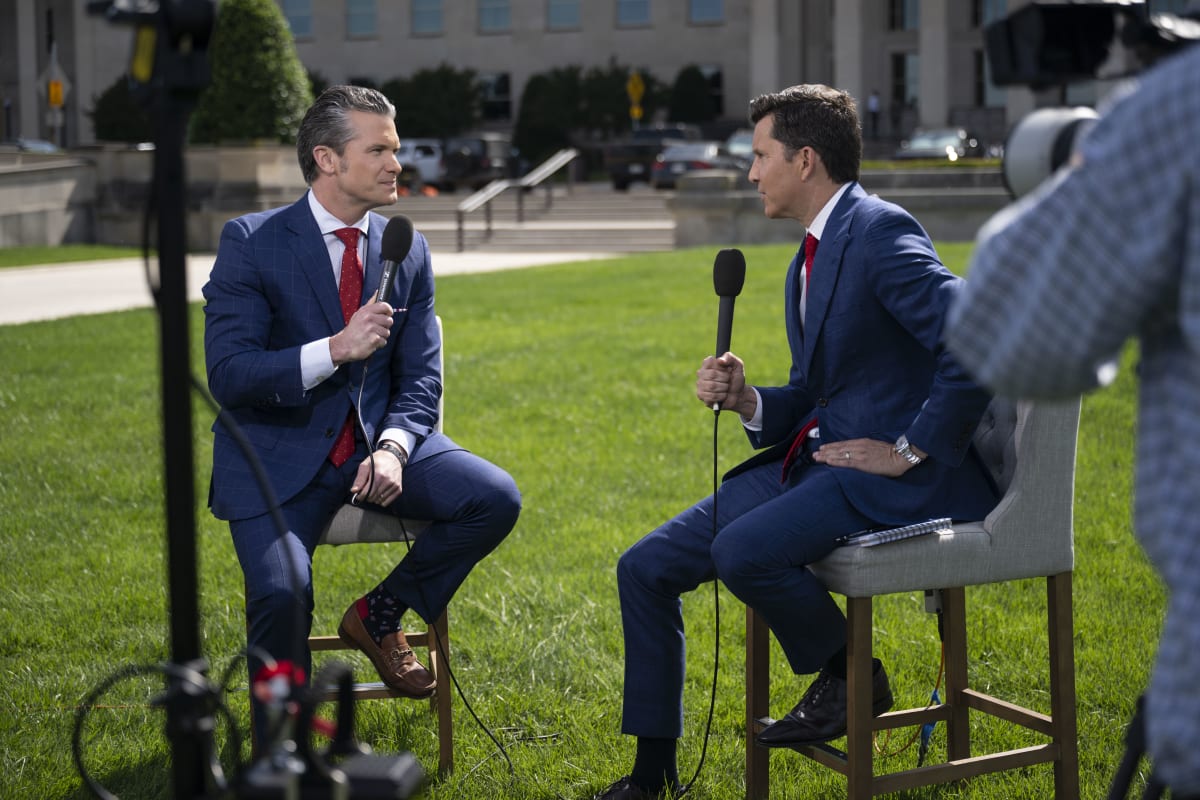
Pete Hegseth Threatens Iran: US Vows to Sink Oil Tankers if Navy Attacked

Overview

In a stark warning that reverberated across diplomatic circles and financial markets, conservative commentator Pete Hegseth declared that the United States would sink Iranian oil tankers should Tehran target American naval vessels. The statement, aired on a popular talk‑show and amplified by social media, adds another volatile layer to an already fraught US‑Iran relationship, especially as both sides jockey for control over the strategic Strait of Hormuz.


Who Is Pete Hegseth?

  • Background: Former U.S. Army Ranger, veteran of the Iraq and Afghanistan wars; now a media personality on Fox News and a frequent guest on right‑leaning podcasts.
  • Influence: Though not a government official, Hegseth commands a sizable audience of conservative viewers and often frames security debates in stark, binary terms.
  • Relevance: His statements are routinely cited by policymakers and pundits alike, making his rhetoric a bellwether for broader partisan sentiment.

The Warning

"If Iran dares to fire on a U.S. Navy ship, we will sink every Iranian oil tanker that comes our way," Hegseth said during a live interview on [Show Name].

Key points from the interview:

  • Immediate retaliation: Hegseth suggested a rapid, kinetic response targeting commercial vessels that supply Tehran’s war machine.
  • Strategic leverage: By threatening oil tankers, the U.S. would aim to choke Iran’s revenue stream, which heavily depends on oil exports.
  • Escalation risk: The comment underscores a willingness to expand the conflict beyond military assets to economic targets.

Historical Context

Year Event Outcome
2019 U.S. attacks on Iranian-backed militia vessels in the Gulf of Oman Heightened tensions, but no direct U.S.–Iran war.
2020 Killing of Qasem Soleimani Triggered Iranian missile strikes on U.S. bases in Iraq.
2022 Iranian drone attacks on tankers near the Strait of Hormuz Prompted temporary U.S. naval escorts.

These incidents illustrate a pattern: Iran uses asymmetric maritime tactics to pressure the U.S., while Washington responds with calibrated shows of force.


Strategic Implications

  • Naval doctrine: Sinking commercial vessels would mark a departure from the long‑standing principle of distinguishing combatants from civilians under international law.
  • Deterrence vs. escalation: While the threat may deter Iranian aggression, it also raises the specter of a broader maritime war that could draw in regional actors like Saudi Arabia, the UAE, and even China.
  • Legal ramifications: Targeting civilian oil tankers could be deemed an act of piracy or war crime, potentially inviting UN Security Council scrutiny.

Global Oil Market Impact

  • Price volatility: Even the suggestion of tanker sinkings can spike Brent crude by $5‑$10 per barrel, as traders price in supply‑chain disruptions.
  • Insurance premiums: Shipping insurers would likely raise war‑risk premiums for vessels transiting the Hormuz corridor, adding cost to global trade.
  • Strategic stockpiling: Nations reliant on Middle‑East oil may accelerate strategic petroleum reserve builds, further influencing demand.

Risks and Criticisms

  • Humanitarian concerns: Sinking tankers could endanger crew members from multiple nationalities, violating the safety of life at sea (SOLAS) conventions.
  • Economic backlash: A sudden drop in Iranian oil revenues could destabilize Iran’s already fragile economy, potentially fueling internal unrest that spills over borders.
  • Political pushback: Congressional leaders from both parties have warned that indiscriminate attacks on civilian vessels could erode U.S. moral authority.

Looking Ahead

  1. Diplomatic channels: Expect a flurry of back‑channel talks between Washington and Tehran, possibly mediated by European allies.
  2. Naval posture: The U.S. Fifth Fleet may increase patrols, but the Pentagon is likely to weigh the cost‑benefit of a “sink‑or‑let‑live” policy.
  3. Market monitoring: Energy analysts will keep a close eye on tanker traffic data (e.g., AIS signals) for any sudden changes in routing.

Takeaway: Hegseth’s warning is less a policy announcement and more a signal that a segment of the U.S. political establishment is prepared to escalate economic warfare against Iran. Whether this rhetoric translates into actionable strategy will depend on a complex calculus of international law, regional alliances, and the ever‑volatile oil market.


For readers seeking a deeper dive, see our linked dossier on U.S. naval rules of engagement and a timeline of Iran‑U.S. maritime confrontations.


Original Reporting & Source: India Today Top Stories

Discussion (0)

Sign in to join the discussion.

No comments yet. Be the first to start the conversation!

| |

Pete Hegseth Threatens Iran: US Vows to Sink Oil Tankers if Navy Attacked

By Umang Sisodia • 4 min read • 20 views

Overview

In a stark warning that reverberated across diplomatic circles and financial markets, conservative commentator Pete Hegseth declared that the United States would sink Iranian oil tankers should Tehran target American naval vessels. The statement, aired on a popular talk‑show and amplified by social media, adds another volatile layer to an already fraught US‑Iran relationship, especially as both sides jockey for control over the strategic Strait of Hormuz.


Who Is Pete Hegseth?

  • Background: Former U.S. Army Ranger, veteran of the Iraq and Afghanistan wars; now a media personality on Fox News and a frequent guest on right‑leaning podcasts.
  • Influence: Though not a government official, Hegseth commands a sizable audience of conservative viewers and often frames security debates in stark, binary terms.
  • Relevance: His statements are routinely cited by policymakers and pundits alike, making his rhetoric a bellwether for broader partisan sentiment.

The Warning

"If Iran dares to fire on a U.S. Navy ship, we will sink every Iranian oil tanker that comes our way," Hegseth said during a live interview on [Show Name].

Key points from the interview:

  • Immediate retaliation: Hegseth suggested a rapid, kinetic response targeting commercial vessels that supply Tehran’s war machine.
  • Strategic leverage: By threatening oil tankers, the U.S. would aim to choke Iran’s revenue stream, which heavily depends on oil exports.
  • Escalation risk: The comment underscores a willingness to expand the conflict beyond military assets to economic targets.

Historical Context

Year Event Outcome
2019 U.S. attacks on Iranian-backed militia vessels in the Gulf of Oman Heightened tensions, but no direct U.S.–Iran war.
2020 Killing of Qasem Soleimani Triggered Iranian missile strikes on U.S. bases in Iraq.
2022 Iranian drone attacks on tankers near the Strait of Hormuz Prompted temporary U.S. naval escorts.

These incidents illustrate a pattern: Iran uses asymmetric maritime tactics to pressure the U.S., while Washington responds with calibrated shows of force.


Strategic Implications

  • Naval doctrine: Sinking commercial vessels would mark a departure from the long‑standing principle of distinguishing combatants from civilians under international law.
  • Deterrence vs. escalation: While the threat may deter Iranian aggression, it also raises the specter of a broader maritime war that could draw in regional actors like Saudi Arabia, the UAE, and even China.
  • Legal ramifications: Targeting civilian oil tankers could be deemed an act of piracy or war crime, potentially inviting UN Security Council scrutiny.

Global Oil Market Impact

  • Price volatility: Even the suggestion of tanker sinkings can spike Brent crude by $5‑$10 per barrel, as traders price in supply‑chain disruptions.
  • Insurance premiums: Shipping insurers would likely raise war‑risk premiums for vessels transiting the Hormuz corridor, adding cost to global trade.
  • Strategic stockpiling: Nations reliant on Middle‑East oil may accelerate strategic petroleum reserve builds, further influencing demand.

Risks and Criticisms

  • Humanitarian concerns: Sinking tankers could endanger crew members from multiple nationalities, violating the safety of life at sea (SOLAS) conventions.
  • Economic backlash: A sudden drop in Iranian oil revenues could destabilize Iran’s already fragile economy, potentially fueling internal unrest that spills over borders.
  • Political pushback: Congressional leaders from both parties have warned that indiscriminate attacks on civilian vessels could erode U.S. moral authority.

Looking Ahead

  1. Diplomatic channels: Expect a flurry of back‑channel talks between Washington and Tehran, possibly mediated by European allies.
  2. Naval posture: The U.S. Fifth Fleet may increase patrols, but the Pentagon is likely to weigh the cost‑benefit of a “sink‑or‑let‑live” policy.
  3. Market monitoring: Energy analysts will keep a close eye on tanker traffic data (e.g., AIS signals) for any sudden changes in routing.

Takeaway: Hegseth’s warning is less a policy announcement and more a signal that a segment of the U.S. political establishment is prepared to escalate economic warfare against Iran. Whether this rhetoric translates into actionable strategy will depend on a complex calculus of international law, regional alliances, and the ever‑volatile oil market.


For readers seeking a deeper dive, see our linked dossier on U.S. naval rules of engagement and a timeline of Iran‑U.S. maritime confrontations.


Original Reporting & Source: India Today Top Stories