Umang Sisodia • • 3 min read • 7 views
Delhi Seizure of Misbranded Abhayrab Rabies Vaccine Sparks Regulatory Crackdown
A Wake‑Up Call for India’s Vaccine Oversight
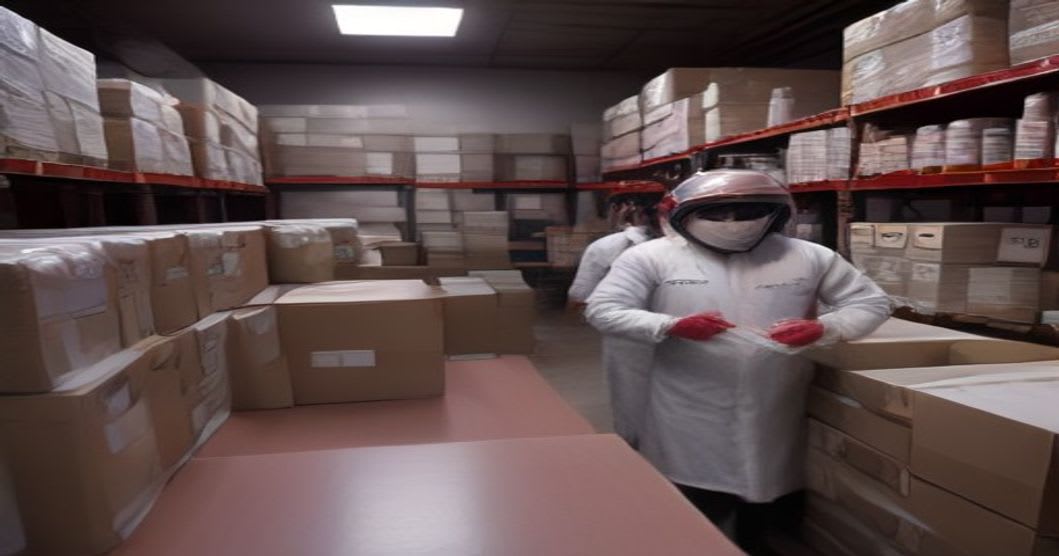
In early September 2024, officials of the Central Drugs Standard Control Organisation (CDSCO) seized a consignment of Abhayrab rabies vaccine in a Delhi warehouse, flagging it as misbranded and unapproved for human use. The high‑profile raid has reignited a debate over the robustness of India’s drug‑regulatory framework, especially as the country grapples with rising demand for animal‑health products and a lingering legacy of counterfeit medicines.
What Went Wrong?
- Misbranding – The labels on the Abhayrab vials claimed compliance with standards that the product had not met, including false batch numbers and expiry dates.
- Absence of Licences – The manufacturer, Abhay Pharma, did not possess a valid licence for producing rabies vaccines for human administration, a breach under the Drugs and Cosmetics Act.
- Supply‑Chain Lapses – The seized stock was destined for veterinary clinics across northern India, raising concerns that sub‑standard vaccines could reach both animal and human populations.
Regulatory Response
The CDSCO, in coordination with the Delhi Police’s Drug Enforcement Unit, launched a simultaneous inspection of the manufacturer’s other facilities. Key actions include:
- Immediate Recall – All Abhayrab batches in circulation have been ordered back.
- Provisional Suspension – The company’s manufacturing licence is suspended pending a detailed audit.
- Public Advisory – Health ministries have issued alerts urging veterinarians and pet owners to verify vaccine authenticity before administration.
Why Rabies Matters in India
Rabies remains a public‑health menace in India, accounting for an estimated 20,000 human deaths annually, the highest globally. Effective prophylaxis hinges on reliable vaccines, both for pre‑exposure (for high‑risk groups) and post‑exposure (after animal bites). A compromised vaccine supply could erode public confidence and potentially reverse hard‑won gains in rabies control.
The Bigger Picture: Drug Regulation in India
India’s pharmaceutical sector is the world’s third‑largest by volume, but regulatory enforcement has historically lagged behind.
- Resource Constraints – The CDSCO oversees over 1.5 million drug licences with limited manpower.
- Fragmented Oversight – Multiple agencies (state drug controllers, the Ministry of Health, and law‑enforcement) sometimes operate in silos, diluting accountability.
- Past Precedents – High‑profile seizures of counterfeit antibiotics and sub‑standard COVID‑19 vaccines have shown that the system can act decisively when political will aligns.
The Abhayrab case may serve as a catalyst for systemic reforms:
- Digital Tracking – Implementing QR‑code based traceability for every vaccine batch.
- Strengthened Audits – Mandatory third‑party inspections for manufacturers dealing with zoonotic diseases.
- Public‑Private Partnerships – Engaging industry bodies to co‑develop rapid‑response alert mechanisms.
Takeaways for Stakeholders
- Veterinarians should verify batch numbers against the CDSCO portal before administering any rabies vaccine.
- Pet Owners are urged to demand proof of authenticity and retain vaccination certificates.
- Policy Makers must prioritize funding for regulatory technology and expand the CDSCO’s inspection workforce.
- Consumers can contribute by reporting suspicious drug packaging to the National Consumer Helpline (1800‑11‑4000).
The Delhi seizure underscores a stark reality: vaccine safety is only as strong as the regulatory net that catches the misbranded and the counterfeit. As India moves toward a more resilient health‑security architecture, vigilance at every link—manufacturing, distribution, and administration—will be the decisive factor in safeguarding public health.
Stay informed, stay safe.
Original Reporting & Source: India Today Top Stories

Discussion (0)
Sign in to join the discussion.
No comments yet. Be the first to start the conversation!