Umang Sisodia • • 3 min read • 15 views
Iran Accuses US of Tying Sirik Wedding Attack to Minab School Bombing
Tehran’s Narrative: Linking Two Tragedies
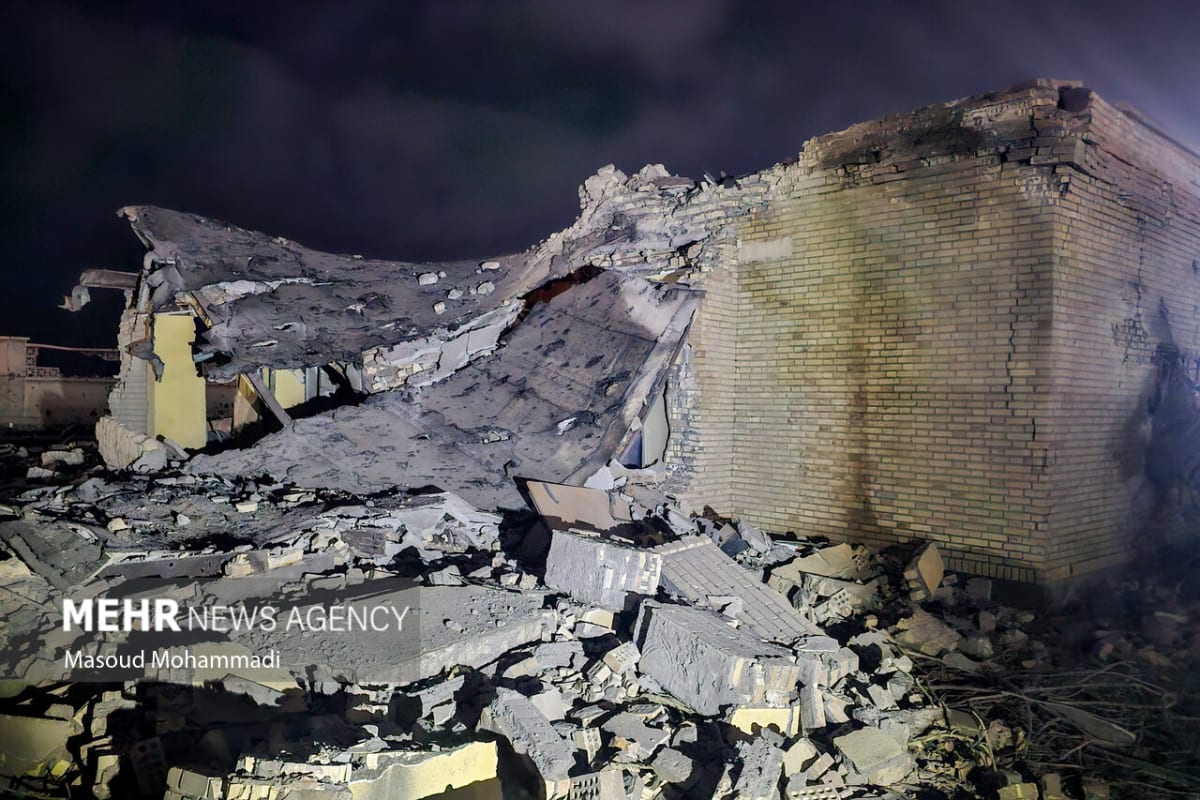
In a stark escalation of rhetoric, Iranian officials have linked the Sirik wedding hall strike that killed dozens of civilians to the Minab school bombing that occurred weeks earlier. The claim, aired by the Islamic Revolutionary Guard Corps (IRGC) and echoed in state media, places the United States at the centre of a coordinated campaign to destabilise Iran’s southern provinces.
What Happened?
| Date | Location | Event | Casualties |
|---|---|---|---|
| 12 May 2024 | Sirik, Hormozgan Province | Wedding hall struck by a missile‑like projectile | 23 dead, 45 injured |
| 28 April 2024 | Minab, Hormozgan Province | School building hit by an explosive device | 12 dead, 30 injured |
Both incidents occurred in the strategically sensitive Hormozgan region, home to Iran’s vital Persian Gulf ports and a hotbed of smuggling and proxy activity. While Iran has long blamed foreign actors for attacks in the south, the explicit connection between the two events marks a new narrative shift.
Tehran’s Accusations
- IRGC Statement: In a televised briefing, IRGC commander Mohammad Ali Jafari asserted that the same “foreign‑backed network” orchestrated both attacks, citing forensic similarities in the explosive residues.
- Foreign Ministry Claim: Spokesperson Saeed Khatibzadeh warned that the United States is “directly supporting terror cells operating in Hormozgan” and called for an emergency UN Security Council meeting.
- Domestic Reaction: Pro‑government rallies erupted in Tehran and Ahvaz, with slogans demanding “justice for the victims” and “end US aggression.”
The US Response
The United States, through the State Department, denied any involvement, labeling Iran’s accusations as “baseless” and “part of a broader disinformation campaign.” A senior Pentagon official reiterated that the US has no operational presence in the region that could conduct such attacks.
Geopolitical Context
- Strategic Importance of Hormozgan: The province houses the Strait of Hormuz, through which roughly a third of global oil shipments pass. Any instability here threatens global energy markets.
- Proxy Warfare: Iran’s regional rivals, notably Saudi Arabia and Israel, have historically used proxy groups to exert pressure. The US, while officially distant, is often accused by Tehran of enabling these proxies.
- Domestic Politics: President Ebrahim Raisi faces mounting criticism over economic woes and civil unrest. Linking external enemies to domestic tragedies can serve to rally nationalist sentiment.
- International Law: If evidence of foreign involvement were substantiated, it could trigger UN investigations under the Geneva Conventions and potentially lead to sanctions or diplomatic reprisals.
What Lies Ahead?
- Investigations: Iran has invited an independent forensic team from the United Nations to examine the blast sites, though the US has expressed skepticism about the team’s impartiality.
- Regional Diplomacy: Gulf Cooperation Council (GCC) states are watching closely; any escalation could spill over into broader maritime security concerns.
- Media Narrative: Both Iranian state outlets and Western news agencies are framing the story differently, highlighting the importance of cross‑checking sources.
Takeaways
- Iran’s linking of the Sirik and Minab attacks underscores a strategic narrative aimed at uniting the populace against perceived foreign aggression.
- The US denial does not quell Tehran’s accusations, suggesting a prolonged diplomatic tug‑of‑war.
- Regional stability hangs in the balance, with the Hormozgan province acting as a flashpoint that could affect global oil flows and international security frameworks.
The unfolding story will likely shape Iran‑US relations for months to come, and the international community must monitor forensic findings and diplomatic moves with a critical eye.
Original Reporting & Source: India Today Top Stories

Discussion (0)
Sign in to join the discussion.
No comments yet. Be the first to start the conversation!