Umang Sisodia • • 4 min read • 7 views

Owaisi Decries ‘Freedom of Religion’ Claims After Saharanpur Mosque Demolition
Owaisi Decries ‘Freedom of Religion’ Claims After Saharanpur Mosque Demolition

The Controversy in Saharanpur

On April 30, 2024, the demolition of a historic mosque in Saharanpur, Uttar Pradesh sparked a fresh wave of debate over India’s constitutional guarantee of freedom of religion. The demolition, ordered by the state government, was justified by officials as a law‑and‑order measure, but many community leaders, most prominently Asaduddin Owaisi, leader of the All India Majlis‑e‑Ittehadul Muslimeen (AIMIM), slammed the decision as a blatant violation of secular principles.

Owaisi’s Reaction

In a televised interview, Owaisi asked the rhetorical question, “*Freedom of Religion not for Muslims?*” He argued that the demolition was part of a broader pattern of targeting Muslim places of worship, citing recent incidents in other states. Owaisi called for:

  • An immediate reversal of the demolition order;
  • A central investigative committee to probe alleged illegalities;
  • Legal recourse for affected families through the Supreme Court.

His comments quickly went viral, prompting heated exchanges on social media and in the Parliament.

Political Context

Uttar Pradesh’s Governance

Uttar Pradesh, governed by the Bharatiya Janata Party (BJP), has seen several high‑profile disputes over religious structures. The state’s chief minister, Yogi Adityanath, defended the demolition, stating it was necessary to prevent “illegal encroachments and communal tension.” Critics argue that the narrative of law‑and‑order is being used to legitimize actions that disproportionately affect Muslim communities.

National Implications

The incident arrives at a sensitive time:

  • Election year: Both the BJP and opposition parties are gearing up for the 2024 general elections, and religious sentiment is a potent mobilising tool.
  • Secularism debate: The Indian Constitution enshrines secularism, but recent judicial pronouncements and state actions have raised questions about its practical implementation.
  • International scrutiny: Human rights organisations and foreign diplomatic missions have begun monitoring the situation, fearing a breach of religious freedom norms.

Historical Background of the Mosque

The demolished structure, built in the late 19th century, was reputed to be a heritage site for the local Muslim community. Historical records indicate the mosque served as a center for education and social gatherings. While the state cited illegal extensions as the reason for demolition, heritage activists contend that the documentation was insufficient and the demolition proceeded without due process.

  • Supreme Court precedents: Cases like Shri Ram Janmabhoomi and Sabarimala illustrate the judiciary’s delicate balancing act between religious freedom and public order.
  • Article 25 of the Constitution guarantees the right to freely profess, practice, and propagate religion, subject to public order, health, and morality.
  • Current petitions: Multiple petitions have been filed in the Allahabad High Court seeking an injunction against the demolition and demanding compensation for the displaced families.

Community Response

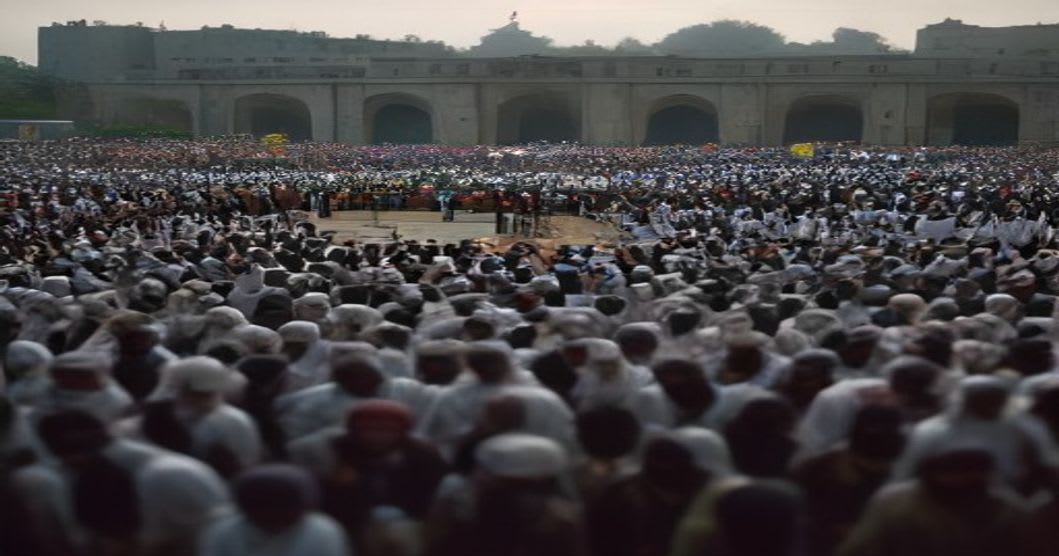
The demolition triggered a massive peaceful protest in Saharanpur. Residents gathered at the site with placards reading “Protect our heritage” and “Equal rights for all faiths.” The police deployed a large contingent of personnel to maintain order, resulting in several arrests for alleged unlawful assembly.

Takeaways

  1. Erosion of Trust – Repeated incidents erode trust between minority communities and state institutions, potentially fueling radicalisation.
  2. Political Weaponisation – Religious issues are increasingly weaponised for electoral gains, jeopardising the secular fabric.
  3. Legal Recourse is Crucial – Prompt judicial intervention can set a precedent that safeguards minority rights.
  4. Need for Dialogue – Sustainable resolution requires inclusive dialogue among government, community leaders, and civil society.

Looking Ahead

The Saharanpur mosque demolition is more than a local dispute; it reflects a nation‑wide contestation of secular values. As the legal battles unfold and political narratives evolve, the episode will likely influence how India navigates the delicate balance between law‑and‑order imperatives and the constitutional promise of freedom of religion for every citizen.


Author’s note: This analysis draws on publicly available statements, court filings, and media reports up to September 2026.


Original Reporting & Source: The Quint

Discussion (0)

Sign in to join the discussion.

No comments yet. Be the first to start the conversation!

| |

Owaisi Decries ‘Freedom of Religion’ Claims After Saharanpur Mosque Demolition

By Umang Sisodia • 4 min read • 7 views

The Controversy in Saharanpur

On April 30, 2024, the demolition of a historic mosque in Saharanpur, Uttar Pradesh sparked a fresh wave of debate over India’s constitutional guarantee of freedom of religion. The demolition, ordered by the state government, was justified by officials as a law‑and‑order measure, but many community leaders, most prominently Asaduddin Owaisi, leader of the All India Majlis‑e‑Ittehadul Muslimeen (AIMIM), slammed the decision as a blatant violation of secular principles.

Owaisi’s Reaction

In a televised interview, Owaisi asked the rhetorical question, “*Freedom of Religion not for Muslims?*” He argued that the demolition was part of a broader pattern of targeting Muslim places of worship, citing recent incidents in other states. Owaisi called for:

  • An immediate reversal of the demolition order;
  • A central investigative committee to probe alleged illegalities;
  • Legal recourse for affected families through the Supreme Court.

His comments quickly went viral, prompting heated exchanges on social media and in the Parliament.

Political Context

Uttar Pradesh’s Governance

Uttar Pradesh, governed by the Bharatiya Janata Party (BJP), has seen several high‑profile disputes over religious structures. The state’s chief minister, Yogi Adityanath, defended the demolition, stating it was necessary to prevent “illegal encroachments and communal tension.” Critics argue that the narrative of law‑and‑order is being used to legitimize actions that disproportionately affect Muslim communities.

National Implications

The incident arrives at a sensitive time:

  • Election year: Both the BJP and opposition parties are gearing up for the 2024 general elections, and religious sentiment is a potent mobilising tool.
  • Secularism debate: The Indian Constitution enshrines secularism, but recent judicial pronouncements and state actions have raised questions about its practical implementation.
  • International scrutiny: Human rights organisations and foreign diplomatic missions have begun monitoring the situation, fearing a breach of religious freedom norms.

Historical Background of the Mosque

The demolished structure, built in the late 19th century, was reputed to be a heritage site for the local Muslim community. Historical records indicate the mosque served as a center for education and social gatherings. While the state cited illegal extensions as the reason for demolition, heritage activists contend that the documentation was insufficient and the demolition proceeded without due process.

  • Supreme Court precedents: Cases like Shri Ram Janmabhoomi and Sabarimala illustrate the judiciary’s delicate balancing act between religious freedom and public order.
  • Article 25 of the Constitution guarantees the right to freely profess, practice, and propagate religion, subject to public order, health, and morality.
  • Current petitions: Multiple petitions have been filed in the Allahabad High Court seeking an injunction against the demolition and demanding compensation for the displaced families.

Community Response

The demolition triggered a massive peaceful protest in Saharanpur. Residents gathered at the site with placards reading “Protect our heritage” and “Equal rights for all faiths.” The police deployed a large contingent of personnel to maintain order, resulting in several arrests for alleged unlawful assembly.

Takeaways

  1. Erosion of Trust – Repeated incidents erode trust between minority communities and state institutions, potentially fueling radicalisation.
  2. Political Weaponisation – Religious issues are increasingly weaponised for electoral gains, jeopardising the secular fabric.
  3. Legal Recourse is Crucial – Prompt judicial intervention can set a precedent that safeguards minority rights.
  4. Need for Dialogue – Sustainable resolution requires inclusive dialogue among government, community leaders, and civil society.

Looking Ahead

The Saharanpur mosque demolition is more than a local dispute; it reflects a nation‑wide contestation of secular values. As the legal battles unfold and political narratives evolve, the episode will likely influence how India navigates the delicate balance between law‑and‑order imperatives and the constitutional promise of freedom of religion for every citizen.


Author’s note: This analysis draws on publicly available statements, court filings, and media reports up to September 2026.


Original Reporting & Source: The Quint