Umang Sisodia • • 3 min read • 7 views

M A Baby: Rahul Gandhi Could Be PM if Opposition Wins – Implications for 2024
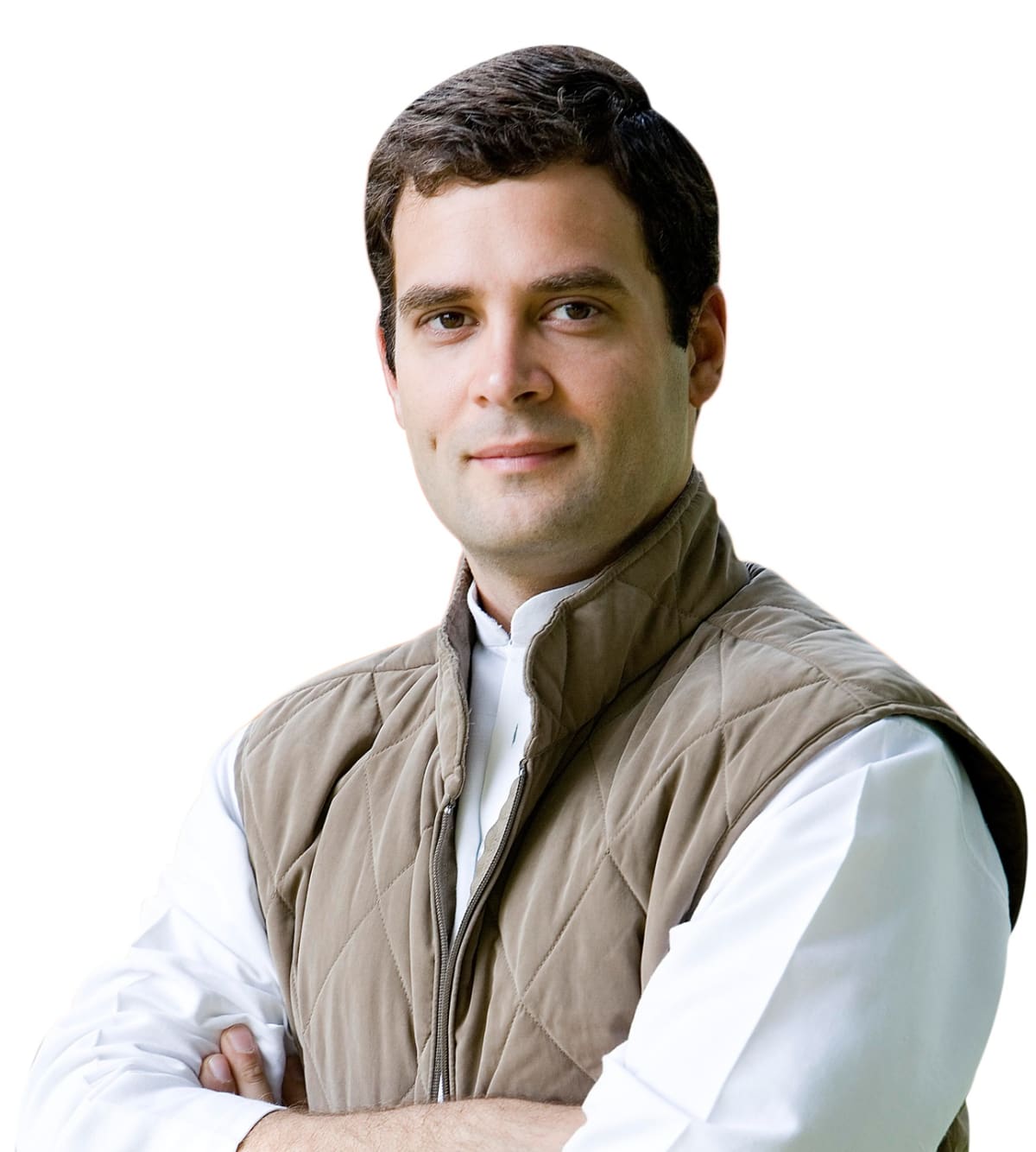
M A Baby: Rahul Gandhi Could Be PM if Opposition Wins – Implications for 2024

Political Context

India’s 2024 general election has turned into a high‑stakes chessboard where every move by the ruling BJP is matched by strategic countermoves from a fragmented but increasingly coordinated opposition. The Congress party, led by Rahul Gandhi, has been seeking a credible partnership with regional forces and left‑wing parties to present a united front against Prime Minister Narendra Modi’s third term.

CPIM’s Bold Claim

M A Baby, a senior leader of the Communist Party of India (Marxist), made headlines when he asserted that “Rahul Gandhi can claim the Prime Minister’s post if the opposition wins collectively.” The statement was delivered at a press briefing in Kolkata, where Baby outlined the ideological convergence between the left and the Congress on issues such as agrarian distress, unemployment, and secularism.

Why the Statement Matters

  • Signal of Unity: By publicly endorsing Rahul Gandhi, the CPIM is signaling a willingness to bridge historic gaps with the Congress.
  • Electoral Calculus: The left’s vote‑bank, especially in West Bengal, Kerala, and Tripura, could become a decisive swing factor in tightly contested constituencies.
  • Narrative Control: Positioning Gandhi as the prospective PM reframes the opposition narrative from “anti‑Modi” to “alternative governance.”

What It Means for the Opposition

The opposition alliance—often referred to as the “Mahagathbandhan”—has been plagued by leadership tussles and divergent regional agendas. Baby’s remark injects a fresh dynamic:

Coalition Calculus

  1. Seat‑Sharing Negotiations: Parties will need to re‑evaluate seat‑allocation formulas to accommodate a Congress‑centric prime‑ministerial candidate while preserving regional strongholds.
  2. Policy Alignment: The CPIM’s emphasis on pro‑people policies could push the alliance toward a more left‑leaning manifesto, potentially attracting disillusioned voters.
  3. Campaign Messaging: A unified front with Rahul Gandhi as the face can simplify campaign messaging, making it easier for voters to grasp the alternative.

Risks and Opportunities

While the statement offers optimism, it also carries inherent risks:

  • Over‑Promising: Elevating Gandhi to the PM prospect may alienate parties that prefer a rotational leadership model.
  • BJP Counter‑Narrative: The ruling party could portray the alliance as a “Congress‑led coalition” to revive anti‑Congress sentiment.
  • Voter Perception: Some electorate segments may view the left’s endorsement as a tactical move rather than a genuine ideological alignment.

Opportunities

  • Mobilising Youth: A fresh leadership narrative can energise first‑time voters seeking change.
  • Regional Leverage: CPIM’s grassroots networks, especially in West Bengal, can be leveraged for door‑to‑door campaigning.
  • Policy Depth: Jointly crafted policy proposals on agrarian reform and employment can differentiate the alliance from the BJP’s growth‑centric agenda.

Takeaways

  1. Strategic Unity Is Emerging: Baby’s comment underscores a growing consensus that the opposition must coalesce around a single, credible leader.
  2. Rahul Gandhi’s Role Is Central: Whether he becomes the PM candidate or not, his presence is now a pivotal rallying point.
  3. Electoral Outcome Remains Uncertain: The ultimate test will be how effectively the alliance translates rhetoric into votes across diverse states.

The coming months will reveal whether this newfound synergy can overcome entrenched regional rivalries and present a viable alternative to the BJP’s dominance. For now, M A Baby’s statement has added a compelling layer to the evolving drama of India’s most consequential election.


Original Reporting & Source: India Today Top Stories

Discussion (0)

Sign in to join the discussion.

No comments yet. Be the first to start the conversation!

| |

M A Baby: Rahul Gandhi Could Be PM if Opposition Wins – Implications for 2024

By Umang Sisodia • 3 min read • 7 views

Political Context

India’s 2024 general election has turned into a high‑stakes chessboard where every move by the ruling BJP is matched by strategic countermoves from a fragmented but increasingly coordinated opposition. The Congress party, led by Rahul Gandhi, has been seeking a credible partnership with regional forces and left‑wing parties to present a united front against Prime Minister Narendra Modi’s third term.

CPIM’s Bold Claim

M A Baby, a senior leader of the Communist Party of India (Marxist), made headlines when he asserted that “Rahul Gandhi can claim the Prime Minister’s post if the opposition wins collectively.” The statement was delivered at a press briefing in Kolkata, where Baby outlined the ideological convergence between the left and the Congress on issues such as agrarian distress, unemployment, and secularism.

Why the Statement Matters

  • Signal of Unity: By publicly endorsing Rahul Gandhi, the CPIM is signaling a willingness to bridge historic gaps with the Congress.
  • Electoral Calculus: The left’s vote‑bank, especially in West Bengal, Kerala, and Tripura, could become a decisive swing factor in tightly contested constituencies.
  • Narrative Control: Positioning Gandhi as the prospective PM reframes the opposition narrative from “anti‑Modi” to “alternative governance.”

What It Means for the Opposition

The opposition alliance—often referred to as the “Mahagathbandhan”—has been plagued by leadership tussles and divergent regional agendas. Baby’s remark injects a fresh dynamic:

Coalition Calculus

  1. Seat‑Sharing Negotiations: Parties will need to re‑evaluate seat‑allocation formulas to accommodate a Congress‑centric prime‑ministerial candidate while preserving regional strongholds.
  2. Policy Alignment: The CPIM’s emphasis on pro‑people policies could push the alliance toward a more left‑leaning manifesto, potentially attracting disillusioned voters.
  3. Campaign Messaging: A unified front with Rahul Gandhi as the face can simplify campaign messaging, making it easier for voters to grasp the alternative.

Risks and Opportunities

While the statement offers optimism, it also carries inherent risks:

  • Over‑Promising: Elevating Gandhi to the PM prospect may alienate parties that prefer a rotational leadership model.
  • BJP Counter‑Narrative: The ruling party could portray the alliance as a “Congress‑led coalition” to revive anti‑Congress sentiment.
  • Voter Perception: Some electorate segments may view the left’s endorsement as a tactical move rather than a genuine ideological alignment.

Opportunities

  • Mobilising Youth: A fresh leadership narrative can energise first‑time voters seeking change.
  • Regional Leverage: CPIM’s grassroots networks, especially in West Bengal, can be leveraged for door‑to‑door campaigning.
  • Policy Depth: Jointly crafted policy proposals on agrarian reform and employment can differentiate the alliance from the BJP’s growth‑centric agenda.

Takeaways

  1. Strategic Unity Is Emerging: Baby’s comment underscores a growing consensus that the opposition must coalesce around a single, credible leader.
  2. Rahul Gandhi’s Role Is Central: Whether he becomes the PM candidate or not, his presence is now a pivotal rallying point.
  3. Electoral Outcome Remains Uncertain: The ultimate test will be how effectively the alliance translates rhetoric into votes across diverse states.

The coming months will reveal whether this newfound synergy can overcome entrenched regional rivalries and present a viable alternative to the BJP’s dominance. For now, M A Baby’s statement has added a compelling layer to the evolving drama of India’s most consequential election.


Original Reporting & Source: India Today Top Stories