Umang Sisodia • • 3 min read • 11 views
Trump’s Social Media Blitz Targets Iran, Superimposes His Face on Tehran Map
The Unusual Digital Attack
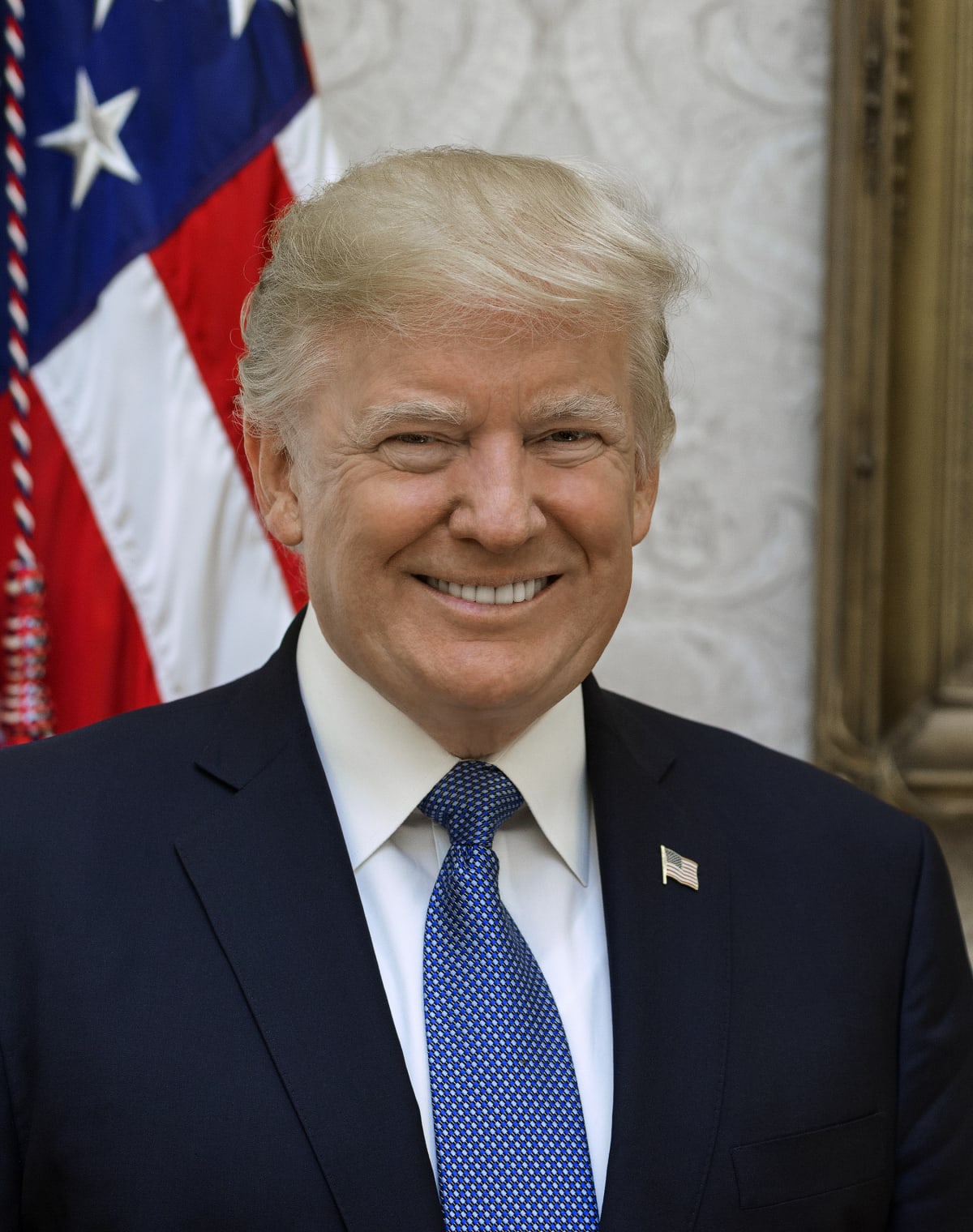
Former President Donald Trump has once again turned his personal social‑media accounts into a geopolitical battlefield. Over the past 24 hours, Trump posted a series of graphics that mock Iran, the most striking of which places his own portrait directly over a detailed map of Tehran. The images, shared on his own platform and amplified by supporters, are part of a broader, unconventional campaign to criticize Iran’s regional policies and its nuclear programme.
Why Tehran? A Symbolic Choice
- Tehran as a political symbol – The capital represents Iran’s political core, making it a potent visual target for any critique.
- Cartographic provocation – Superimposing a rival’s face on a city map is a classic propaganda technique, meant to suggest dominance or ridicule.
- Timing – The posts coincided with renewed diplomatic talks in Vienna and a series of sanctions announced by the United States, amplifying their relevance.
Trump’s Social‑Media Playbook
Since leaving office, Trump has cultivated a direct‑to‑public communication style that bypasses traditional media filters. His recent spree illustrates several recurring tactics:
- Visual shock value – Bold graphics that are instantly shareable.
- Narrative framing – Positioning Iran as a perpetual adversary.
- Mobilising the base – Encouraging followers to retweet, comment, and create derivative memes.
- Disrupting diplomatic channels – By flooding the information space with sensational content, official diplomatic messaging gets diluted.
Iranian and International Reactions
- Iranian officials dismissed the images as “trivial propaganda” but warned that such rhetoric could inflame public sentiment.
- European diplomats expressed concern that personal attacks undermine the fragile negotiation process, urging restraint from all parties.
- U.S. political analysts noted that while the posts are unlikely to shift policy, they reflect an ongoing trend of former leaders shaping foreign‑policy discourse from the sidelines.
Potential Implications for U.S.–Iran Relations
| Aspect | Possible Outcome |
|---|---|
| Diplomacy | Heightened mistrust; negotiators may adopt a tougher stance. |
| Public Opinion | Polarisation in both countries; increased anti‑Iran sentiment among Trump’s supporters. |
| Sanctions Regime | May justify tighter sanctions if rhetoric is perceived as escalating tensions. |
| Media Landscape | Further blurring of official statements and personal commentary. |
Takeaways
- Personal branding meets geopolitics – Trump’s posts demonstrate how individual political brands can influence international narratives.
- Visual propaganda remains potent – In the digital age, a single image can travel faster than any diplomatic cable.
- Need for diplomatic resilience – Governments must be prepared to counteract non‑official messaging that threatens to derail delicate talks.
In an era where a former president can weaponise a meme against a sovereign nation, the line between political commentary and diplomatic provocation grows ever thinner.
The analysis above draws on publicly available statements, recent diplomatic developments, and the broader context of U.S.–Iran interactions post‑2020.
Original Reporting & Source: India Today Top Stories

Discussion (0)
Sign in to join the discussion.
No comments yet. Be the first to start the conversation!