Umang Sisodia • • 3 min read • 8 views
Iran Warns of Faster, More Painful U.S. Retaliation, Says Parliament Speaker
Overview
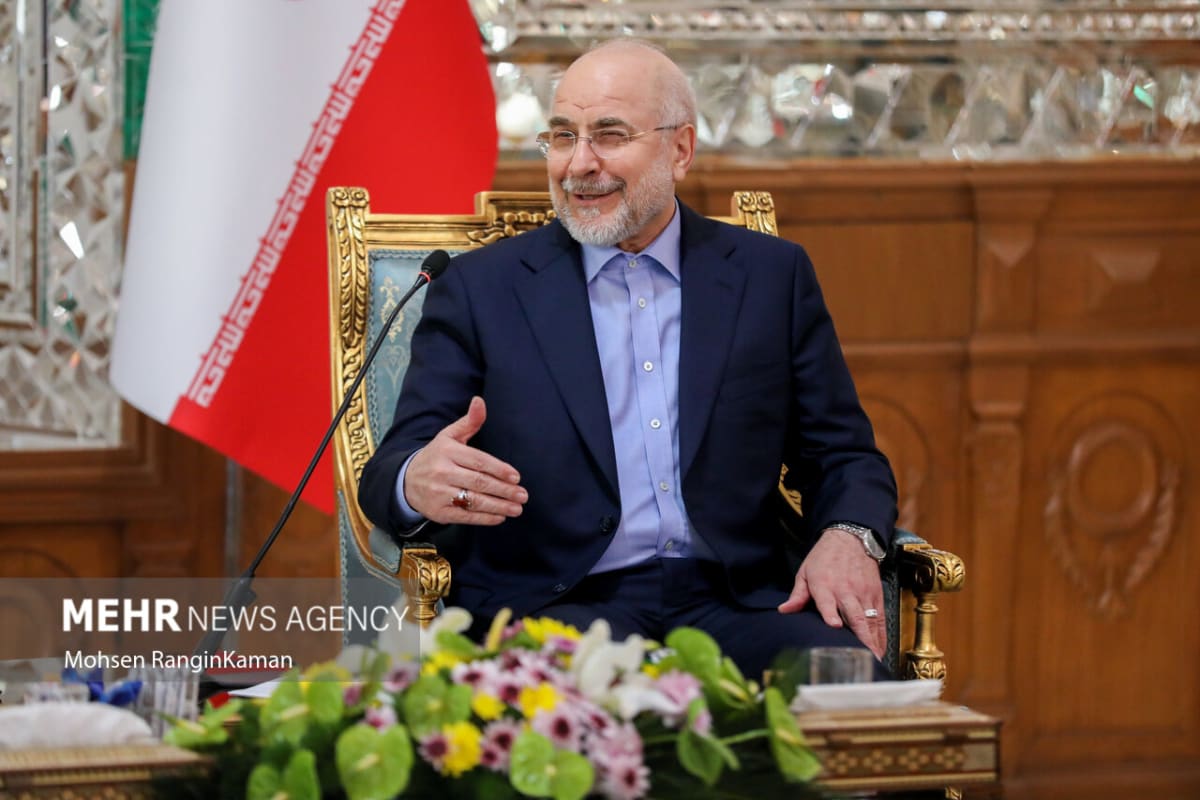
The Middle East is once again on a collision course after Iran’s parliament speaker, Mohammad‑Bagher Ghalibaf, warned that Tehran’s response to any further U.S. strikes would be “faster, heavier and more painful.” The statement, made during a live press briefing, comes amid a series of Israeli air raids on Iranian‑linked targets in Lebanon and heightened U.S. naval activity in the Strait of Hormuz. While the rhetoric is stark, analysts caution that diplomatic channels remain open, and the region’s fragile balance could tip either toward escalation or a negotiated de‑escalation.
Iran’s Statement
- Speaker’s warning: Ghalibaf said Iran would not tolerate “any further aggression” and that the next retaliation would be “swift and severe.”
- Economic angle: He added that Iran would also address the “economic repercussions” of any extended conflict, hinting at possible oil market manipulation or disruption of shipping lanes.
- Strategic messaging: The language mirrors Tehran’s past statements after the 2020 killing of Qasem Soleimani, where the regime combined threats of kinetic response with calls for diplomatic resolution.
Regional Implications
- Lebanon’s spill‑over: Israeli strikes in southern Lebanon have already killed four civilians, raising the risk of a broader Hezbollah‑Iran confrontation.
- Gulf states: Saudi Arabia and the UAE, wary of Iranian influence, have bolstered their air defence systems and are closely monitoring U.S. carrier deployments.
- Global markets: Any disruption to oil shipments through the Strait of Hormuz could send crude prices soaring, affecting economies far beyond the region.
Historical Context
| Year | Event | Iran’s Reaction |
|---|---|---|
| 1979 | U.S. Embassy hostage crisis | Diplomatic isolation, anti‑U.S. propaganda |
| 1988 | USS Cole bombing | Retaliatory strikes, escalation of naval tension |
| 2020 | Killing of Qasem Soleimani | Massive missile barrage on Iraqi bases |
These precedents show a pattern: Iran couples military threats with strategic economic levers, especially oil.
Potential Scenarios
- Limited retaliation: Iran could launch precision missile strikes on U.S. assets in the Gulf, aiming to signal resolve without provoking a full‑scale war.
- Proxy escalation: Tehran may empower Hezbollah or Iraqi militias to increase attacks on Israeli and U.S. interests.
- Diplomatic back‑channel: Secret talks mediated by European powers could lead to a cease‑fire, similar to the 2021 Israel‑Iran de‑escalation talks.
International Reactions
- United States: The Pentagon has placed additional carrier strike groups on standby and warned allies of “unacceptable” aggression.
- European Union: Calls for restraint and urges both sides to return to the Joint Comprehensive Plan of Action (JCPOA) framework.
- United Nations: Secretary‑General António Guterres has urged an immediate cessation of hostilities and the opening of humanitarian corridors.
What to Watch
- U.S. naval movements: Any shift in carrier positioning could indicate an imminent kinetic response.
- Iranian missile launches: Early detection of missile preparations would be a red flag for escalation.
- Diplomatic overtures: Track back‑channel communications, especially involving the EU and Russia, for signs of a negotiated settlement.
The coming days will test the resilience of regional diplomacy. While Tehran’s warning is unequivocal, the ultimate path will depend on a complex mix of military calculations, economic pressures, and the willingness of global powers to mediate before the conflict becomes irreversible.
Original Reporting & Source: The Hindu

Discussion (0)
Sign in to join the discussion.
No comments yet. Be the first to start the conversation!