Umang Sisodia • • 3 min read • 7 views
Delhi’s MCD Cracks Down on Illegal High‑Rise Buildings After Satya Niketan Tragedy
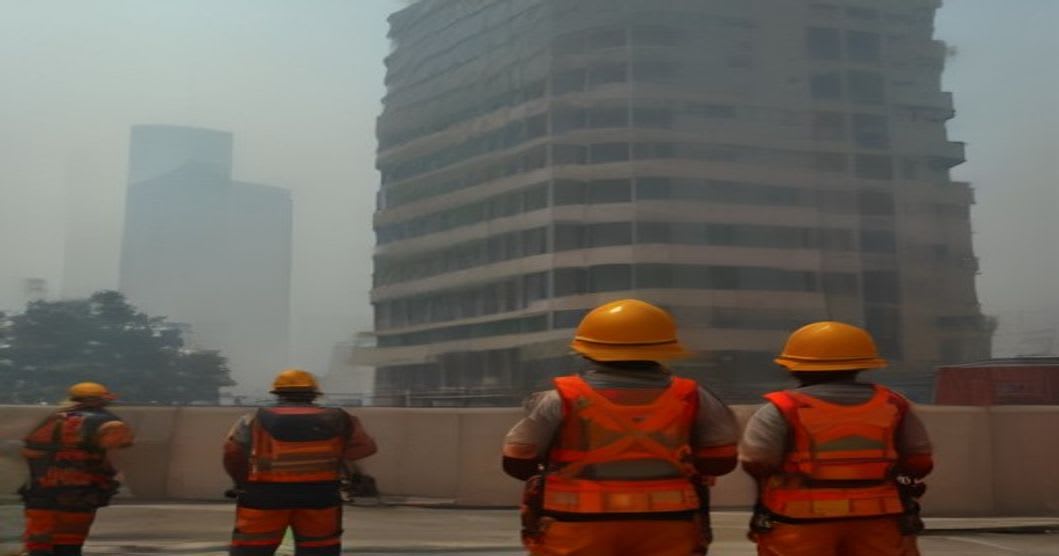
A Wake‑Up Call for Delhi’s Skyline
On a chilly morning in early March, the Municipal Corporation of Delhi (MCD) issued a sweeping order to seal every residential structure that exceeds four floors without proper authorization. The directive came in the aftermath of the tragic collapse of a five‑storey building in the Satya Niketan colony, which claimed lives and left dozens injured. While the immediate focus is on rescue and relief, the incident has ignited a broader debate about the rampant violation of building norms in India’s capital.
What Happened at Satya Niketan?
- Date & Location: The building, located on Satya Niketan’s main road, gave way during the early hours of March 2, 2024.
- Casualties: Preliminary reports confirm 12 deaths and over 30 injuries.
- Cause: Investigators point to unauthorised vertical extensions and sub‑standard construction materials as primary factors.
The structure originally received approval for a four‑storey layout. However, a fifth floor was added without any clearance from the Delhi Development Authority (DDA) or MCD. The illegal addition overloaded the foundation, leading to a catastrophic failure.
MCD’s Immediate Response
MCD Commissioner Anil Kumar announced a city‑wide audit of all high‑rise residential buildings. The order mandates:
- Immediate sealing of any building exceeding four floors that lacks a valid occupancy certificate.
- Inspection teams to be deployed within 48 hours for each identified structure.
- Penalties ranging from hefty fines to demolition for repeat offenders.
The municipal body has also set up a dedicated helpline for residents to report suspicious constructions.
The Bigger Picture: Illegal Construction in Delhi
Delhi’s rapid urbanisation has outpaced regulatory enforcement. According to a 2022 National Building Code audit, over 30 % of residential units in the National Capital Region were either unauthorised or non‑compliant.
- Land‑scarcity pushes developers to vertical expansion without due process.
- Corruption at local levels often results in bribed approvals for illegal floors.
- Lack of public awareness leaves residents unaware of the legal status of their homes.
The Satya Niketan collapse is not an isolated incident. Similar tragedies—such as the 2019 Delhi high‑rise fire and the 2021 Gurugram building collapse—highlight systemic gaps.
Political & Social Implications
The MCD’s decisive action arrives amid growing public pressure on the Aam Aadmi Party (AAP) government to enforce stricter building norms. Opposition parties have seized the moment, demanding a state‑wide crackdown and transparent audit of all existing structures.
Civil society groups, including Shanti Sankalp and Urban Watch, have called for:
- Public disclosure of illegal buildings.
- Compensation for victims’ families.
- Rehabilitation plans for displaced residents.
Looking Ahead: Preventive Measures
- Digital Mapping: Deploy GIS‑based tools to track building permits in real time.
- Community Vigilance: Encourage neighbourhood committees to monitor construction activities.
- Strict Enforcement: Impose zero‑tolerance policies for illegal extensions, with demolition as a last resort.
- Awareness Campaigns: Use local media to educate homeowners about the dangers of unauthorised floors.
The Satya Niketan tragedy serves as a stark reminder that safety cannot be compromised for profit. As Delhi moves to seal illegal high‑rise structures, the hope is that a culture of compliance will replace the shortcut‑driven mindset that has plagued the city for years.
The story continues to develop. Stay tuned for updates on the legal proceedings and the impact of MCD’s sealing order across the capital.
Original Reporting & Source: India Today Top Stories

Discussion (0)
Sign in to join the discussion.
No comments yet. Be the first to start the conversation!