Umang Sisodia • • 3 min read • 5 views

Delhi CM Arvind Kejriwal’s Fiery Clash with Officials Over Stalled Civic Projects
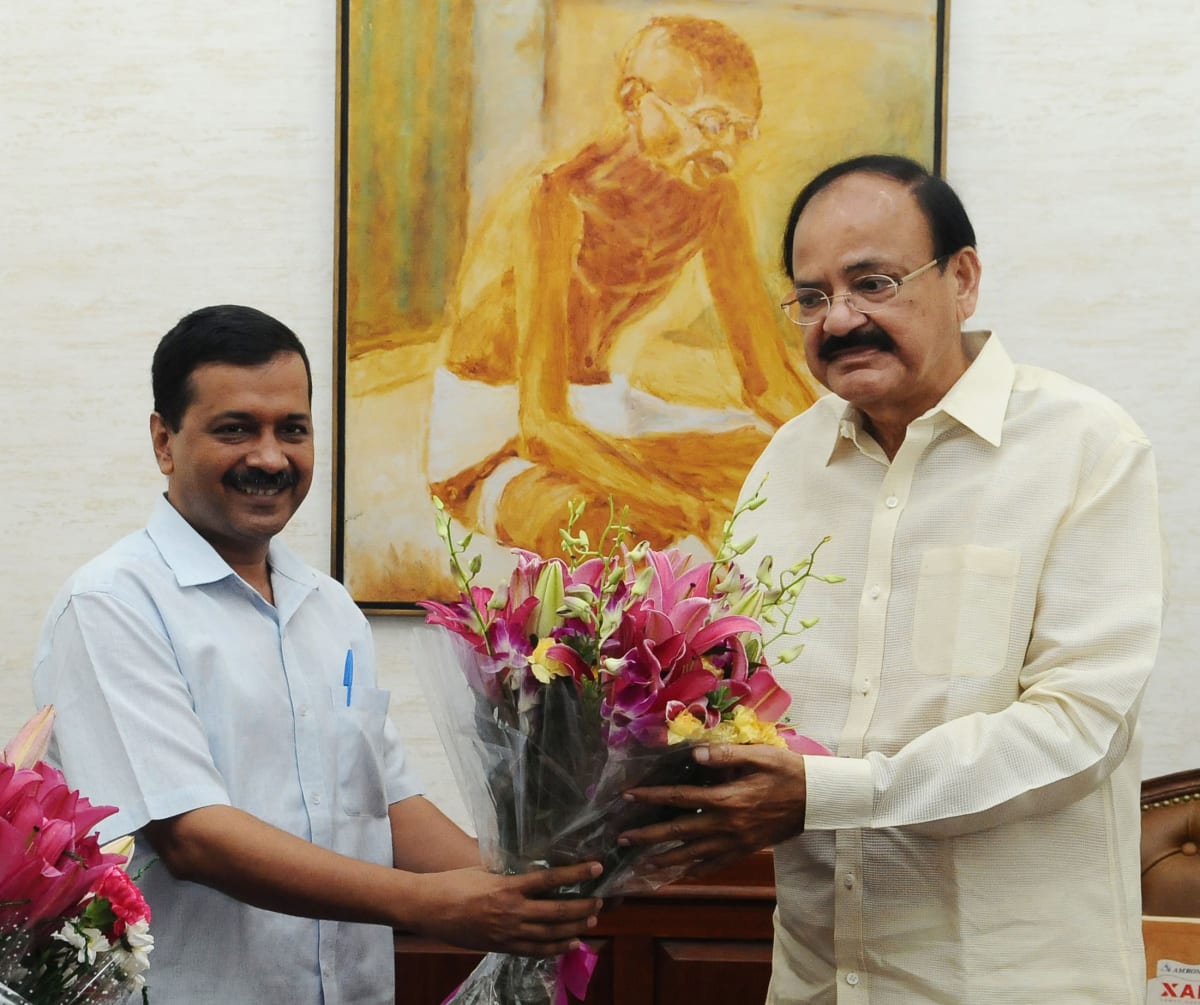
Delhi CM Arvind Kejriwal’s Fiery Clash with Officials Over Stalled Civic Projects

The Incident

In a rare display of open frustration, Delhi Chief Minister Arvind Kejriwal was seen losing his composure during a meeting with senior bureaucrats on Wednesday. The confrontation, captured by several media outlets, revolved around the chronic delays in key civic works – ranging from pothole repairs on the Ring Road to the stalled construction of a new community health centre in North Delhi. Kejriwal’s raised voice and pointed remarks broke the usual diplomatic tone that characterises most Delhi government‑bureaucrat interactions.

What Sparked the Tension

  • Backlog of pothole repairs: Over 3,000 potholes remain unfilled in the past six months, despite the CM’s repeated promises.
  • Delayed health infrastructure: The community health centre, earmarked for a 2023 launch, is now projected to be operational only by late 2025.
  • Public outcry: Residents of East Delhi filed a petition last week demanding immediate action, citing safety concerns for school children.
  • Political pressure: With the next assembly elections looming, the CM’s party, Aam Aadmi Party (AAP), is under pressure to showcase tangible improvements.

Political Stakes

Kejriwal’s administration has built its brand on swift, people‑centric governance. The current episode, however, exposes a friction point between the political leadership and the entrenched civil service machinery. While the CM claims that “bureaucratic inertia” is the primary culprit, senior officials argue that funding bottlenecks and inter‑departmental coordination failures are equally to blame.

  • AAP’s narrative: The party positions itself as the antidote to “red‑tape” and promises to overhaul the civic delivery system.
  • Opposition’s angle: The BJP and other opposition parties are quick to highlight this clash as evidence of the CM’s inability to manage the administration effectively.
  • Media framing: Headlines such as “Delhi CM loses cool” amplify the drama, potentially shaping public perception ahead of the upcoming electoral cycle.

Governance Implications

The episode underscores several systemic challenges:

  1. Accountability gaps: Without clear performance metrics for municipal bodies, delays become normalized.
  2. Resource allocation: The Delhi government’s budgetary constraints often force a trade‑off between large‑scale projects and routine maintenance.
  3. Decision‑making latency: Multiple layers of approval—central, state, and municipal—slow down project execution.
  4. Public‑private partnerships: Leveraging private expertise could accelerate delivery, but regulatory hesitancy remains a barrier.

Looking Ahead

Kejriwal’s outburst may serve as a catalyst for reform, provided it translates into concrete policy shifts. Analysts suggest the following steps:

  • Introduce real‑time monitoring dashboards for civic works, accessible to the public.
  • Streamline approval processes by delegating authority to district‑level officers.
  • Allocate a dedicated contingency fund to address emergency repairs without bureaucratic delay.
  • Engage civil society through citizen advisory panels to ensure community needs drive priorities.

If the CM can convert his frustration into actionable change, the episode could mark a turning point in Delhi’s civic governance. Conversely, if it remains a headline‑making outburst without follow‑through, public confidence may erode further, feeding opposition narratives and complicating the political calculus ahead of the 2025 assembly elections.


The story continues to develop as Delhi’s administration releases an official statement on the meeting and outlines its remedial roadmap.


Original Reporting & Source: India Today Top Stories

Discussion (0)

Sign in to join the discussion.

No comments yet. Be the first to start the conversation!

| |

Delhi CM Arvind Kejriwal’s Fiery Clash with Officials Over Stalled Civic Projects

By Umang Sisodia • 3 min read • 5 views

The Incident

In a rare display of open frustration, Delhi Chief Minister Arvind Kejriwal was seen losing his composure during a meeting with senior bureaucrats on Wednesday. The confrontation, captured by several media outlets, revolved around the chronic delays in key civic works – ranging from pothole repairs on the Ring Road to the stalled construction of a new community health centre in North Delhi. Kejriwal’s raised voice and pointed remarks broke the usual diplomatic tone that characterises most Delhi government‑bureaucrat interactions.

What Sparked the Tension

  • Backlog of pothole repairs: Over 3,000 potholes remain unfilled in the past six months, despite the CM’s repeated promises.
  • Delayed health infrastructure: The community health centre, earmarked for a 2023 launch, is now projected to be operational only by late 2025.
  • Public outcry: Residents of East Delhi filed a petition last week demanding immediate action, citing safety concerns for school children.
  • Political pressure: With the next assembly elections looming, the CM’s party, Aam Aadmi Party (AAP), is under pressure to showcase tangible improvements.

Political Stakes

Kejriwal’s administration has built its brand on swift, people‑centric governance. The current episode, however, exposes a friction point between the political leadership and the entrenched civil service machinery. While the CM claims that “bureaucratic inertia” is the primary culprit, senior officials argue that funding bottlenecks and inter‑departmental coordination failures are equally to blame.

  • AAP’s narrative: The party positions itself as the antidote to “red‑tape” and promises to overhaul the civic delivery system.
  • Opposition’s angle: The BJP and other opposition parties are quick to highlight this clash as evidence of the CM’s inability to manage the administration effectively.
  • Media framing: Headlines such as “Delhi CM loses cool” amplify the drama, potentially shaping public perception ahead of the upcoming electoral cycle.

Governance Implications

The episode underscores several systemic challenges:

  1. Accountability gaps: Without clear performance metrics for municipal bodies, delays become normalized.
  2. Resource allocation: The Delhi government’s budgetary constraints often force a trade‑off between large‑scale projects and routine maintenance.
  3. Decision‑making latency: Multiple layers of approval—central, state, and municipal—slow down project execution.
  4. Public‑private partnerships: Leveraging private expertise could accelerate delivery, but regulatory hesitancy remains a barrier.

Looking Ahead

Kejriwal’s outburst may serve as a catalyst for reform, provided it translates into concrete policy shifts. Analysts suggest the following steps:

  • Introduce real‑time monitoring dashboards for civic works, accessible to the public.
  • Streamline approval processes by delegating authority to district‑level officers.
  • Allocate a dedicated contingency fund to address emergency repairs without bureaucratic delay.
  • Engage civil society through citizen advisory panels to ensure community needs drive priorities.

If the CM can convert his frustration into actionable change, the episode could mark a turning point in Delhi’s civic governance. Conversely, if it remains a headline‑making outburst without follow‑through, public confidence may erode further, feeding opposition narratives and complicating the political calculus ahead of the 2025 assembly elections.


The story continues to develop as Delhi’s administration releases an official statement on the meeting and outlines its remedial roadmap.


Original Reporting & Source: India Today Top Stories