Umang Sisodia • • 3 min read • 7 views
Why 'Nayak' Still Matters After 25 Years: Anil Kapoor on Power & Purpose
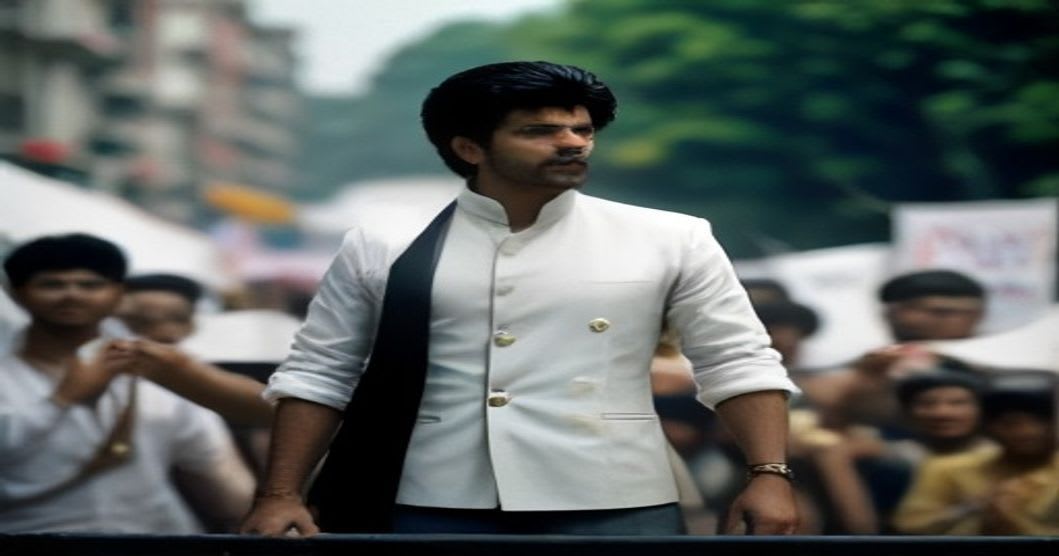
The Enduring Pulse of Nayak
When Nayak: The Real Hero hit theatres in 1999, it was more than a commercial action‑drama. Directed by Rajkumar Santoshi and anchored by Anil Kapoor’s charismatic turn as a reluctant politician‑activist, the film tapped into a growing public fatigue with entrenched power structures. Twenty‑five years later, the movie’s core questions—about the nature of authority, the responsibilities of the common man, and the price of idealism—still echo in India’s political discourse.
Anil Kapoor’s Reflections
In a recent conversation with India Today, Kapoor unpacked why Nayak continues to resonate:
- Power as a double‑edged sword – He stresses that the film’s protagonist, Shivaji Rao, discovers that wielding power without accountability leads to the same corruption he once fought against.
- Purpose beyond fame – Kapoor notes that the character’s journey from a television journalist to a chief minister mirrors a societal yearning for leaders who serve, not merely symbolize.
- People as the true catalyst – The actor emphasizes that the crowd scenes in Nayak were never just background; they represent the collective agency that can topple or sustain regimes.
These insights underline a timeless truth: leadership is a contract between the individual and the masses, and when that contract is broken, the people reclaim agency.
Why the Film Still Feels Fresh
| Element | 1999 Context | 2024 Relevance |
|---|---|---|
| Political Disillusionment | Post‑Lalu‑Rae era, rising coalition politics. | Growing skepticism toward dynastic parties and corporate‑linked governance. |
| Media’s Role | Television news was the primary watchdog. | Social media amplifies citizen journalism, echoing Shivaji Rao’s on‑air exposés. |
| Grass‑roots Mobilisation | Street rallies were the main mode of protest. | Digital protests and mass movements (e.g., farmer’s agitation) echo the film’s crowd‑power motif. |
The film’s narrative architecture—starting with a bold televised confession, moving through a populist election, and culminating in a moral showdown—mirrors the modern political cycle where media revelations can catapult outsiders into power, only for them to confront the same systemic inertia they once condemned.
Cultural Impact and Legacy
- Box‑office Milestone: Nayak earned over ₹30 crore in its initial run, a testament to its mass appeal.
- Political Parallels: Several regional leaders have cited the film as an inspiration for their own grassroots campaigns.
- Academic Interest: Film schools now dissect Nayak as a case study in political storytelling, noting its blend of commercial tropes with civic commentary.
- Pop‑Culture Echoes: Recent web series and political memes reference the iconic line, “Mere paas power hai,” re‑contextualising it for contemporary debates.
Takeaways for Today’s Leaders
- Transparency Must Be Institutionalised – One‑off revelations are insufficient; mechanisms for continuous scrutiny are essential.
- Purpose‑Driven Governance Wins Trust – Policies rooted in public welfare, not personal ambition, sustain legitimacy.
- Empowering the Masses Is Non‑Negotiable – Engaging citizens through participatory platforms prevents the drift toward authoritarianism.
Anil Kapoor’s affirmation that Nayak still matters is not just nostalgic nostalgia; it is a call to revisit the film’s blueprint for a responsible, people‑first polity.
Looking Ahead
As India approaches its next general election, the spectre of Nayak looms large. Whether a new generation of Shivaji Raos emerges from the digital streets or the film remains a cinematic relic, its core message—that power is a trust, not a right—remains a vital compass for anyone navigating the tumultuous waters of Indian democracy.
Stay tuned for deeper analyses on how classic cinema continues to shape contemporary political narratives.
Original Reporting & Source: India Today Top Stories

Discussion (0)
Sign in to join the discussion.
No comments yet. Be the first to start the conversation!