Umang Sisodia • • 3 min read • 10 views
A Desperate Protest: Man Takes Poison After Raising Drug Sales Issue to Punjab Minister
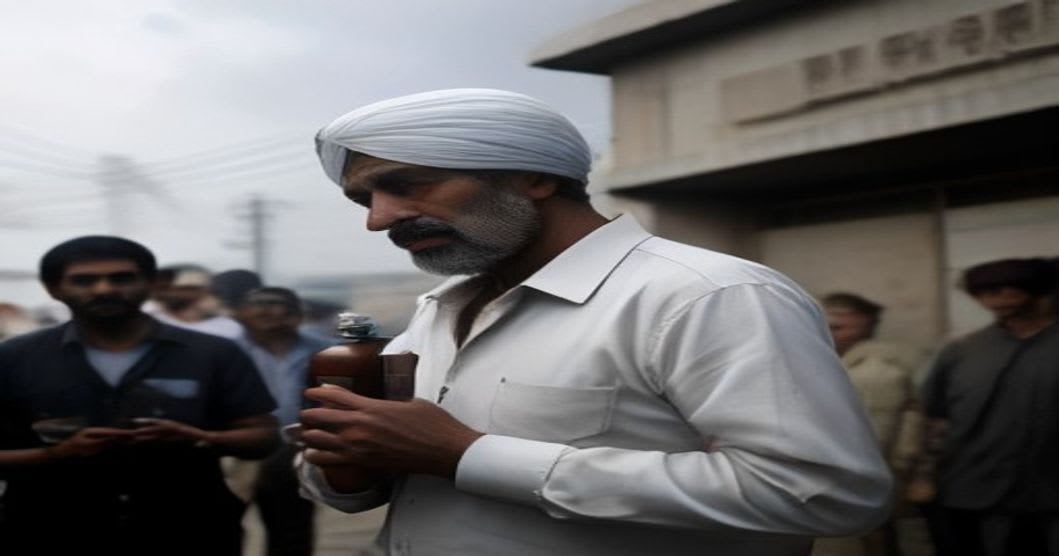
A Tragic Protest in Punjab
In a harrowing turn of events, a resident of Punjab reportedly ingested poison after confronting a state minister over the rampant sale of illicit drugs in his community. The incident, reported by India Today, has reignited a fierce debate about the state's ongoing drug crisis, the efficacy of political accountability, and the mental health toll on citizens who dare to speak out.
Background: Punjab’s Drug Epidemic
- Scale of the problem: Punjab has long been identified as one of India’s most affected regions by substance abuse, with reports indicating that up to 30% of the youth have experimented with narcotics.
- Economic and social impact: The drug trade fuels organized crime, depresses agricultural productivity, and strains families, often leading to a cycle of poverty and addiction.
- Government response: Successive state governments have launched campaigns, set up de‑addiction centers, and introduced stricter enforcement, yet many activists claim the measures are superficial and lack on‑ground enforcement.
The Incident: From Advocacy to Tragedy
- The grievance: The man, identified by local sources as Ravinder Singh (name changed for privacy), approached the Punjab minister’s office to highlight unchecked drug sales in his village. He presented a petition and demanded immediate action.
- The reaction: According to eyewitnesses, the minister’s aides dismissed the concerns, prompting Singh to feel ignored and powerless.
- The desperate act: Overcome with frustration, Singh allegedly consumed a bottle of poison in the minister’s office corridor, later being rushed to a nearby hospital where he succumbed to the toxins.
Political Implications
- Accountability pressure: The incident puts unprecedented pressure on the ruling party to demonstrate concrete action against drug peddlers, especially as elections loom.
- Public outcry: Civil society groups have organized candle‑light vigils demanding transparent investigations and stricter penalties for those facilitating drug trade.
- Policy re‑evaluation: Experts suggest that beyond punitive measures, Punjab must invest in mental‑health counseling for whistle‑blowers and strengthen community‑based monitoring.
Lessons and Way Forward
- Strengthen grievance redressal mechanisms: Establish an independent ombudsman for drug‑related complaints to ensure that citizens’ voices are heard without fear of retaliation.
- Enhance mental‑health support: Provide counseling services for activists and community leaders confronting drug networks, recognizing the psychological strain involved.
- Data‑driven enforcement: Deploy real‑time surveillance and data analytics to identify hotspots of drug distribution, allowing for targeted raids rather than blanket crackdowns.
- Community empowerment: Encourage local NGOs to lead awareness campaigns, fostering a culture where reporting illegal drug activity is normalized and protected.
The tragic death of a man who chose poison over silence is a stark reminder that the battle against drugs in Punjab is not merely a law‑enforcement issue—it is a human crisis demanding empathy, decisive governance, and a robust support system for those brave enough to speak out.
The story continues to develop, and further details will be added as official investigations unfold.
Original Reporting & Source: India Today Top Stories

Discussion (0)
Sign in to join the discussion.
No comments yet. Be the first to start the conversation!