Umang Sisodia • • 3 min read • 6 views
Trump Threatens Bombardier: Build in U.S. or Face Tariff Fallout
Overview
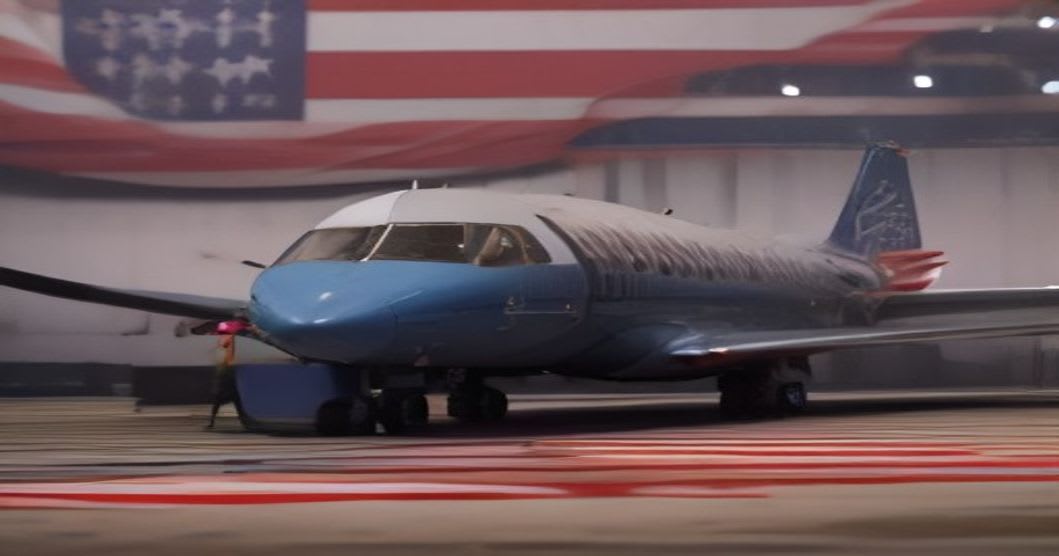
The United States and Canada have entered a new round of trade friction that could reshape North‑American aerospace and rail manufacturing. President Donald Trump has publicly warned Bombardier – the Quebec‑based aerospace and rail giant – that unless it shifts a significant portion of its production to the United States, it will lose access to the lucrative American market under the looming tariff regime.
Tariff Background
- Section 301 Investigation – In early 2018 the Trump administration launched a Section 301 probe into Canada’s aerospace sector, alleging that Canadian subsidies give firms like Bombardier an unfair advantage.
- Proposed Duties – The U.S. Trade Representative (USTR) has signaled tariffs of up to 25 % on Bombardier aircraft and rail cars imported into the United States.
- Canada’s Retaliation – Ottawa has threatened reciprocal measures, including higher duties on U.S. agricultural products, raising the stakes for both economies.
Bombardier's Dilemma
Bombardier, which supplies regional jets (CRJ series) and commuter trains, faces a strategic crossroads:
- Invest in U.S. Facilities – The company could accelerate its already‑announced plans for a new assembly line in Burlington, North Carolina, but this would require billions in capital and a skilled workforce.
- Accept Tariffs – Paying the duty would erode profit margins and make Bombardier’s products less competitive against rivals like Embraer and Siemens.
- Divest or Relocate – A more drastic option would be to shift production entirely out of Canada, a move that could provoke political backlash at home.
Political Stakes
- Domestic Politics – Trump’s hard‑line stance resonates with U.S. manufacturers who argue that foreign subsidies undermine American jobs.
- Canadian Election Cycle – The issue surfaces just months before Canada’s federal election, giving Prime Minister Justin Trudeau a rallying point to defend Canadian industry.
- Bilateral Relations – The dispute threatens the broader US‑Canada partnership that underpins NAFTA‑successor agreements such as the USMCA.
Industry Impact
- Supply‑Chain Disruption – A sudden shift of production could strain North‑American parts suppliers, leading to bottlenecks in both the aerospace and rail sectors.
- Market Share Shifts – Competitors may seize the opportunity to capture orders that Bombardier loses due to higher prices.
- Innovation Funding – Tariffs could cut back R&D budgets, slowing the development of next‑generation, fuel‑efficient aircraft and high‑speed train technologies.
What Lies Ahead?
- Negotiations – The USTR has indicated a willingness to discuss a “phase‑in” approach if Bombardier commits to a concrete U.S. investment timeline.
- Legislative Oversight – Congressional committees are expected to hold hearings on the economic impact of the proposed duties.
- Strategic Alliances – Bombardier may explore joint ventures with U.S. firms to mitigate tariff exposure while retaining its Canadian R&D base.
Takeaways
- The Trump‑Bombardier showdown is emblematic of a broader shift toward economic nationalism in North America.
- Manufacturing location decisions will increasingly be driven by geopolitical risk assessments rather than pure cost calculus.
- Stakeholders – from policymakers to investors – must monitor the evolving tariff negotiations, as the outcome will reverberate across the entire transportation ecosystem.
Stay tuned for updates as the U.S.‑Canada tariff dialogue unfolds and its real‑world consequences become clearer.
Original Reporting & Source: India Today Top Stories

Discussion (0)
Sign in to join the discussion.
No comments yet. Be the first to start the conversation!