Umang Sisodia • • 3 min read • 9 views
West Bengal Congress Files FIR Against Bageshwar Baba Over Controversial ‘No Meat’ Durga Puja Remarks
Background
Durga Puja, the grandest cultural festival of West Bengal, is not just a religious celebration but also a showcase of the state’s culinary traditions. Among the most beloved dishes are mutton and beef preparations, which are served at community feasts ("bhog") and private gatherings. In recent years, the conversation around meat consumption during the festival has become increasingly politicised, reflecting broader national debates on secularism, dietary choices, and religious identity.
The Incident
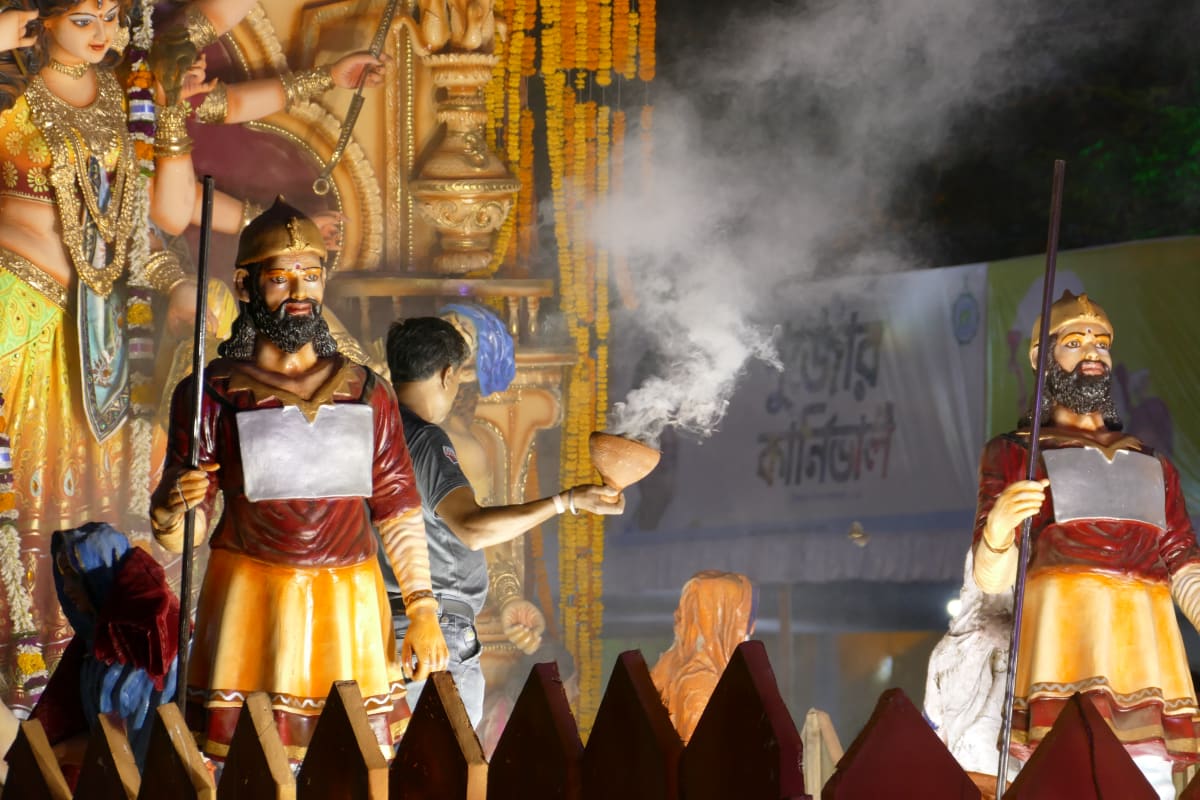
On [date], self‑styled spiritual leader Bageshwar Baba addressed a gathering at a Durga Puja pandal in Kolkata. In his sermon, he urged devotees to abstain from eating meat during the nine‑day celebration, citing “spiritual purity” and “respect for the goddess.” The remarks were captured on video and quickly went viral on social media, sparking a heated exchange between supporters of the Baba’s message and those defending the culinary customs of the festival.
Congress’s Legal Response
The West Bengal Pradesh Congress Committee (WBPCC) lodged a formal complaint with the Kolkata Police, accusing Bageshwar Baba of inciting communal disharmony and defaming cultural practices. The FIR alleges that the Baba’s statements, made in a public forum, could provoke unrest among communities that consider meat an integral part of Durga Puja celebrations. The Congress has framed the complaint as a defence of secular cultural rights and an attempt to prevent the politicisation of religious festivals.
Political Underpinnings
- Party Dynamics: The move comes ahead of the upcoming West Bengal Legislative Assembly elections, where the Congress is seeking to consolidate anti‑incumbent sentiment against the Trinamool Congress (TMC) and the BJP’s cultural agenda.
- Communal Sensitivities: The BJP has previously leveraged meat‑related controversies in other states to rally its Hindu nationalist base. By filing the FIR, the Congress aims to position itself as a guardian of pluralistic traditions.
- Public Reaction: Social media commentary is split. While some praise the Baba’s call for vegetarianism as a moral stance, many view the FIR as an over‑reach that threatens freedom of speech.
Legal and Social Implications
- Freedom of Speech vs. Hate Speech: Indian law distinguishes between protected expression and speech that threatens public order. Courts will examine whether the Baba’s remarks constitute hate speech or merely a personal religious viewpoint.
- Cultural Autonomy: The case raises questions about who gets to define “authentic” cultural practices—community members, religious leaders, or the state.
- Impact on Festival Atmosphere: Historically, Durga Puja has thrived on communal harmony. Prolonged legal battles could dampen the festive spirit and affect local economies reliant on the celebrations.
Takeaways
- The FIR underscores politics of culture in West Bengal, where festivals become battlegrounds for ideological contestation.
- Legal precedents on religious speech will be closely watched, potentially shaping future discourse on dietary customs during religious events across India.
- For the Congress, the filing is both a strategic move to court secular voters and a genuine attempt to protect cultural diversity.
What lies ahead? The outcome will hinge on judicial interpretation and the broader public’s willingness to engage in a nuanced conversation about tradition, belief, and the limits of religious exhortation.
The story continues to develop as more statements from the parties involved emerge.
Original Reporting & Source: ABP Live Top News

Discussion (0)
Sign in to join the discussion.
No comments yet. Be the first to start the conversation!