Umang Sisodia • • 3 min read • 21 views
UK Air Traffic Glitch Grounds 1,000 Flights, Halts Heathrow Arrivals
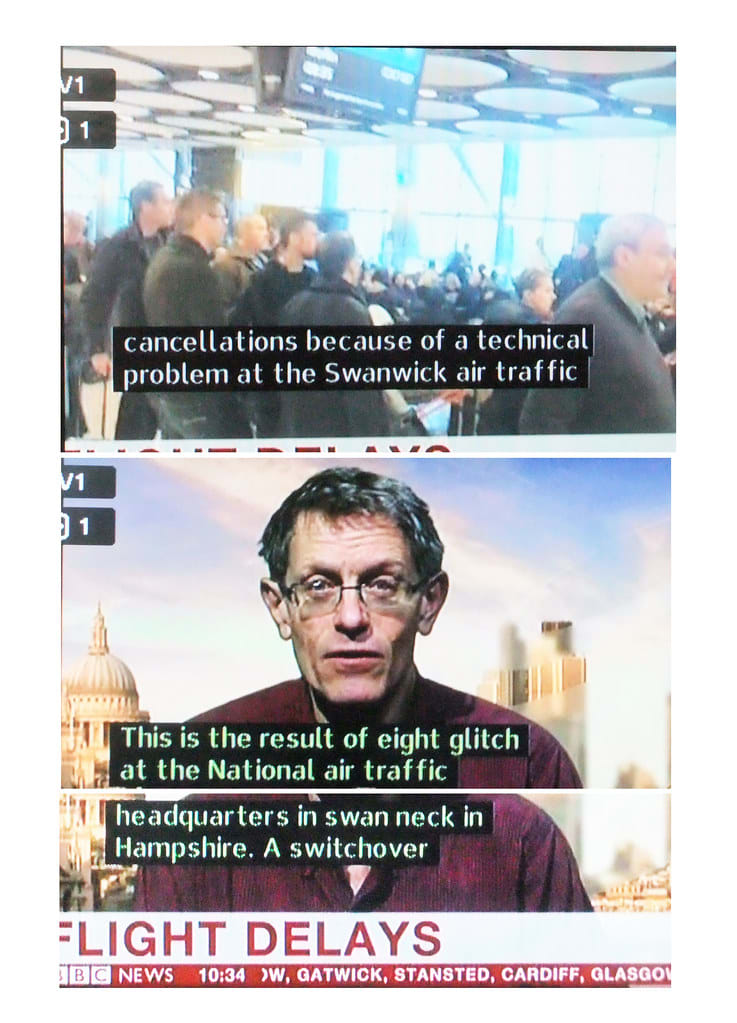
What Went Wrong?
On a typically bustling Tuesday morning, a technical fault in the United Kingdom’s air‑traffic management system forced National Air Traffic Services (NATS) to impose a capacity‑reduction measure across the national airspace. The glitch, traced to a software overload at the London Terminal Control Centre, triggered an automatic throttling of inbound aircraft, effectively shutting down arrivals at Heathrow Airport.
Scale of the Disruption
- ~1,000 flights across the UK were either delayed or cancelled within a six‑hour window.
- Heathrow, the world’s busiest single‑runway airport, saw its inbound flow reduced to zero, leaving passengers stranded on tarmacs and in terminal lounges.
- Major carriers such as British Airways, Virgin Atlantic, and low‑cost operators like easyJet were forced to re‑schedule or reroute aircraft, compounding operational chaos.
Why Did the Glitch Happen?
The root cause appears to be a software integration failure between NATS’s radar‑tracking modules and the new flight‑plan optimisation algorithm rolled out earlier this year. When the algorithm attempted to process an unusually high volume of flight plans—typical of the summer travel peak—it exceeded its memory allocation, prompting the system to default to a safety‑first mode that limits aircraft movements.
“Our systems are designed to protect safety above all. When a fault emerges, we have to err on the side of caution,” said a NATS spokesperson, echoing the industry’s long‑standing safety‑first culture.
Historical Context
The UK has faced similar air‑traffic snarls in the past:
- 2010 Snowstorm – a massive weather event that led to a three‑day shutdown at Heathrow.
- 2021 NATS outage – a cyber‑security breach that forced a temporary reduction in flight numbers. These incidents underscore the fragility of centralized air‑traffic infrastructure and the growing reliance on complex digital systems.
Wider Implications
- Economic Impact – The Office for Budget Responsibility estimates a £200‑million loss for airlines and ancillary businesses during such large‑scale disruptions.
- Passenger Experience – Frequent flyers reported stress, missed connections, and additional accommodation costs, highlighting the need for better contingency communication.
- Regulatory Scrutiny – The Civil Aviation Authority (CAA) has pledged a full audit of NATS’s software rollout process, emphasizing tighter oversight on future technology upgrades.
Steps Toward Resilience
- Redundant Systems: Aviation experts advocate for dual‑path processing where a backup algorithm can take over instantly.
- Incremental Rollouts: Phased implementation of new software, coupled with real‑time stress testing, can prevent overloads.
- Collaborative Forecasting: Greater data sharing between airlines, airports, and NATS could enable dynamic slot adjustments, reducing the domino effect of a single glitch.
Looking Ahead
While the immediate crisis is being managed—flights are slowly resuming, and passengers are being re‑accommodated—the incident serves as a wake‑up call for the entire European air‑traffic ecosystem. As traffic volumes rebound post‑pandemic, the balance between technological innovation and operational safety will be the defining challenge for NATS and its global partners.
For travelers planning upcoming trips, keep an eye on airline notifications and consider flexible ticket options. The skies may be open, but the infrastructure that guides them is still catching up.
Original Reporting & Source: India Today Top Stories

Discussion (0)
Sign in to join the discussion.
No comments yet. Be the first to start the conversation!