Umang Sisodia • • 3 min read • 4 views
US Strikes Five Iranian Tankers: A New Flashpoint in Gulf Maritime Tensions
Overview
The United States announced that it had destroyed five Iranian oil tankers in a coordinated operation, citing retaliation for recent attacks by the Islamic Revolutionary Guard Corps (IRGC) on commercial shipping. The move marks one of the most aggressive maritime actions by Washington against Tehran since the 2019 Gulf of Oman incidents and raises fresh concerns about the safety of global oil routes.
What Triggered the Strike?
- IRGC assaults: Over the past month, IRGC‑aligned fast attack craft and drones have targeted vessels transiting the Strait of Hormuz and the Red Sea, claiming to protect Iranian interests against perceived Israeli and Western aggression.
- U.S. warning: In a briefing last week, the Pentagon warned that any further attacks on neutral shipping would be met with “decisive” force.
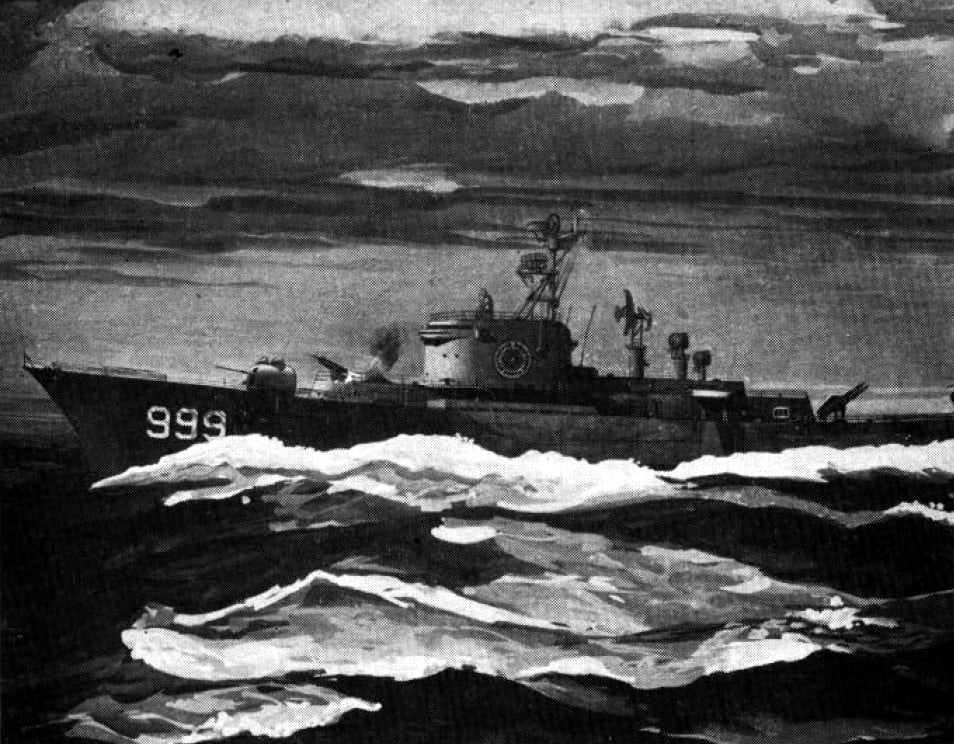
- Operational execution: According to the U.S. Central Command, Navy destroyers and maritime patrol aircraft intercepted and neutralised the five tankers, which were allegedly carrying fuel destined for Iranian ports.
Strategic Context
Regional Power Play
The Gulf remains a chessboard where the U.S., Iran, Saudi Arabia, and Israel vie for influence. By targeting Iranian tankers, Washington signals that it will not tolerate any escalation that threatens the free flow of oil—a lifeline for both regional economies and global markets.
Economic Ripple Effects
- Oil prices: Brent crude spiked by 2.5 % in the immediate aftermath, reflecting trader anxiety over supply disruptions.
- Shipping insurance: War‑risk premiums for vessels navigating the Strait of Hormuz surged, adding costs for exporters across Asia and Europe.
- Energy security: Nations reliant on Middle‑East oil are reassessing strategic reserves and diversifying supply chains.
International Reactions
- Iran: Tehran condemned the strikes as “illegal aggression” and vowed a proportional response, hinting at further missile deployments along its coastline.
- Allies: The United Kingdom and Australia expressed support for the U.S. action, emphasizing the need to protect commercial navigation.
- UN: A spokesperson urged restraint from all parties, warning that a tit‑for‑tat escalation could destabilise an already volatile region.
Potential Scenarios Moving Forward
| Scenario | Likelihood | Key Implications |
|---|---|---|
| Escalation – Iran launches missile attacks on commercial ships | Moderate | Disruption of oil flow, possible NATO involvement |
| Diplomatic de‑escalation – Back‑channel talks lead to a cease‑fire | Low | Temporary calm, but underlying tensions persist |
| Proxy warfare – Iran backs militia groups in Yemen to target shipping | High | Continued low‑intensity attacks, higher insurance costs |
Takeaways
- The U.S. is willing to employ kinetic force to protect maritime commerce, a stance that could deter future IRGC provocations but also risks widening the conflict.
- Global oil markets remain highly sensitive to security developments in the Gulf; investors should monitor both military actions and diplomatic overtures.
- Regional actors, especially Saudi Arabia and the UAE, will likely recalibrate their naval postures, potentially prompting a new wave of joint patrols with Western navies.
Bottom line: The destruction of five Iranian tankers underscores a precarious balance between deterrence and escalation in one of the world’s most critical shipping corridors. Stakeholders—from energy traders to policymakers—must navigate a rapidly shifting security landscape while keeping an eye on the broader geopolitical stakes.
Original Reporting & Source: India Today Top Stories

Discussion (0)
Sign in to join the discussion.
No comments yet. Be the first to start the conversation!