Umang Sisodia • • 4 min read • 7 views
Supreme Court Notices Noida Student Over CJI Protest – What It Means for Free Speech
The Incident in a Nutshell
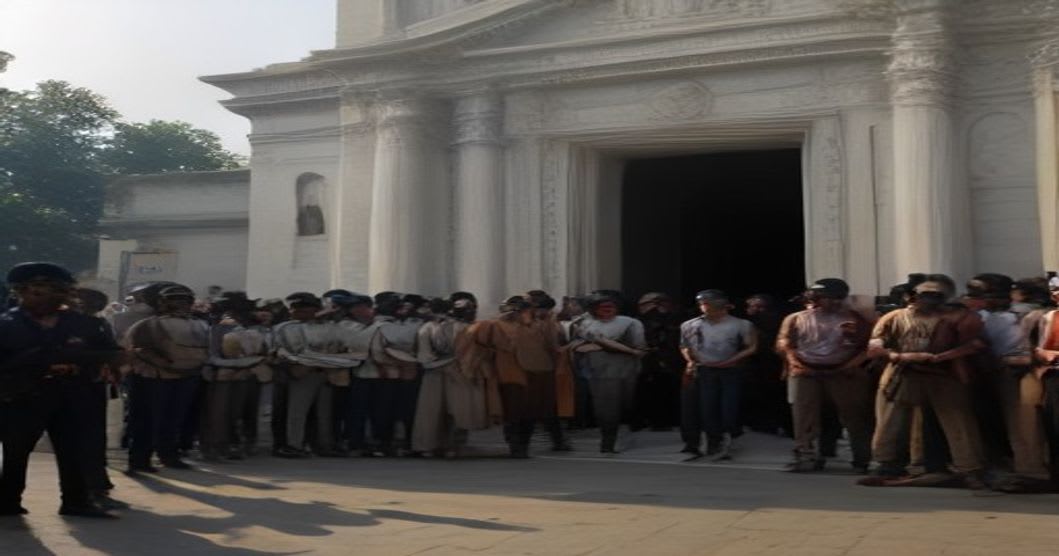
On a crisp morning in New Delhi, a 21‑year‑old student from Noida found herself on the wrong side of the nation’s highest court. The Supreme Court (SC) issued a formal notice to the young activist after she participated in a series of protests demanding the resignation of the Chief Justice of India (CJI) over alleged partisan judgments. The notice, framed as a contempt proceeding, has ignited a fierce debate about the boundaries of free speech, judicial accountability, and the role of student activism in India’s democratic fabric.
Why This Matters
- Judicial Independence vs. Accountability – While the judiciary must remain insulated from political pressure, it is also answerable to the public. The SC’s move is being read by many as a test of how far that insulation can stretch before it appears to suppress dissent.
- Free Speech Under Scrutiny – India’s Constitution guarantees freedom of expression, yet the Supreme Court has historically used contempt powers to curb speech it deems contemptuous. This case could redefine the balance.
- Student Voices in the Public Sphere – Historically, Indian students have been at the forefront of social change—from the anti‑Emergency protests of the 1970s to the recent climate strikes. Targeting a student could have a chilling effect on future civic engagement.
Legal Context
The Supreme Court’s contempt provisions (Sections 2 and 3 of the Contempt of Courts Act, 1971) empower it to punish any act that scandalises the court or interferes with the administration of justice. Critics argue that the language is overly broad and prone to misuse. In the past, the SC has taken action against journalists, activists, and even politicians for comments perceived as disrespectful. The current notice cites “scandalising the court” for the student’s slogans that called the CJI “politically biased” and “unfit to hold office.”
Reactions Across the Spectrum
- Legal Experts – Constitutional scholars like Prof. Madhav Khosla warn that using contempt to silence dissent could erode public trust. “The judiciary must protect its dignity, but not at the cost of democratic discourse,” he noted.
- Political Parties – Opposition leaders have seized on the notice as evidence of an “authoritarian tilt” within the judiciary, while the ruling party’s spokesperson defended the SC’s prerogative to maintain courtroom decorum.
- Civil Society – Organizations such as the Indian Centre for Human Rights have filed an amicus brief, urging the court to interpret contempt narrowly and uphold the spirit of Article 19(1)(a) of the Constitution.
- Student Community – Campus groups across Delhi and Kolkata have organized solidarity rallies, emphasizing that the student’s right to protest is “a cornerstone of a vibrant democracy.”
Potential Outcomes
- Dismissal of the Notice – If the SC rules that the protest fell within legitimate political expression, it could set a precedent for a more liberal interpretation of contempt.
- Upholding the Notice – A conviction would reinforce the court’s authority but risk alienating a generation of activists and possibly fuel further protests.
- Legislative Review – The controversy may spur Parliament to revisit the Contempt of Courts Act, tightening or clarifying its provisions.
Takeaways for Readers
- Stay Informed – Follow the case docket on the Supreme Court’s official website to track filings and judgments.
- Engage Responsibly – While protest is a constitutional right, activists should be aware of legal boundaries and seek counsel when necessary.
- Support Judicial Reform – Public discourse, petitions, and scholarly debate are essential tools for shaping a judiciary that is both independent and accountable.
The coming weeks will reveal whether the Supreme Court’s notice becomes a cautionary tale or a catalyst for deeper democratic introspection.
This analysis is based on publicly available reports and aims to provide context without legal advice.
Original Reporting & Source: The Quint

Discussion (0)
Sign in to join the discussion.
No comments yet. Be the first to start the conversation!