Umang Sisodia • • 3 min read • 10 views
15‑Foot Python Spotted Near Drain Triggers Crowd Frenzy in Indian City
Incident Overview
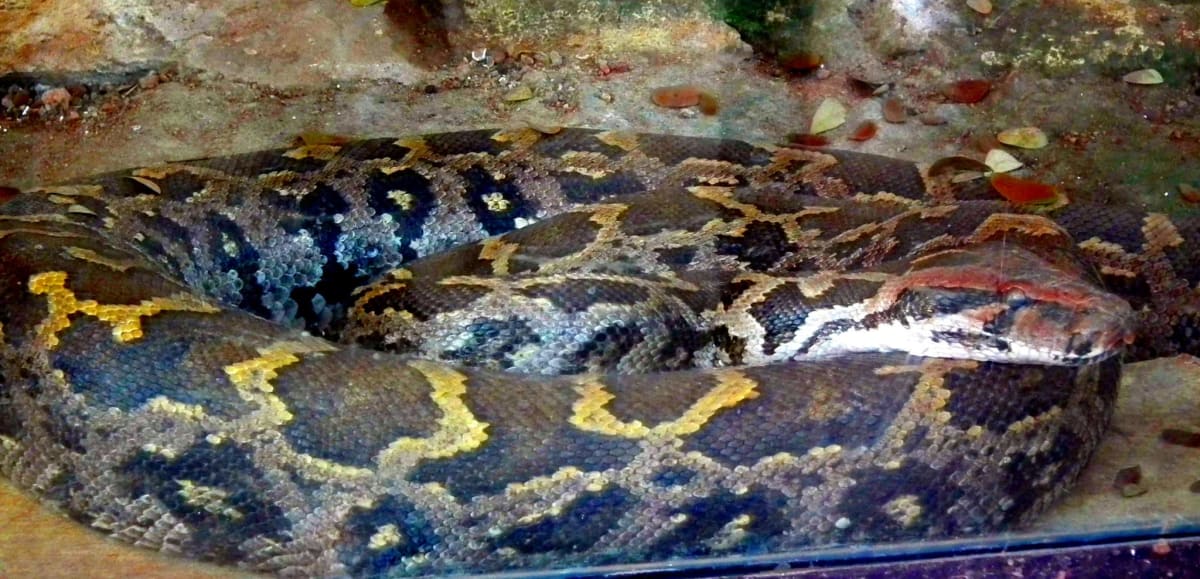
On a seemingly ordinary afternoon in an Indian neighborhood, a 15‑foot Indian python (commonly called ajgar) was seen coiled beside a municipal drainage channel. The sighting quickly turned into a viral spectacle as locals gathered, phones out, eager to capture the rare encounter on video. Within minutes, the area swelled with onlookers, some inching dangerously close in the hope of getting a better shot.
The Snake and Its Habitat
- Species: Likely a Python molurus (Indian rock python), one of the largest non‑venomous snakes in the sub‑continent.
- Size: Reports estimate the length at about 15 feet, a size that is uncommon in densely populated urban zones.
- Preferred Environment: These pythons favor forested habitats, water bodies, and agricultural fields. However, rapid urban expansion forces them to adapt, often leading them to seek shelter in drains, abandoned structures, or even residential compounds.
Crowd Dynamics and Social Media Impact
The incident underscores how quickly a local wildlife sighting can become a digital frenzy:
- Instantaneous Sharing: Within minutes, videos began circulating on platforms like Instagram, TikTok, and WhatsApp, amplifying curiosity and drawing even larger crowds.
- Human‑Nature Interaction: Many by‑standers approached the snake, attempting to get closer for a clearer frame, inadvertently increasing the risk of a defensive strike.
- Safety vs. Spectacle: While the desire to document is understandable, the proximity of phones and hands to a massive constrictor can provoke stress in the animal, leading to unpredictable behavior.
Safety Concerns and Authorities' Response
Local municipal officials and wildlife rescue teams were alerted:
- Immediate Actions: Police cordoned off the area to prevent further encroachment.
- Rescue Operations: Trained wildlife handlers arrived with equipment to safely relocate the python to a nearby sanctuary.
- Public Advisory: Residents were urged to maintain a safe distance and avoid feeding or provoking the snake.
Broader Context of Human‑Wildlife Encounters
India’s rapid urbanisation has resulted in frequent overlap between humans and wildlife:
- Habitat Encroachment: Forests and wetlands are being converted for housing and infrastructure, pushing animals into city limits.
- Seasonal Movements: Monsoon rains often flood natural habitats, driving snakes and other fauna toward man‑made water channels.
- Education Gap: Many city dwellers lack awareness about how to react to such encounters, leading to panic or, conversely, reckless curiosity.
Takeaways
- Respect Wildlife: Observing from a distance is both safer for humans and less stressful for the animal.
- Responsible Sharing: While documenting is tempting, prioritize safety over virality; avoid encouraging crowds.
- Community Preparedness: Municipalities should develop quick‑response protocols and public awareness campaigns to manage unexpected wildlife sightings.
- Conservation Perspective: Incidents like these highlight the need for preserving natural corridors that allow wildlife to move without entering congested urban spaces.
The 15‑foot python episode serves as a vivid reminder of the delicate balance between urban life and the wild creatures that still roam our streets. By fostering respect, improving education, and ensuring swift, humane interventions, cities can coexist more peacefully with their unexpected, slithering neighbors.
Original Reporting & Source: India Today Top Stories

Discussion (0)
Sign in to join the discussion.
No comments yet. Be the first to start the conversation!