Umang Sisodia • • 4 min read • 10 views
Philippine Defence Chief Calls Out China’s ‘Disrespect’ at Seoul Dialogue
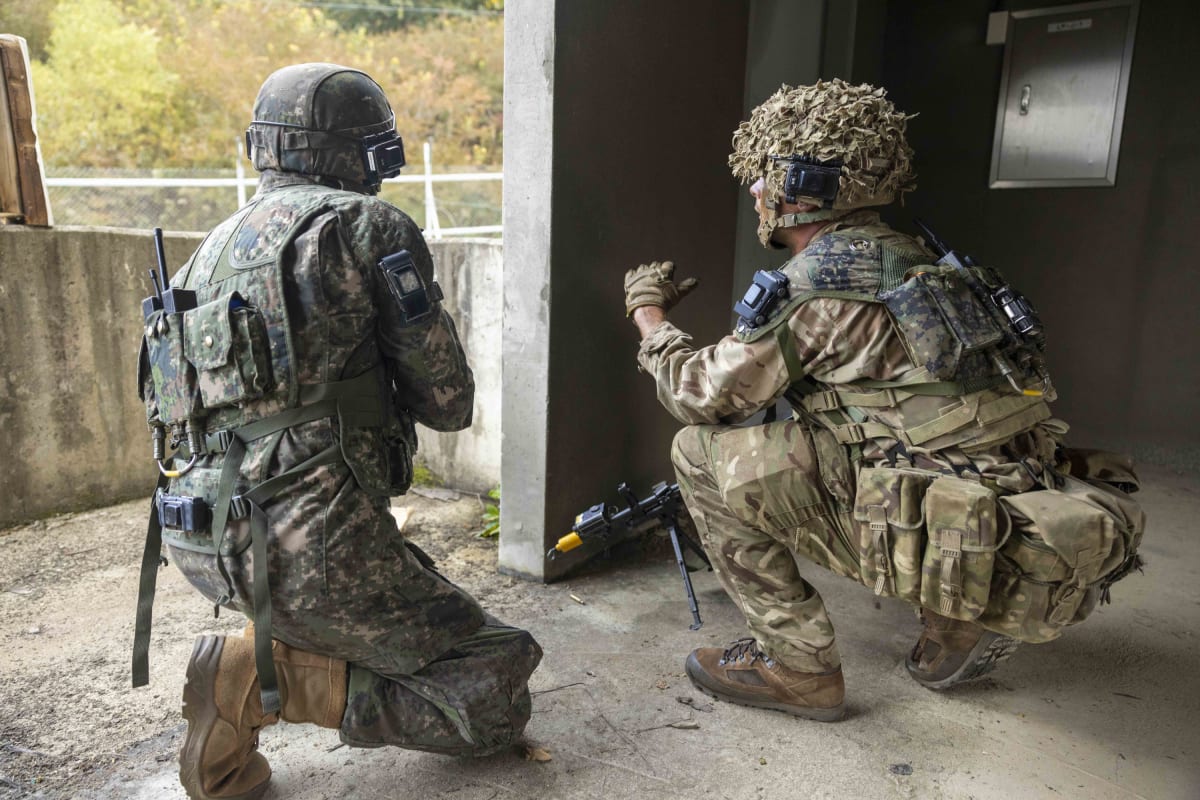
Tensions Surface at the Seoul Defence Dialogue
The annual Seoul Defence Dialogue—a high‑profile gathering of defence ministers from across the Indo‑Pacific—has once again become a flashpoint for regional rivalries. This year, Philippine Defence Secretary Gilberto Teodoro publicly accused China of showing “disrespect” toward the Philippines, reigniting debates over maritime sovereignty, alliance dynamics, and the future of security cooperation in East Asia.
Why the Seoul Dialogue Matters
- Strategic venue: Held in South Korea’s capital, the forum brings together the United States, Japan, Australia, the Philippines, and other partners to discuss deterrence, joint exercises, and technology sharing.
- Geopolitical crossroads: The Korean Peninsula sits at the intersection of China’s expanding naval footprint and the U.S.-led Indo‑Pacific strategy, making any diplomatic friction highly visible.
- Symbolic platform: For smaller states like the Philippines, the dialogue offers a rare stage to voice concerns directly to major powers and to showcase their own defence reforms.
The Incident: A Diplomatic Slip?
During a closed‑door session, Secretary Teodoro alleged that Chinese officials had repeatedly interrupted the Philippines’ remarks and dismissed their concerns about incursions in the South China Sea. He described the behavior as “disrespectful,” emphasizing that such conduct undermines the spirit of multilateral dialogue.
Key points from Teodoro’s statement:
- Repeated interruptions – Chinese delegates allegedly cut off the Philippines’ speaking time on three occasions.
- Dismissive language – Remarks that framed Manila’s maritime claims as “overblown” were cited as evidence of contempt.
- Call for respect – Teodoro urged all participants to honor the “principles of mutual respect and sovereign equality” that undergird the forum.
While the Chinese side has not issued a formal rebuttal, officials hinted that the comments were “misinterpreted” and stressed the importance of maintaining “constructive engagement.”
Broader Context: From the South China Sea to the Korean Peninsula
| Issue | Relevance to the Dialogue |
|---|---|
| South China Sea disputes | The Philippines, Vietnam, Malaysia, and Brunei contest China’s expansive “nine‑dash line.” Manila’s recent court victories and increased patrols have heightened Beijing’s sensitivity. |
| U.S.–Japan–Philippines security pact | The 2022 Reciprocal Access Agreement and the 2023 Joint Maritime Exercise signal deeper cooperation, which Beijing views as containment. |
| North Korean missile tests | While not directly linked to the Philippines‑China spat, the broader security environment in Seoul influences how allies prioritize threats. |
The clash at the dialogue underscores how regional security forums are no longer just about collective defence drills; they are also arenas where sovereignty narratives clash.
What This Means for Regional Stability
- Potential diplomatic cooling – If China perceives the Philippines’ remarks as a provocation, it may scale back confidence‑building measures, affecting joint fisheries or search‑and‑rescue initiatives.
- Re‑affirmation of alliances – Manila’s willingness to call out Beijing publicly signals a deeper alignment with the United States and its allies, possibly prompting more joint exercises and arms purchases.
- Impact on future dialogues – Organisers may tighten procedural rules to prevent interruptions, or conversely, they might adopt a more informal format to encourage candid exchanges.
Takeaways for Policy Makers and Observers
- Maintain diplomatic channels – Even when public statements become sharp, back‑channel communications remain essential to avoid escalation.
- Leverage multilateral platforms – Smaller states can amplify their concerns by using forums like the Seoul Dialogue, where media coverage magnifies their voice.
- Balance deterrence and dialogue – A nuanced approach that couples robust defence posturing with sincere diplomatic overtures will be key to preventing a spiral of mistrust.
In sum, the Seoul Defence Dialogue has once again proven to be a micro‑cosm of the larger Indo‑Pacific power contest. The Philippine defence chief’s outspoken criticism of China not only highlights lingering frictions over the South China Sea but also signals Manila’s intent to play a more assertive role within regional security architectures. How Beijing responds—and how other partners manage the fallout—will shape the tone of future multilateral engagements across the Pacific rim.
For further reading, see the official statements from the Ministry of Defence of the Philippines, the Chinese Ministry of National Defence, and the Korean Ministry of National Defense, released after the dialogue.
Original Reporting & Source: India Today Top Stories

Discussion (0)
Sign in to join the discussion.
No comments yet. Be the first to start the conversation!