Umang Sisodia • • 3 min read • 16 views

AI-Driven 80s Retro Craze Takes Over Indian Politicians' Social Feeds
AI-Driven 80s Retro Craze Takes Over Indian Politicians' Social Feeds

The Unexpected Fusion of AI and Nostalgia

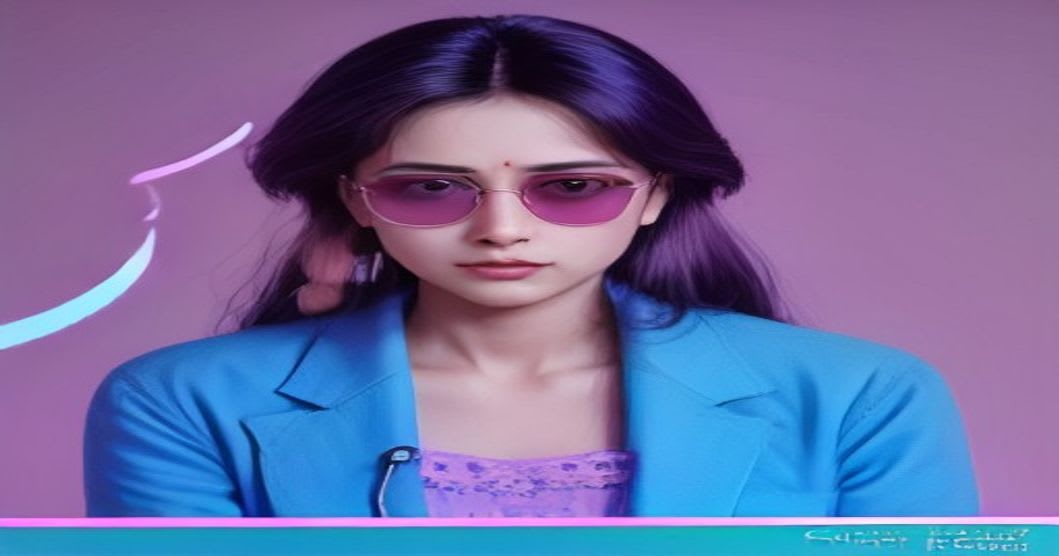
In the last week, a wave of AI‑generated, 1980s‑styled portraits has swept across the timelines of Indian politicians. From veteran diplomat Shashi Tharoor to Union Minister Piyush Goyal, leaders are sharing retro‑look images that blend neon palettes, mullet haircuts, and vintage fashion with their own faces. The trend, sparked by a new wave of generative‑AI tools that let users upload a photo and instantly transform it into a decade‑specific avatar, is more than a quirky social‑media stunt – it signals a shift in how political figures engage with digital culture.

How the AI Retro Filter Works

  • Input: A clear headshot of the politician.
  • Algorithm: A diffusion model trained on thousands of 1980s media – Bollywood posters, MTV graphics, and classic newspaper layouts.
  • Output: A high‑resolution portrait with era‑appropriate lighting, color grading, and accessories (think oversized sunglasses, cassette players, and pastel blazers).

The ease of generating these images has lowered the barrier for politicians to experiment with visual storytelling. No graphic designer is needed; a few clicks on a mobile app produce a share‑ready picture that instantly feels nostalgic.

Why Leaders Are Jumping In

  1. Humanising Image – In an age where political communication is often sterile, a retro avatar offers a playful, relatable side.
  2. Digital Savviness – By embracing AI tools, politicians signal that they are tech‑aware, appealing to younger, digitally native voters.
  3. Media Virality – The novelty factor guarantees higher engagement; posts featuring the retro look have recorded up to 3× the usual likes and shares.

Both Tharoor and Goyal accompanied their posts with witty captions referencing classic 80s catchphrases, further amplifying the meme‑potential.

Public Reaction: Delight, Skepticism, and Concern

The reaction has been mixed. While many netizens applauded the light‑hearted approach, critics warned about the broader implications of AI‑generated imagery:

  • Misinformation Risks – If a simple app can alter a politician’s appearance, the same technology could fabricate statements or events.
  • Authenticity Debate – Some argue that leaders should maintain a consistent visual identity rather than hopping onto fleeting trends.
  • Cultural Nostalgia – The 80s era holds a special place in Indian pop culture, evoking memories of early satellite TV, cassette tapes, and the first wave of economic liberalisation.

The Bigger Picture: AI, Politics, and Visual Credibility

The retro‑filter craze is a microcosm of a larger conversation about AI’s role in public discourse. Governments worldwide are grappling with how to regulate deep‑fakes, watermark AI outputs, and educate citizens on media literacy. In India, the Ministry of Electronics and Information Technology has recently announced a task force to study AI‑generated content, but concrete guidelines are still pending.

Takeaways for the Future

  • Transparency: Politicians should disclose when an image is AI‑enhanced to maintain trust.
  • Guidelines: Clear standards for political use of generative AI can prevent misuse.
  • Engagement Strategy: Leveraging AI for creative outreach can be effective, provided it aligns with the leader’s brand and the audience’s expectations.

As the line between reality and algorithmic art blurs, the 80s retro wave reminds us that technology can be both a tool for connection and a catalyst for debate. Whether this trend fades like a synth‑pop hit or evolves into a new norm of AI‑augmented political communication remains to be seen.


By [Your Name], Senior Chief Editor & Photojournalist Director


Original Reporting & Source: India Today Top Stories

Discussion (0)

Sign in to join the discussion.

No comments yet. Be the first to start the conversation!

| |

AI-Driven 80s Retro Craze Takes Over Indian Politicians' Social Feeds

By Umang Sisodia • 3 min read • 16 views

The Unexpected Fusion of AI and Nostalgia

In the last week, a wave of AI‑generated, 1980s‑styled portraits has swept across the timelines of Indian politicians. From veteran diplomat Shashi Tharoor to Union Minister Piyush Goyal, leaders are sharing retro‑look images that blend neon palettes, mullet haircuts, and vintage fashion with their own faces. The trend, sparked by a new wave of generative‑AI tools that let users upload a photo and instantly transform it into a decade‑specific avatar, is more than a quirky social‑media stunt – it signals a shift in how political figures engage with digital culture.

How the AI Retro Filter Works

  • Input: A clear headshot of the politician.
  • Algorithm: A diffusion model trained on thousands of 1980s media – Bollywood posters, MTV graphics, and classic newspaper layouts.
  • Output: A high‑resolution portrait with era‑appropriate lighting, color grading, and accessories (think oversized sunglasses, cassette players, and pastel blazers).

The ease of generating these images has lowered the barrier for politicians to experiment with visual storytelling. No graphic designer is needed; a few clicks on a mobile app produce a share‑ready picture that instantly feels nostalgic.

Why Leaders Are Jumping In

  1. Humanising Image – In an age where political communication is often sterile, a retro avatar offers a playful, relatable side.
  2. Digital Savviness – By embracing AI tools, politicians signal that they are tech‑aware, appealing to younger, digitally native voters.
  3. Media Virality – The novelty factor guarantees higher engagement; posts featuring the retro look have recorded up to 3× the usual likes and shares.

Both Tharoor and Goyal accompanied their posts with witty captions referencing classic 80s catchphrases, further amplifying the meme‑potential.

Public Reaction: Delight, Skepticism, and Concern

The reaction has been mixed. While many netizens applauded the light‑hearted approach, critics warned about the broader implications of AI‑generated imagery:

  • Misinformation Risks – If a simple app can alter a politician’s appearance, the same technology could fabricate statements or events.
  • Authenticity Debate – Some argue that leaders should maintain a consistent visual identity rather than hopping onto fleeting trends.
  • Cultural Nostalgia – The 80s era holds a special place in Indian pop culture, evoking memories of early satellite TV, cassette tapes, and the first wave of economic liberalisation.

The Bigger Picture: AI, Politics, and Visual Credibility

The retro‑filter craze is a microcosm of a larger conversation about AI’s role in public discourse. Governments worldwide are grappling with how to regulate deep‑fakes, watermark AI outputs, and educate citizens on media literacy. In India, the Ministry of Electronics and Information Technology has recently announced a task force to study AI‑generated content, but concrete guidelines are still pending.

Takeaways for the Future

  • Transparency: Politicians should disclose when an image is AI‑enhanced to maintain trust.
  • Guidelines: Clear standards for political use of generative AI can prevent misuse.
  • Engagement Strategy: Leveraging AI for creative outreach can be effective, provided it aligns with the leader’s brand and the audience’s expectations.

As the line between reality and algorithmic art blurs, the 80s retro wave reminds us that technology can be both a tool for connection and a catalyst for debate. Whether this trend fades like a synth‑pop hit or evolves into a new norm of AI‑augmented political communication remains to be seen.


By [Your Name], Senior Chief Editor & Photojournalist Director


Original Reporting & Source: India Today Top Stories