Umang Sisodia • • 3 min read • 13 views
From V‑2 Rockets to the International Space Station: How Fruit Flies Pioneered Space Biology
The Unlikely Astronauts of 1947
In the aftermath of World War II, the United States seized a captured German V‑2 rocket and repurposed it for scientific exploration. Among the payloads were dozens of fruit flies (Drosophila melanogaster), the first living organisms to leave Earth’s atmosphere. The experiment, conducted at the White Sands Proving Ground, aimed to answer a simple yet profound question: Can life survive the extreme conditions of space? The flies survived the launch, the brief weightlessness, and the re‑entry, providing the earliest proof that complex biological systems could endure space travel.
Why Fruit Flies?
Fruit flies have been a laboratory staple for over a century. Their short life cycle, fully sequenced genome, and well‑understood developmental pathways make them ideal for space‑biology studies. In 1947, these traits were leveraged to create a low‑cost, high‑impact experiment that required minimal hardware but yielded maximum scientific insight.
NASA’s Renewed Interest Decades Later
Fast‑forward to the 1990s and 2000s: NASA’s Life Sciences Division revisited the fruit fly model to explore how microgravity influences:
- Gene expression – changes in DNA transcription that affect metabolism and stress response.
- Developmental timing – alterations in embryogenesis and metamorphosis.
- Neuro‑muscular function – impacts on flight muscle formation and behavior.
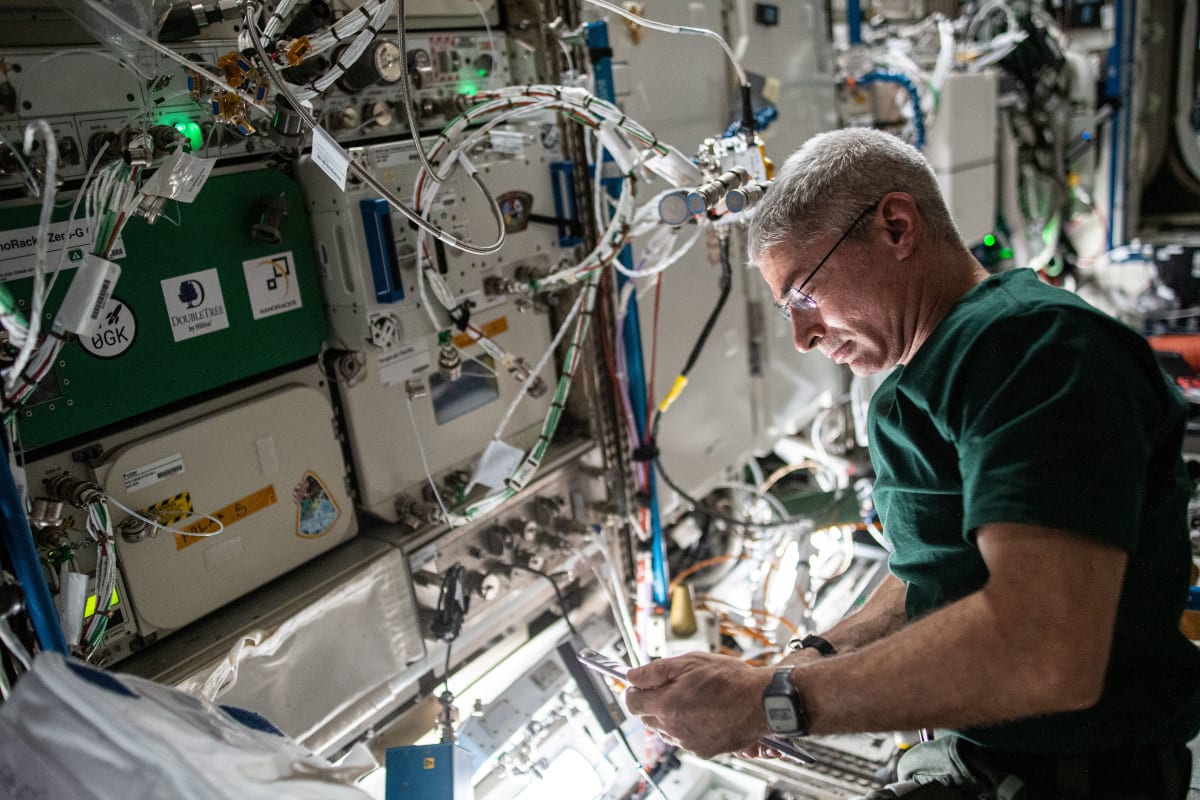
These studies were conducted aboard the Space Shuttle, the International Space Station (ISS), and even on sub‑orbital flights. By comparing space‑flown flies with ground‑based controls, researchers uncovered that microgravity can accelerate certain developmental stages while suppressing others, offering clues about human health risks such as bone loss and muscle atrophy.
Key Findings and Their Broader Implications
- Epigenetic Shifts – Microgravity triggers reversible modifications in histone proteins, suggesting that space exposure can temporarily re‑program gene activity.
- Radiation Sensitivity – Fruit flies exposed to cosmic radiation exhibit higher mutation rates, informing shielding requirements for long‑duration missions.
- Behavioral Changes – Space‑flown flies display altered circadian rhythms and reduced flight ability, mirroring sleep‑disruption issues observed in astronauts.
These insights feed directly into human biomedical research, helping NASA design countermeasures for muscle degeneration, immune dysfunction, and cognitive decline during deep‑space travel.
The Legacy of the 1947 Flight
The humble fruit fly’s 1947 voyage set a precedent for bio‑payloads in space. It demonstrated that life could be studied beyond Earth, paving the way for more sophisticated experiments involving rodents, plants, and even human tissue cultures. Moreover, the mission underscored the value of repurposing existing technology – a captured enemy rocket became a scientific bridge between wartime engineering and peaceful exploration.
Looking Ahead
As private companies like SpaceX and Blue Origin commercialize low‑Earth orbit, the demand for compact, cost‑effective biological experiments will surge. Fruit flies, with their proven track record, are poised to return to the frontiers of space biology, perhaps hitching rides on CubeSats or sub‑orbital rockets to answer new questions about life in microgravity.
Takeaway: The 1947 V‑2 fruit‑fly mission was more than a novelty; it was the first chapter in a story that links wartime technology, pioneering genetics, and the future of human spaceflight.
For further reading, explore NASA’s Drosophila research archives and the historic footage of the White Sands V‑2 launch.
Original Reporting & Source: The Times of India

Discussion (0)
Sign in to join the discussion.
No comments yet. Be the first to start the conversation!