Umang Sisodia • • 3 min read • 8 views
BRICS Expansion Puts India's Diplomatic Tightrope in Focus
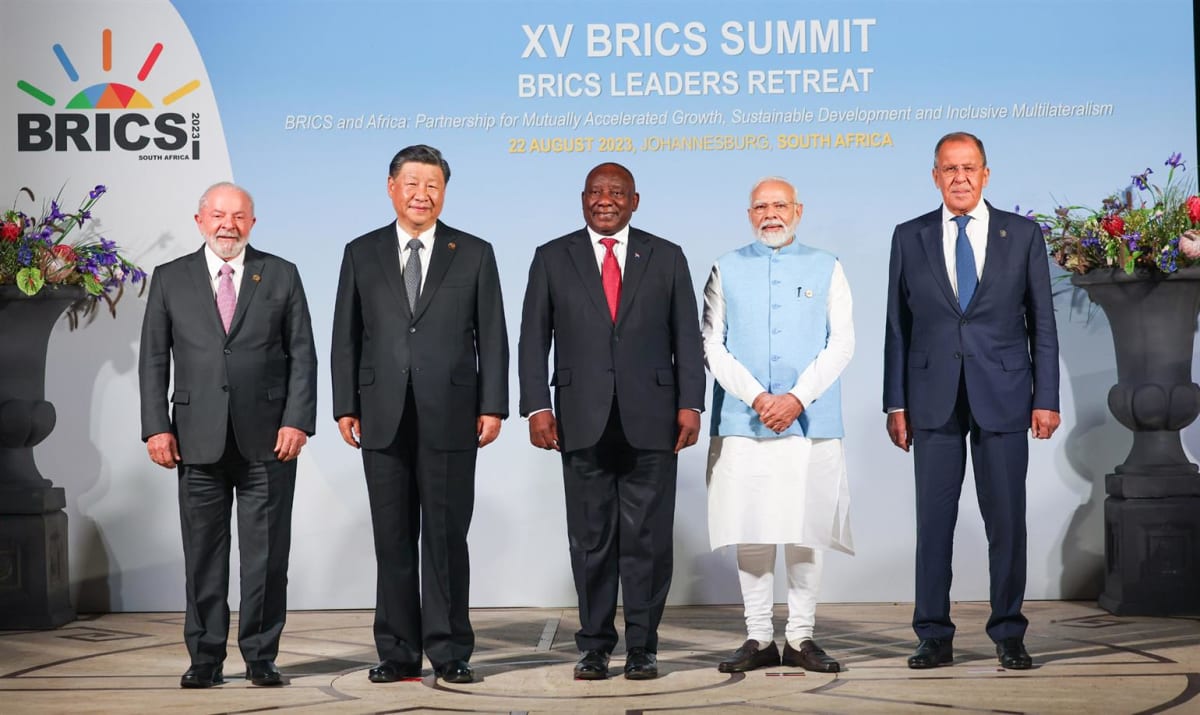
The New BRICS Landscape
The latest round of BRICS enlargement—adding six new members ranging from Saudi Arabia to Argentina—has turned the group into a truly global bloc. For India, the shift is more than a numbers game; it is a litmus test of its ability to juggle competing ties with China, Russia, and the Western alliance.
Why the Expansion Matters
- Geopolitical weight – The new members collectively account for a significant share of global GDP and strategic resources, reshaping the bloc’s bargaining power.
- Economic opportunities – India sees a chance to deepen trade, especially in technology, energy, and infrastructure, with nations that are eager to diversify away from Western markets.
- Strategic signaling – By welcoming countries like Saudi Arabia, BRICS signals a move toward a multipolar world order, challenging the dominance of the U.S.-EU axis.
India's Balancing Act: A Three‑Way Chess Game
India’s foreign policy has long been described as strategic autonomy—the pursuit of national interests without being tethered to any single power bloc. The BRICS expansion forces India to reassess this stance on three fronts:
- China – While both nations share a vision of a multipolar order, they are also rivals in the Indo‑Pacific. The addition of countries with strong Chinese economic ties (e.g., Saudi Arabia) could tilt the internal dynamics of BRICS toward Beijing’s favor.
- Russia – The war in Ukraine has isolated Moscow, yet Russia remains a key defense partner for India. The inclusion of nations that are wary of Russia’s actions may pressure New Delhi to moderate its defence cooperation.
- The West – India’s deepening strategic partnership with the United States, the Quad, and its participation in NATO‑related exercises cannot be ignored. A larger, more diverse BRICS could complicate Washington’s perception of India’s alignment.
Key Risks and Opportunities
- Risk of diplomatic dilution – With more voices at the table, consensus becomes harder, potentially weakening BRICS’s ability to act as a cohesive counterweight to the West.
- Opportunity for leadership – India can position itself as a bridge, championing reforms that make BRICS more transparent and economically integrated, thereby enhancing its own global standing.
- Economic leverage – New trade corridors, especially in renewable energy and digital services, could reduce India’s reliance on traditional Western markets.
The Way Forward: Pragmatism Over Ideology
India’s policymakers appear to be adopting a pragmatic approach:
- Selective engagement – Prioritising sectors where cooperation yields tangible benefits, such as green technology and infrastructure financing.
- Strategic hedging – Maintaining strong defence ties with Russia while expanding security cooperation with the U.S. and Japan.
- Diplomatic outreach – Using its role in BRICS to advocate for reforms in global institutions like the IMF and World Bank, aligning with its broader ‘Act East’ and ‘Neighbourhood First’ doctrines.
Takeaway
The BRICS expansion is not merely a reshuffling of club membership; it is a crucible that will test India’s diplomatic dexterity. By navigating the competing interests of China, Russia, and the West, New Delhi can either cement its status as a pivotal global player or find itself stretched thin across contradictory alliances.
Author’s note: This analysis draws on recent statements from the Ministry of External Affairs, think‑tank briefs, and the outcomes of the latest BRICS summit held in Johannesburg.
Original Reporting & Source: The Quint

Discussion (0)
Sign in to join the discussion.
No comments yet. Be the first to start the conversation!