Umang Sisodia • • 3 min read • 7 views

When Diplomacy Meets Bollywood: Piyush Goyal Brands Russia’s Trade Minister ‘Dashing’
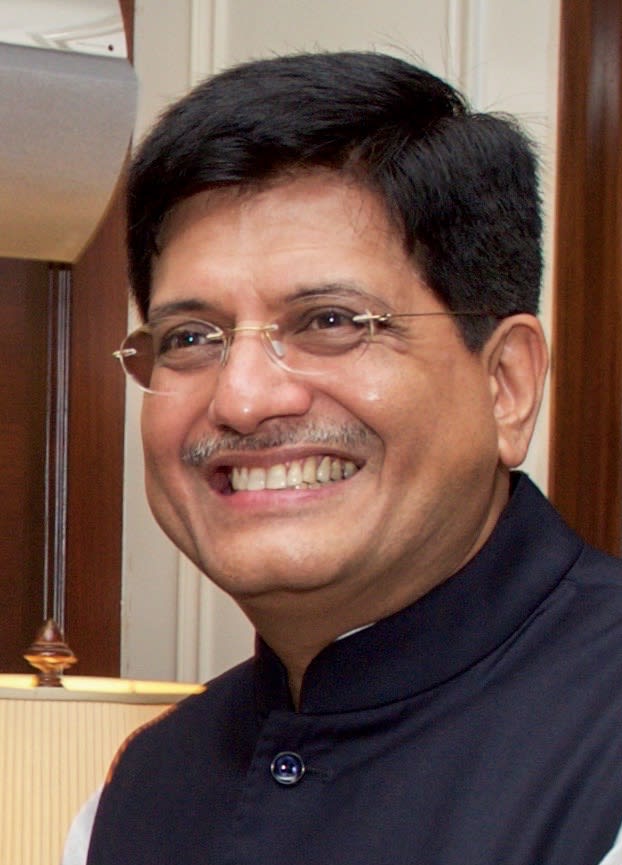
When Diplomacy Meets Bollywood: Piyush Goyal Brands Russia’s Trade Minister ‘Dashing’

A Light‑Hearted Comment in a Heavy Trade Talk

During a recent India‑Russia trade dialogue, Union Minister for Commerce and Industry Piyush Goyal surprised the diplomatic corps with a comment that quickly went viral: he described Russian Trade Minister Anatoly Antonov as “dashing” and quipped that the minister could easily fit the role of a Bollywood hero. While the remark sparked a flurry of memes, it also opened a window into the evolving narrative of Indo‑Russian ties, where soft‑power gestures often accompany hard‑nosed economic negotiations.


The Context Behind the Quip

  • Strategic partnership: India and Russia have long shared a strategic partnership, anchored in defence, energy, and space cooperation. In 2023, bilateral trade crossed the $30 billion mark, with a renewed push to diversify beyond oil and arms.
  • Trade agenda: The meeting in New Delhi focused on expanding cooperation in sectors such as pharmaceuticals, information technology, and agricultural commodities. Both sides are keen to offset Western sanctions on Russia by deepening ties with Asian markets.
  • Cultural diplomacy: India’s soft power—especially Bollywood—has been a subtle diplomatic tool for decades. Indian films have enjoyed a cult following in Russia since the Soviet era, and recent co‑production talks aim to revive that cultural bridge.

Goyal’s comment, though informal, can be seen as a strategic use of cultural reference to ease the atmosphere and signal a willingness to deepen people‑to‑people connections.


Why ‘Dashing’ Matters in Diplomacy

  1. Humanising the interlocutor – By focusing on personal charisma rather than policy differences, Goyal reduced the perceived tension around trade negotiations.
  2. Media amplification – The phrase instantly caught the attention of social media platforms, generating goodwill and a lighter narrative around a complex economic agenda.
  3. Bollywood as a diplomatic metaphor – Referencing Bollywood taps into a shared cultural memory; Russian audiences have historically embraced Indian cinema, making the analogy both familiar and endearing.

Reactions Across the Spectrum

  • Political analysts noted that the remark reflects a broader trend of Indian politicians employing pop‑culture language to connect with younger voters and global audiences.
  • Russian officials responded with a smile, acknowledging the compliment while steering the conversation back to trade specifics.
  • Public sentiment on Indian social media ranged from amusement (with countless memes featuring Antonov in classic Bollywood poses) to criticism, with some arguing that the comment trivialised serious economic discussions.

The Bigger Picture: Soft Power Meets Hard Economics

India’s diplomatic playbook increasingly blends soft power—cinema, cuisine, yoga—with hard economic interests. The Goyal‑Antonov exchange exemplifies this hybrid approach:

  • Cultural exchange programs are being revived, including film festivals in Moscow showcasing contemporary Indian cinema.
  • Business delegations are now accompanied by cultural troupes, aiming to create a holistic experience for foreign partners.
  • Policy implications suggest that future trade agreements may incorporate joint media ventures, leveraging Bollywood’s global reach to promote Indian products abroad.

Takeaways

  • A seemingly off‑hand comment can serve as a diplomatic ice‑breaker, fostering a congenial environment for negotiations.
  • Bollywood remains a potent diplomatic asset, capable of bridging cultural gaps between India and Russia.
  • The interplay of humor, media, and trade underscores the modern reality that politics is as much about perception as it is about policy.

As India navigates a multipolar world, moments like these remind us that the language of diplomacy is evolving—sometimes it’s a trade deal, and sometimes it’s a Bollywood dance step.


Original Reporting & Source: India Today Top Stories

Discussion (0)

Sign in to join the discussion.

No comments yet. Be the first to start the conversation!

| |

When Diplomacy Meets Bollywood: Piyush Goyal Brands Russia’s Trade Minister ‘Dashing’

By Umang Sisodia • 3 min read • 7 views

A Light‑Hearted Comment in a Heavy Trade Talk

During a recent India‑Russia trade dialogue, Union Minister for Commerce and Industry Piyush Goyal surprised the diplomatic corps with a comment that quickly went viral: he described Russian Trade Minister Anatoly Antonov as “dashing” and quipped that the minister could easily fit the role of a Bollywood hero. While the remark sparked a flurry of memes, it also opened a window into the evolving narrative of Indo‑Russian ties, where soft‑power gestures often accompany hard‑nosed economic negotiations.


The Context Behind the Quip

  • Strategic partnership: India and Russia have long shared a strategic partnership, anchored in defence, energy, and space cooperation. In 2023, bilateral trade crossed the $30 billion mark, with a renewed push to diversify beyond oil and arms.
  • Trade agenda: The meeting in New Delhi focused on expanding cooperation in sectors such as pharmaceuticals, information technology, and agricultural commodities. Both sides are keen to offset Western sanctions on Russia by deepening ties with Asian markets.
  • Cultural diplomacy: India’s soft power—especially Bollywood—has been a subtle diplomatic tool for decades. Indian films have enjoyed a cult following in Russia since the Soviet era, and recent co‑production talks aim to revive that cultural bridge.

Goyal’s comment, though informal, can be seen as a strategic use of cultural reference to ease the atmosphere and signal a willingness to deepen people‑to‑people connections.


Why ‘Dashing’ Matters in Diplomacy

  1. Humanising the interlocutor – By focusing on personal charisma rather than policy differences, Goyal reduced the perceived tension around trade negotiations.
  2. Media amplification – The phrase instantly caught the attention of social media platforms, generating goodwill and a lighter narrative around a complex economic agenda.
  3. Bollywood as a diplomatic metaphor – Referencing Bollywood taps into a shared cultural memory; Russian audiences have historically embraced Indian cinema, making the analogy both familiar and endearing.

Reactions Across the Spectrum

  • Political analysts noted that the remark reflects a broader trend of Indian politicians employing pop‑culture language to connect with younger voters and global audiences.
  • Russian officials responded with a smile, acknowledging the compliment while steering the conversation back to trade specifics.
  • Public sentiment on Indian social media ranged from amusement (with countless memes featuring Antonov in classic Bollywood poses) to criticism, with some arguing that the comment trivialised serious economic discussions.

The Bigger Picture: Soft Power Meets Hard Economics

India’s diplomatic playbook increasingly blends soft power—cinema, cuisine, yoga—with hard economic interests. The Goyal‑Antonov exchange exemplifies this hybrid approach:

  • Cultural exchange programs are being revived, including film festivals in Moscow showcasing contemporary Indian cinema.
  • Business delegations are now accompanied by cultural troupes, aiming to create a holistic experience for foreign partners.
  • Policy implications suggest that future trade agreements may incorporate joint media ventures, leveraging Bollywood’s global reach to promote Indian products abroad.

Takeaways

  • A seemingly off‑hand comment can serve as a diplomatic ice‑breaker, fostering a congenial environment for negotiations.
  • Bollywood remains a potent diplomatic asset, capable of bridging cultural gaps between India and Russia.
  • The interplay of humor, media, and trade underscores the modern reality that politics is as much about perception as it is about policy.

As India navigates a multipolar world, moments like these remind us that the language of diplomacy is evolving—sometimes it’s a trade deal, and sometimes it’s a Bollywood dance step.


Original Reporting & Source: India Today Top Stories