Umang Sisodia • • 4 min read • 6 views
Modi Stresses Free Navigation and Seafarer Safety as Pillars of the Global Economy at BRICS Business Forum
Introduction
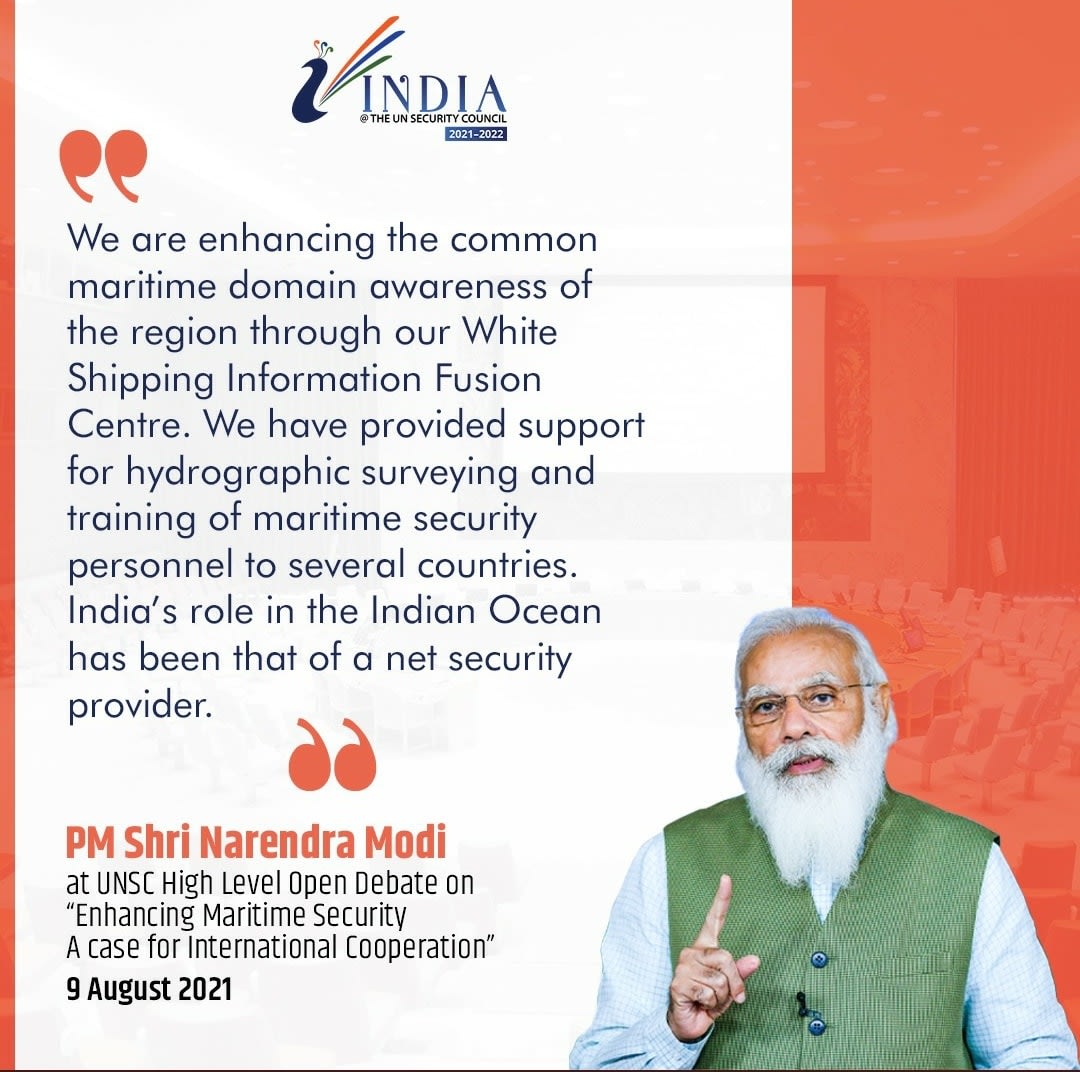
At the recent BRICS Business Forum, Prime Minister Narendra Modi underscored that freedom of navigation and the safety of seafarers are not merely maritime concerns but foundational elements of the world’s economic engine. In a climate where geopolitical friction, climate‑driven disruptions, and cyber‑threats increasingly imperil sea lanes, the Indian Prime Minister’s remarks resonated far beyond the conference hall, echoing across ports, shipping corridors, and boardrooms worldwide.
Why the Sea Routes Matter
- 75% of global trade moves by sea, carrying everything from crude oil to consumer electronics.
- The Indian Ocean—a strategic crossroads for China’s Belt‑and‑Road Initiative, Europe’s energy imports, and India’s own trade—hosts some of the world’s busiest chokepoints: the Strait of Malacca, Bab el‑Mandeb, and the Suez Canal.
- Any interruption—whether from piracy, naval blockades, or extreme weather—has a cascading effect on supply‑chain costs, inflation, and geopolitical stability.
Modi’s Core Message
During his address, Modi highlighted three interlinked imperatives:
- Unimpeded Navigation – Nations must uphold the United Nations Convention on the Law of the Sea (UNCLOS) and resist unilateral attempts to militarise or close strategic waterways.
- Seafarer Welfare – The human element of shipping cannot be ignored. Adequate training, mental‑health support, and safe working conditions are essential for a resilient fleet.
- Collaborative Governance – Multilateral platforms like BRICS, the International Maritime Organization (IMO), and regional coalitions should spearhead joint monitoring, rapid‑response mechanisms, and technology sharing.
"When ships sail safely, markets stay stable; when they are blocked, economies stumble," Modi asserted, linking maritime security directly to the health of the global GDP.
The Geopolitical Backdrop
Rising Tensions in the Indo‑Pacific
- China’s naval expansion in the South China Sea has raised alarms about freedom of navigation. Recent incidents of “grey‑zone” tactics—harassment of commercial vessels and the use of coast‑guard vessels to assert claims—underscore the fragility of the status quo.
- India’s strategic response includes the Sagar Shakti initiative, aimed at boosting indigenous shipbuilding, enhancing coastal surveillance, and forging deeper maritime ties with fellow BRICS members.
Climate Change and Maritime Risks
- Rising sea levels and intensified cyclones threaten port infrastructure across the Indian Ocean rim. The 2023 cyclones in the Bay of Bengal caused unprecedented port closures, highlighting the need for climate‑resilient logistics.
- Arctic melt opens new routes, but also introduces competition for traditional lanes, prompting a re‑evaluation of global shipping patterns.
Economic Implications
- Cost of Disruption: A single day of blockage at the Suez Canal can add $9‑10 billion to global trade costs. Similar disruptions in the Malacca Strait would have comparable ripple effects.
- Insurance Premiums: Heightened risk perception drives up marine insurance rates, which are ultimately passed onto consumers.
- Investment Shifts: Nations and corporations are now prioritising port diversification, digital twins of supply chains, and autonomous vessel technology to mitigate risk.
Actionable Takeaways for Stakeholders
- Policymakers should push for a binding international framework that criminalises attacks on commercial shipping and mandates rapid diplomatic de‑escalation.
- Shipping Companies need to adopt crew‑wellness programs, invest in advanced navigation systems, and explore green‑fuel options that reduce environmental footprints.
- Technology Providers can accelerate the rollout of satellite‑based AIS (Automatic Identification System) and AI‑driven predictive analytics to anticipate and avoid hotspots.
- Investors should monitor maritime‑security ETFs and consider exposure to port‑infrastructure funds that are upgrading resilience.
Conclusion
Prime Minister Narendra Modi’s call to safeguard navigation freedoms and seafarer safety is a timely reminder that the oceans are the arteries of the global economy. As geopolitical rivalries sharpen and climate volatility escalates, a collaborative, multilateral approach—anchored in technology, human‑centred policies, and respect for international law—will be essential to keep the world’s trade vessels moving smoothly. The BRICS Business Forum, with its diverse membership, offers a promising platform to translate rhetoric into concrete, coordinated action.
For businesses, governments, and citizens alike, the message is clear: protect the seas, protect the economy.
Original Reporting & Source: India Today Top Stories

Discussion (0)
Sign in to join the discussion.
No comments yet. Be the first to start the conversation!