Umang Sisodia • • 4 min read • 5 views

25 Years On: America Remembers 9/11 Amid Reflection and Political Rhetoric
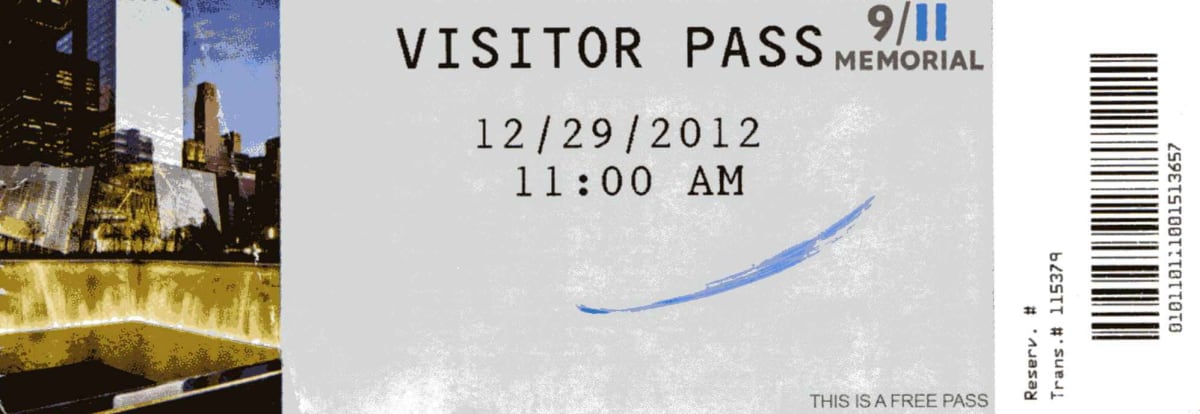
25 Years On: America Remembers 9/11 Amid Reflection and Political Rhetoric

Remembering a Day That Redefined a Nation

On September 11, 2001, a coordinated terrorist attack on the World Trade Center, the Pentagon, and Flight 93 shocked the United States and the world. Twenty‑five years later, the memory of that morning is still vivid, not only in the scars that remain on the New York skyline but also in the collective consciousness of a nation that has spent a quarter‑century grappling with its aftermath.


A Nation in Mourning

  • Human cost: 2,977 lives were lost, including first‑responders who rushed into danger.
  • Immediate response: A massive rescue and recovery effort that lasted months, turning the site into a symbol of resilience.
  • Cultural impact: Music, literature, and film have chronicled the tragedy, ensuring that each generation confronts its meaning.

The annual remembrance ceremonies have become a ritual of grief, gratitude, and resolve. Families of victims, veterans, and ordinary citizens gather at the National September 11 Memorial & Museum in Lower Manhattan, laying flowers, lighting candles, and reading names etched into the twin reflecting pools.


The 2024 Commemoration

The 25th‑anniversary events were marked by a blend of solemnity and forward‑looking optimism:

  • Moments of silence were observed nationwide at 8:46 a.m., the exact time the first tower was struck.
  • Live‑streamed tributes from the memorial allowed millions who could not travel to participate.
  • Youth involvement: Schools across the country organized educational programs, encouraging students to interview survivors and write personal reflections.
  • Art installations: A temporary light sculpture titled “Echoes of Hope” illuminated the plaza, symbolizing the enduring spirit of those who perished.

These elements underscored a key theme: while the pain of 9/11 remains, America continues to seek meaning and purpose from the tragedy.


Politics Meets Memory

The anniversary also became a stage for political messaging. Former President Donald Trump delivered a televised address that linked the memory of 9/11 to contemporary foreign‑policy debates, particularly his administration’s stance toward Iran. Critics argued that invoking the attacks to justify military action risked politicising a day of collective mourning.

  • Key quote: “We will never forget, and we will never allow those who threaten our freedom to go unpunished.”
  • Public reaction: While some praised the firm stance, many families of victims expressed discomfort, emphasizing that the day should remain a moment of unity rather than division.
  • Bipartisan reflections: Senators from both parties visited the memorial, sharing personal stories and urging a focus on domestic resilience—healthcare, infrastructure, and community preparedness.

The juxtaposition of remembrance and political rhetoric sparked a broader conversation about how national tragedies are employed in policy discourse.


Lessons and the Road Ahead

  1. Security evolution: The creation of the Department of Homeland Security and sweeping aviation reforms illustrate how 9/11 reshaped the nation’s security architecture.
  2. Community resilience: Grassroots initiatives, from mental‑health support groups to disaster‑response training, have flourished in the wake of the attacks.
  3. Global solidarity: Over 100 countries observed moments of silence, highlighting the international impact of the event.
  4. Historical stewardship: The museum’s new exhibit, “From the Ashes,” uses augmented reality to let visitors experience the skyline before the towers fell, ensuring that future generations understand the scale of loss.

As the United States looks beyond the quarter‑century mark, the challenge remains to honour the past while forging a future built on empathy, vigilance, and shared purpose.


Takeaway: The 25th anniversary of September 11 serves as both a solemn reminder of a day that altered the course of history and a mirror reflecting how a nation chooses to remember, heal, and, at times, politicise its most painful chapters.


Original Reporting & Source: Reuters

Discussion (0)

Sign in to join the discussion.

No comments yet. Be the first to start the conversation!

| |

25 Years On: America Remembers 9/11 Amid Reflection and Political Rhetoric

By Umang Sisodia • 4 min read • 5 views

Remembering a Day That Redefined a Nation

On September 11, 2001, a coordinated terrorist attack on the World Trade Center, the Pentagon, and Flight 93 shocked the United States and the world. Twenty‑five years later, the memory of that morning is still vivid, not only in the scars that remain on the New York skyline but also in the collective consciousness of a nation that has spent a quarter‑century grappling with its aftermath.


A Nation in Mourning

  • Human cost: 2,977 lives were lost, including first‑responders who rushed into danger.
  • Immediate response: A massive rescue and recovery effort that lasted months, turning the site into a symbol of resilience.
  • Cultural impact: Music, literature, and film have chronicled the tragedy, ensuring that each generation confronts its meaning.

The annual remembrance ceremonies have become a ritual of grief, gratitude, and resolve. Families of victims, veterans, and ordinary citizens gather at the National September 11 Memorial & Museum in Lower Manhattan, laying flowers, lighting candles, and reading names etched into the twin reflecting pools.


The 2024 Commemoration

The 25th‑anniversary events were marked by a blend of solemnity and forward‑looking optimism:

  • Moments of silence were observed nationwide at 8:46 a.m., the exact time the first tower was struck.
  • Live‑streamed tributes from the memorial allowed millions who could not travel to participate.
  • Youth involvement: Schools across the country organized educational programs, encouraging students to interview survivors and write personal reflections.
  • Art installations: A temporary light sculpture titled “Echoes of Hope” illuminated the plaza, symbolizing the enduring spirit of those who perished.

These elements underscored a key theme: while the pain of 9/11 remains, America continues to seek meaning and purpose from the tragedy.


Politics Meets Memory

The anniversary also became a stage for political messaging. Former President Donald Trump delivered a televised address that linked the memory of 9/11 to contemporary foreign‑policy debates, particularly his administration’s stance toward Iran. Critics argued that invoking the attacks to justify military action risked politicising a day of collective mourning.

  • Key quote: “We will never forget, and we will never allow those who threaten our freedom to go unpunished.”
  • Public reaction: While some praised the firm stance, many families of victims expressed discomfort, emphasizing that the day should remain a moment of unity rather than division.
  • Bipartisan reflections: Senators from both parties visited the memorial, sharing personal stories and urging a focus on domestic resilience—healthcare, infrastructure, and community preparedness.

The juxtaposition of remembrance and political rhetoric sparked a broader conversation about how national tragedies are employed in policy discourse.


Lessons and the Road Ahead

  1. Security evolution: The creation of the Department of Homeland Security and sweeping aviation reforms illustrate how 9/11 reshaped the nation’s security architecture.
  2. Community resilience: Grassroots initiatives, from mental‑health support groups to disaster‑response training, have flourished in the wake of the attacks.
  3. Global solidarity: Over 100 countries observed moments of silence, highlighting the international impact of the event.
  4. Historical stewardship: The museum’s new exhibit, “From the Ashes,” uses augmented reality to let visitors experience the skyline before the towers fell, ensuring that future generations understand the scale of loss.

As the United States looks beyond the quarter‑century mark, the challenge remains to honour the past while forging a future built on empathy, vigilance, and shared purpose.


Takeaway: The 25th anniversary of September 11 serves as both a solemn reminder of a day that altered the course of history and a mirror reflecting how a nation chooses to remember, heal, and, at times, politicise its most painful chapters.


Original Reporting & Source: Reuters