Umang Sisodia • • 3 min read • 5 views
China Urges India to Manage Differences Ahead of Modi‑Xi BRICS Dialogue
Setting the Stage
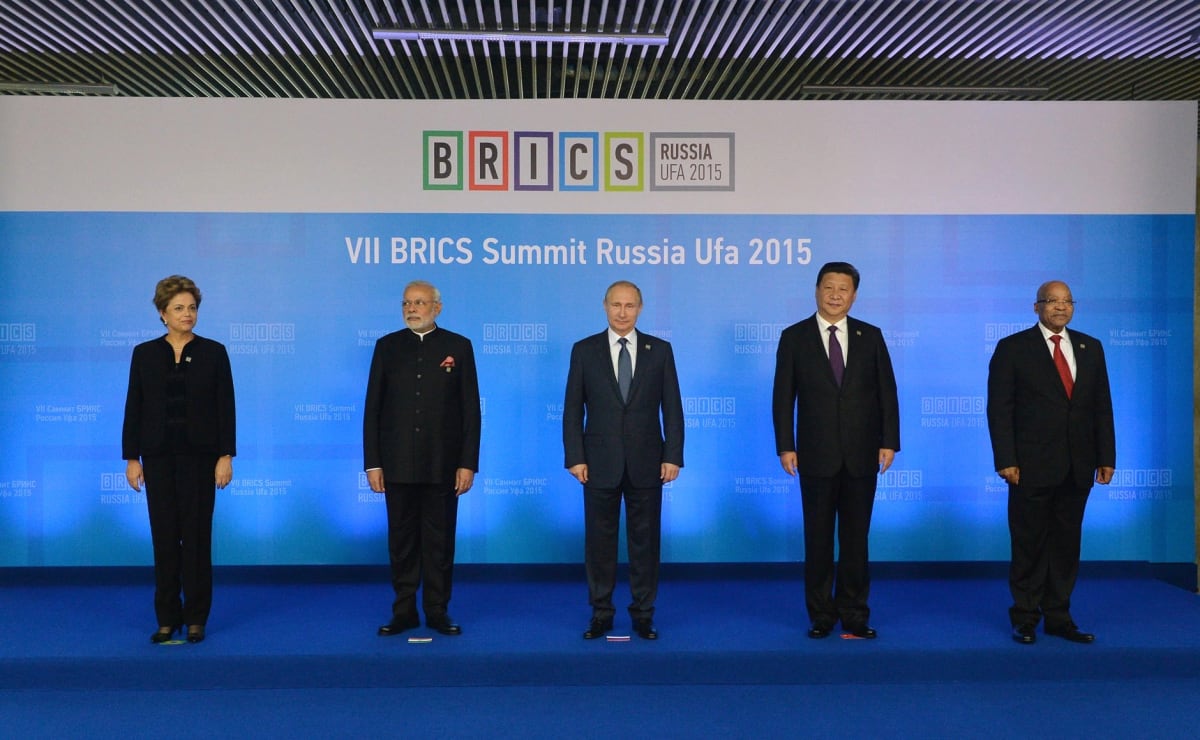
The upcoming BRICS summit has become a diplomatic crucible for two of the world’s most populous democracies – India and China. As Prime Minister Narendra Modi prepares to meet President Xi Jinping, Beijing has issued a subtle yet firm reminder: handle bilateral differences responsibly and preserve the spirit of friendship.
Historical Backdrop
- Border tensions: Since the 2020 Galwan Valley clash, the India‑China border has remained a flashpoint, with intermittent disengagement talks yielding limited progress.
- Trade ties: Despite political friction, bilateral trade crossed the $100 billion mark in 2023, making China India’s largest trading partner.
- Multilateral platforms: Both nations have leveraged forums like SCO, G20, and now BRICS to balance rivalry with cooperation.
Why BRICS Matters Now
The BRICS grouping – Brazil, Russia, India, China, South Africa – is evolving from a coalition of emerging economies into a platform that challenges the Western‑led order. For India, the summit offers a stage to showcase its global ambitions; for China, it is an arena to reaffirm its leadership among the Global South.
Strategic Stakes
- Geopolitical signaling: A cordial Modi‑Xi interaction would signal stability in Asia, reassuring markets and investors.
- Economic agenda: Discussions on the New Development Bank, digital currency cooperation, and climate finance are on the docket.
- Security calculus: Both leaders will likely touch on the Indo‑Pacific dynamics, including the role of the United States and the Quad.
China’s Diplomatic Overture
In a statement released ahead of the summit, China’s Foreign Ministry emphasized the need to “properly handle differences and be friends.” The language mirrors Beijing’s long‑standing diplomatic playbook: acknowledge disputes without allowing them to dominate the agenda.
Key points of the overture:
- Respect for sovereignty: Reiterating that each nation should respect the other's core interests.
- People‑to‑people ties: Highlighting cultural exchanges, student programs, and tourism as confidence‑building measures.
- Economic interdependence: Encouraging continued trade growth while urging resolution of non‑tariff barriers.
What to Watch During the Talks
- Opening remarks – Look for nuanced language that balances firmness on territorial integrity with openness to dialogue.
- Joint communique – Any reference to “peaceful coexistence” or “mutual respect” will be a barometer of success.
- Side meetings – Bilateral sessions on border disengagement protocols could signal a breakthrough.
- Post‑summit actions – Follow‑up mechanisms, such as a joint working group, will indicate the durability of any agreements.
Takeaways for Readers
- The BRICS summit is more than a ceremonial gathering; it is a strategic platform where India and China can test the limits of their rivalry.
- Beijing’s call for friendship is a diplomatic lever aimed at preventing the summit from becoming a stage for overt confrontation.
- How Modi and Xi navigate this encounter will shape not only bilateral ties but also the broader balance of power in the Indo‑Pacific.
Bottom line: While historical grievances linger, the BRICS arena offers a rare opportunity for the two giants to reset the tone of their relationship, with the world watching closely for any signs of rapprochement.
Original Reporting & Source: India Today Top Stories

Discussion (0)
Sign in to join the discussion.
No comments yet. Be the first to start the conversation!