Umang Sisodia • • 3 min read • 11 views
When AI Overuses Dashes: A Call for Smarter Punctuation in Machine‑Written Content
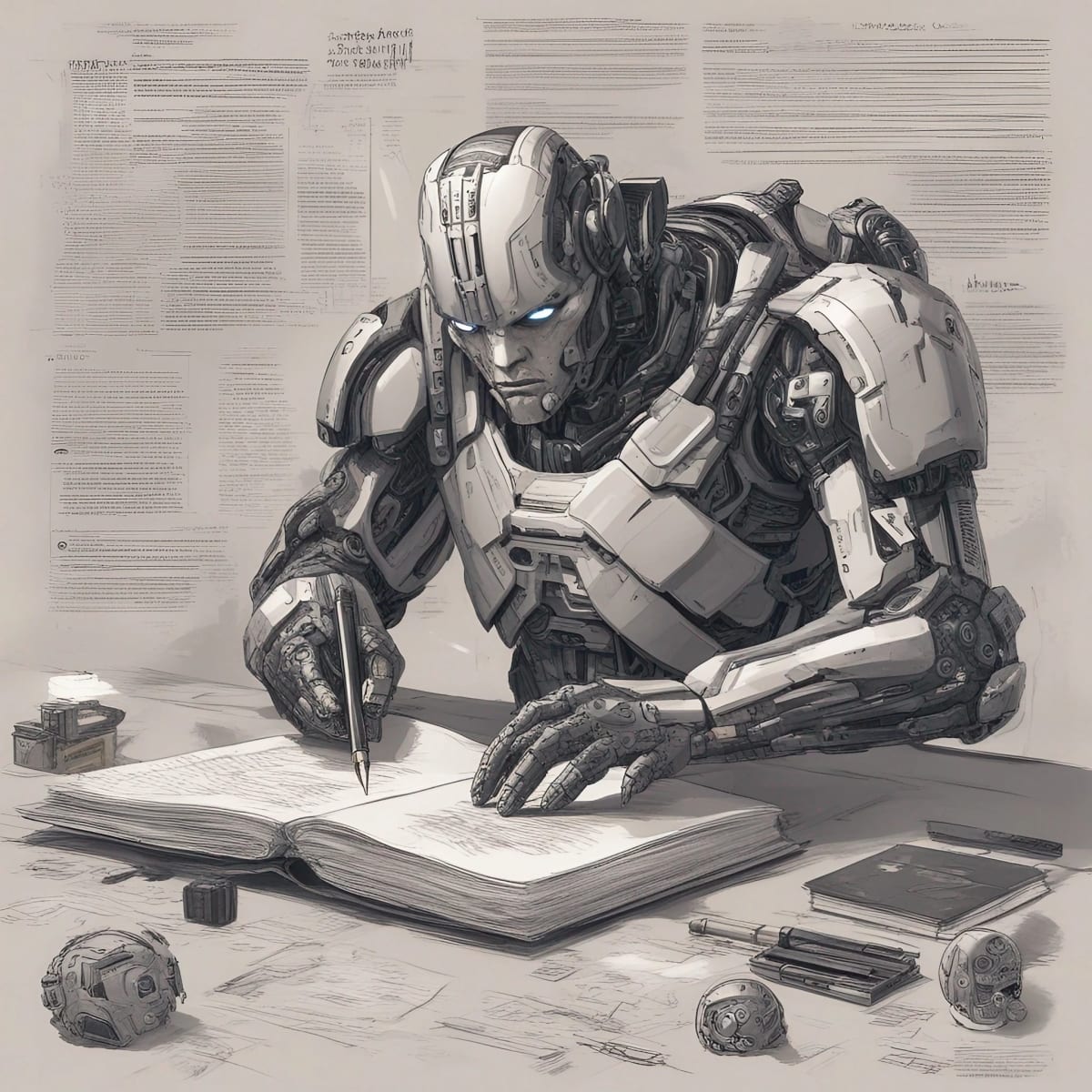
The Rise of AI‑Generated Text
Artificial intelligence has moved from a niche research topic to a daily tool for journalists, marketers, and students. Platforms like ChatGPT, Claude, and Gemini can spin out articles, reports, and social‑media posts in seconds. The convenience is undeniable, but the rapid adoption has surfaced a quirky yet telling symptom: AI’s rash of dashes.
The Dash Dilemma
A recent letter to the Financial Times highlighted a growing frustration among editors—AI‑generated prose is peppered with em‑dashes (—) and en‑dashes (–) in places where a simple comma or period would suffice. The writer described the experience as "horror": long sentences broken by a cascade of dashes that disrupt flow, obscure meaning, and force human editors to spend extra time cleaning up the copy.
Why Do AIs Favor Dashes?
- Training Data Bias – Large language models ingest billions of web pages, many of which are stylized blog posts or opinion pieces that over‑use dashes for dramatic effect.
- Token Efficiency – In some tokenisation schemes, a dash can serve as a convenient separator, helping the model predict the next word without committing to a full stop.
- Mimicking Human Voice – Dashes are often associated with a conversational, informal tone. AI, aiming to sound natural, may over‑apply them to emulate that style.
Why Punctuation Matters
Punctuation is not just decorative; it guides the reader’s rhythm and comprehension. Over‑punctuation, especially with dashes, can:
- Interrupt Cognitive Flow – Readers pause at each dash, breaking immersion.
- Obscure Hierarchy – Dashes can blur the relationship between clauses, making arguments harder to follow.
- Increase Editorial Load – Human editors must manually replace or remove unnecessary dashes, negating AI’s promised efficiency.
Towards Smarter AI Editing
The solution is two‑fold:
- Fine‑Tuning Models – Developers should re‑train or adjust models with curated datasets that respect conventional punctuation rules.
- Post‑Generation Filters – Integrate smart proofreading tools that detect over‑use of dashes and suggest alternatives before the content reaches a human editor.
A Practical Checklist for Editors
- Scan for Dashes – Use a simple find‑replace (
—or–) to see how many appear per 1,000 words. - Read Aloud – Listening to the text often reveals unnatural pauses caused by excess dashes.
- Leverage AI‑Assisted Proofreaders – Tools like Grammarly or Hemingway can flag punctuation over‑use, providing quick fixes.
The Bigger Picture
The dash issue is a microcosm of a larger conversation about AI’s role in content creation. As machines become co‑authors, we must define clear standards for style, tone, and readability. The goal isn’t to eliminate AI’s creativity but to harness it responsibly, ensuring that the final product serves the reader—not the algorithm.
Takeaway: While AI can accelerate writing, unchecked stylistic quirks like a dash‑heavy prose can erode the very efficiency it promises. By refining models and employing robust editorial checks, we can keep AI’s speed without sacrificing clarity.
Original Reporting & Source: Financial Times

Discussion (0)
Sign in to join the discussion.
No comments yet. Be the first to start the conversation!